Cartagena — July 26, 2023
I cheat. I skip Central America and fly straight from Fort Lauderdale to Cartagena, using the crushing heat of July as an excuse, and the promise of South America’s mountains to cool down.
From cruising altitude, the Caribbean islands look scattered across a vast blue expanse, calm and docile when viewed from afar. I think I recognize Cuba, if my geographic memory is right—an island I visited a few years ago.
The short one-hour flight will be my only moment of respite. The rest of the time I will be standing up: first at the Spirit counter, where immigration requirements require a manual check of my onward ticket; then at passport control, where too few open booths creates interminable lines.
I decide to take a pre-paid taxi from the airport to avoid waiting the bus under the sun, and arrive at the Viajero hostel in the middle of the chaos of backpackers coming and going. I spend my first night in a dormitory of “coffin beds”: narrow and deep capsule bunks closed with a curtain. There’s no fresh air, but at least I can suffocate in peace.
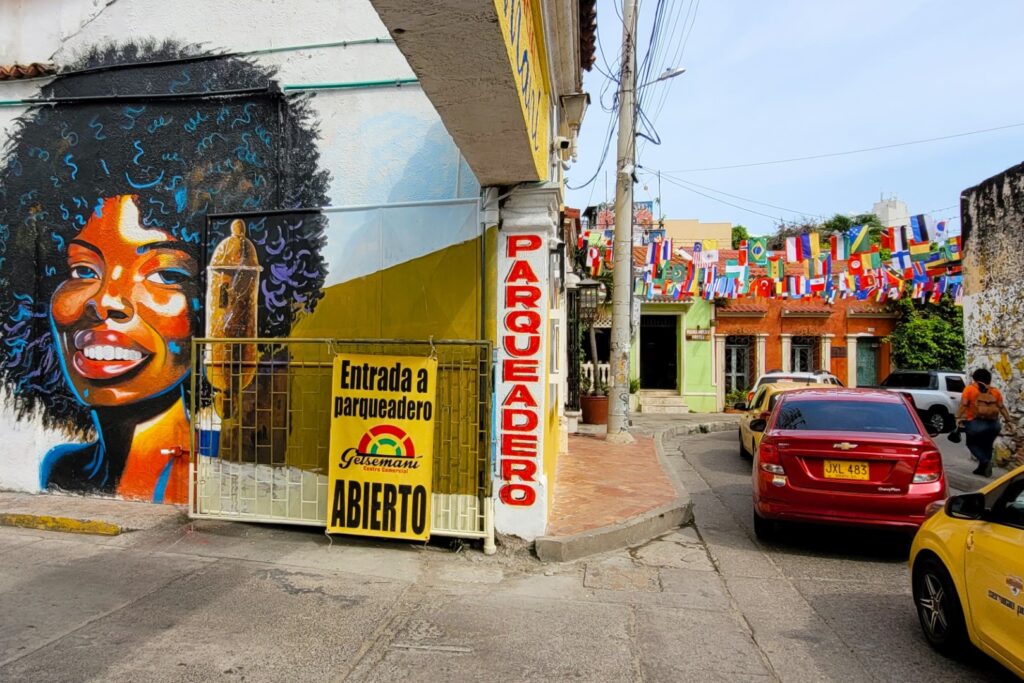
Outside, everything hits at once: the noise of the murals, the sharp smell of gasoline, the incessant roar of motorcycles, the sidewalks far too narrow to escape their path. Clearly, traveling through the United States north to south did nothing to soften the cultural shock.
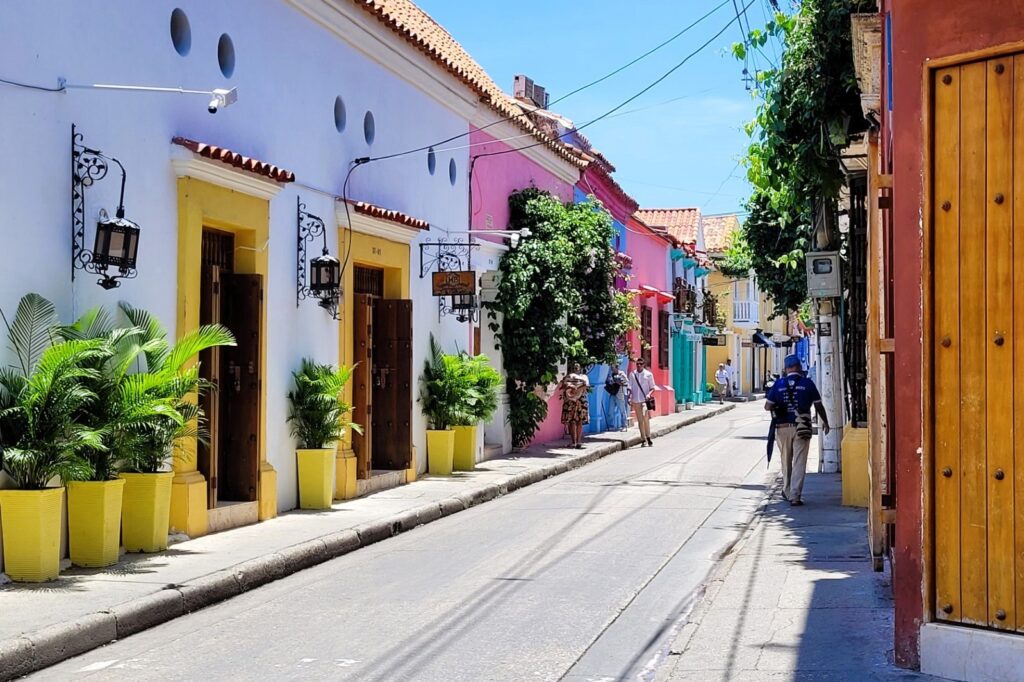
This coastal Colombian city, now home to nearly a million people and built on the site of an ancient Indigenous village, feels like a fusion of the Caribbean and India. Streets are congested, traffic is chaotic, road signg are scarce, infrastructure feels improvised, garbage piles up, and its smell lingers in the heat.
Overcrowded buses, used mostly by working-class locals, push through poorly defined roads, stuck between taxis, cars, and motorcycles. But unlike India, where a light-hearted nonchalance floats in the air, Cartagena feels tense; or perhaps it is simply the fiery energy of Latin culture?
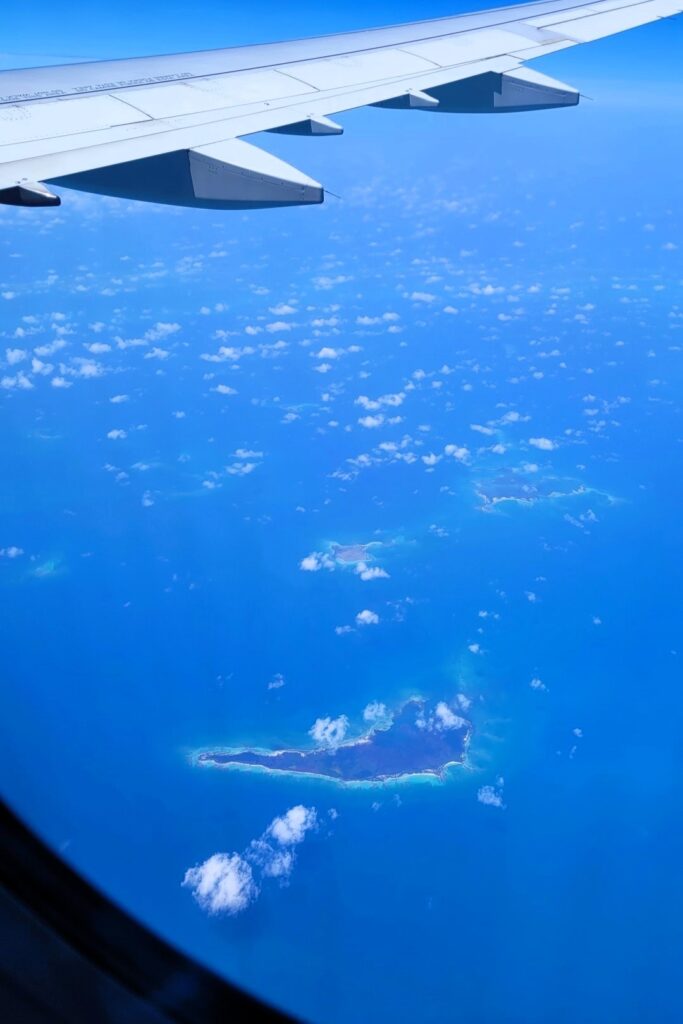
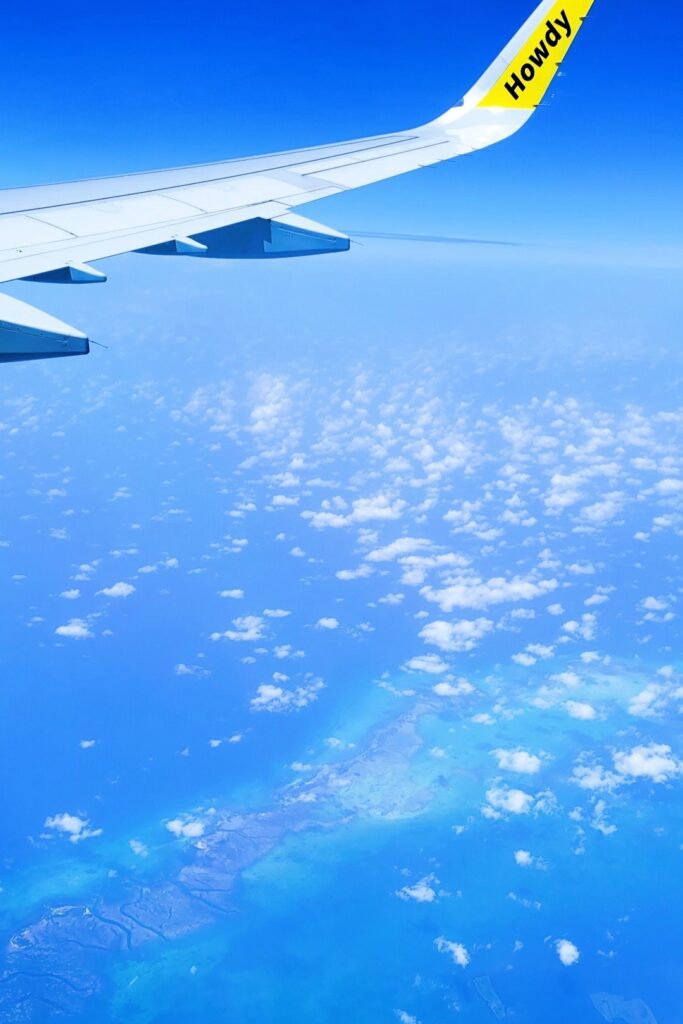
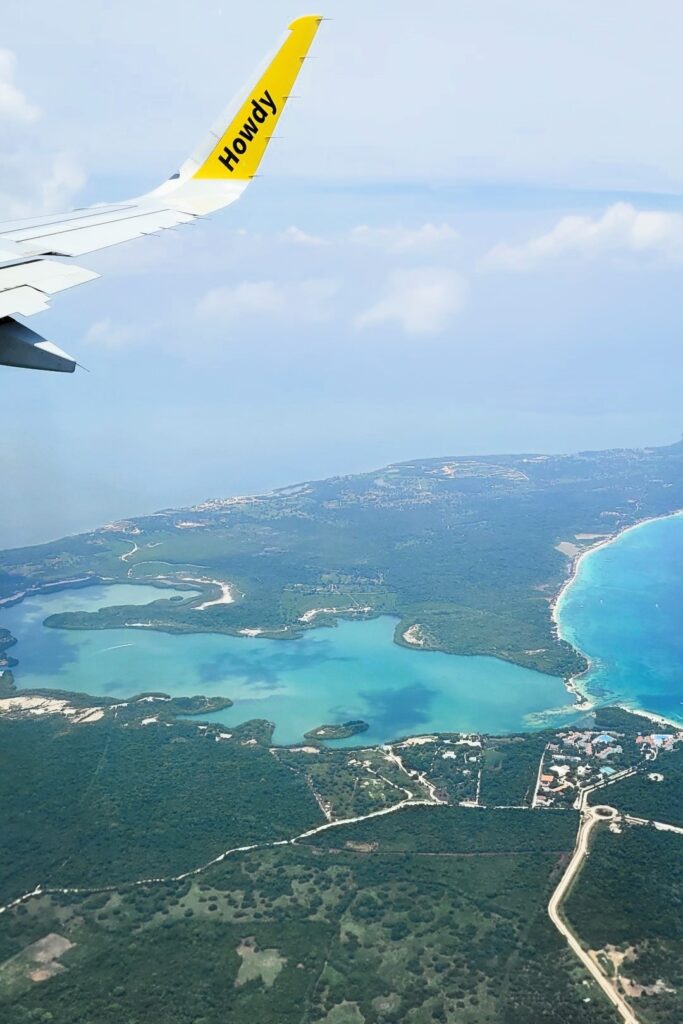
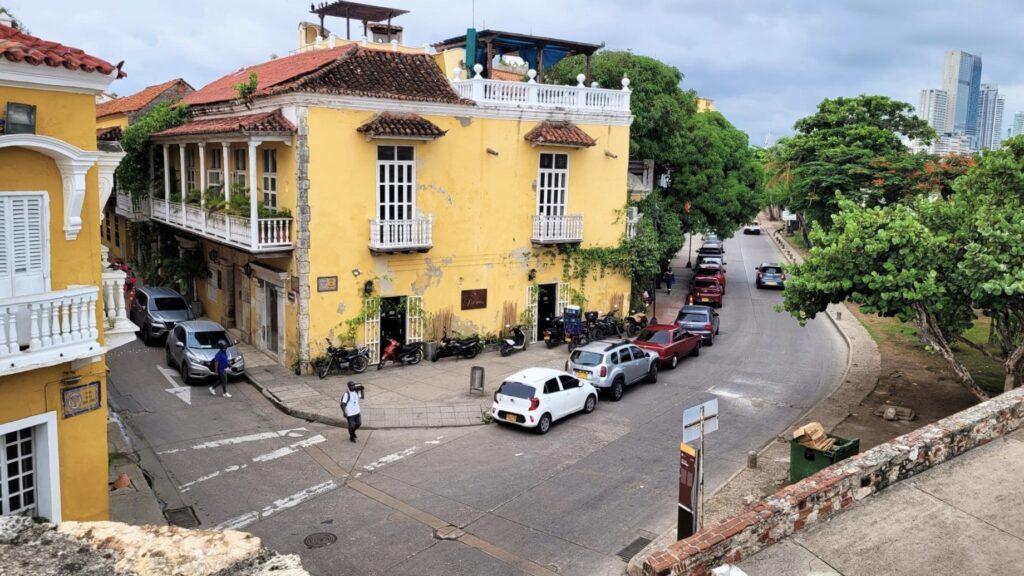
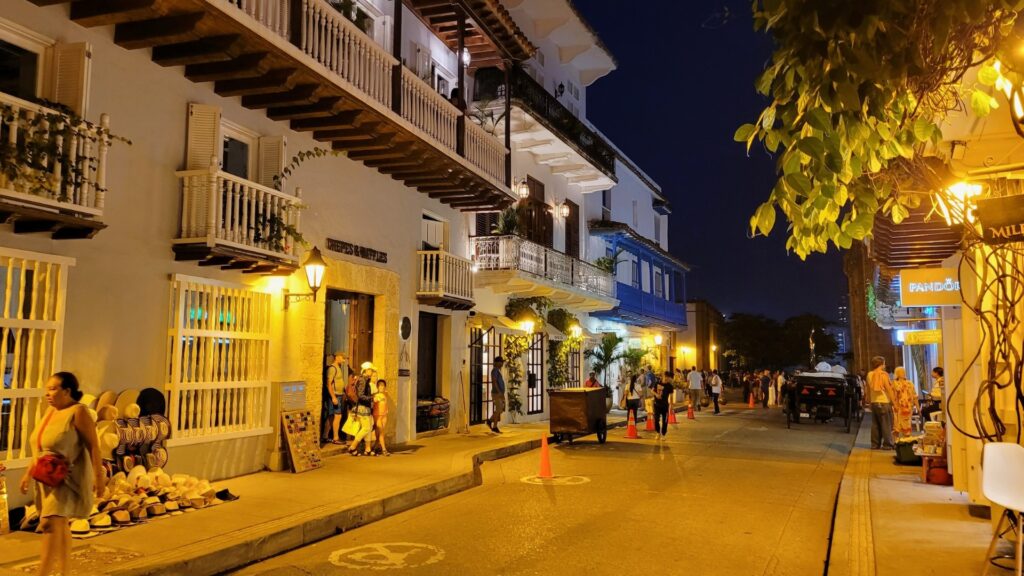
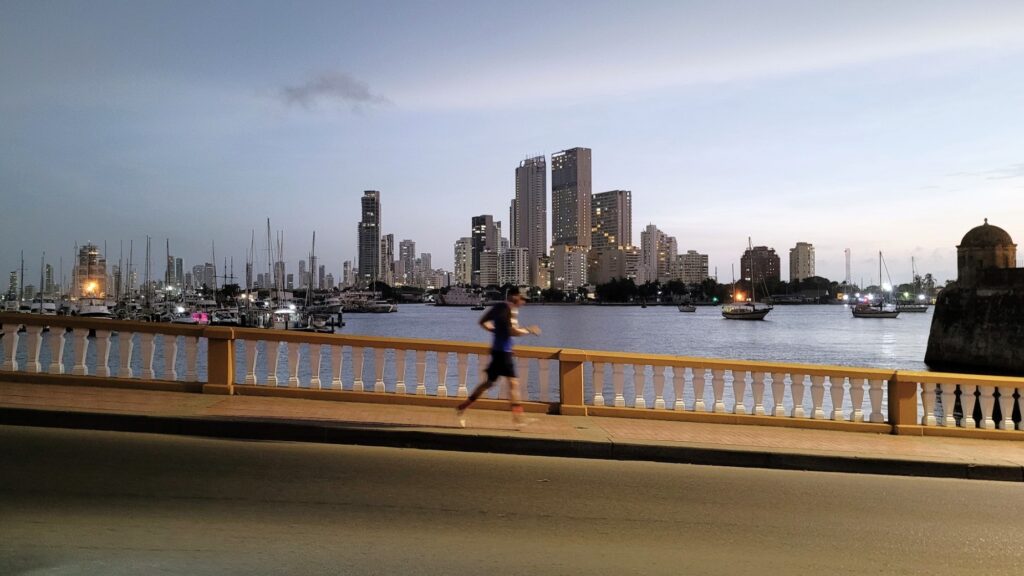
The tropical heat of July, omnipresent and treacherous, crushes everything in its path. Fortunately, a stormy day allows me to appreciate the city without the blazing sun that turns every weathered wall into a blinding white surface. But the glare hides the details. Maybe the true Cartagena, after all, is meant to dazzle rather then reveal itself…
The divide between the tourist city and the rest of the urban sprawl is striking. A five-minute walk and a single bridge are enough to separate two worlds: on one side, the serenity of a hope for renewal; on the other, poverty mixed with ongoing crime.
I realize I’m rusty. Everything requires effort: finding my way around the city, uncovering pleasant places to linger, avoiding tourist traps, recognizing fair prices. Why did my trips to Peru and Cuba felt so effortless? I went there in the full heat of August as well. Was it the two-week vacation limit that kept me in a bubble, or were these countries simply more approachable? The Peruvian Andes and Habana Vieja — I never felt uncomfortable or unsafe there.
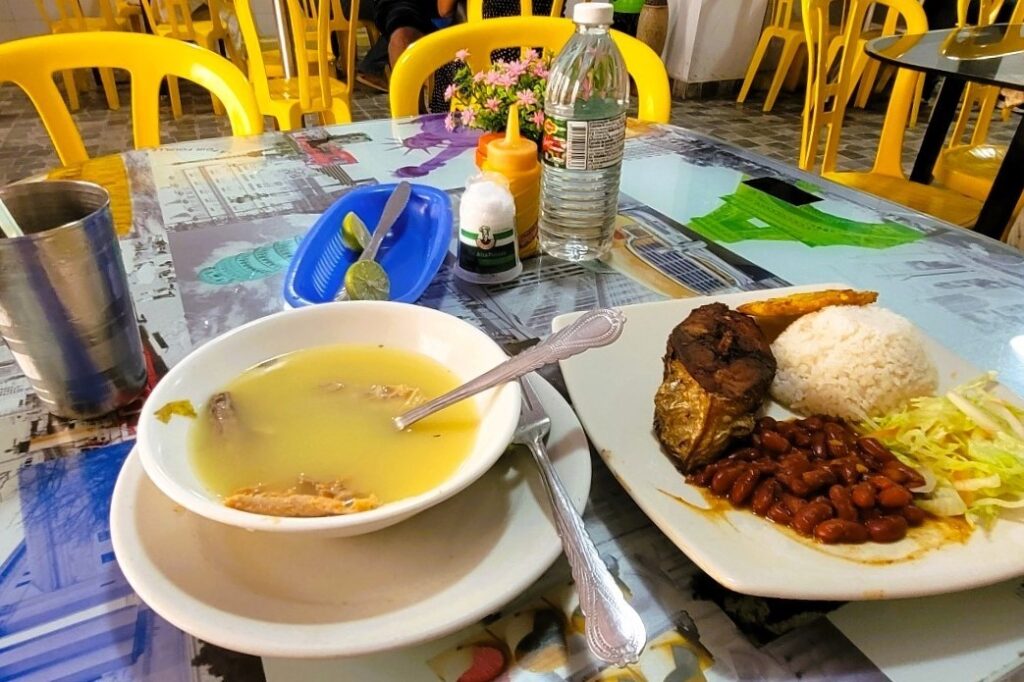
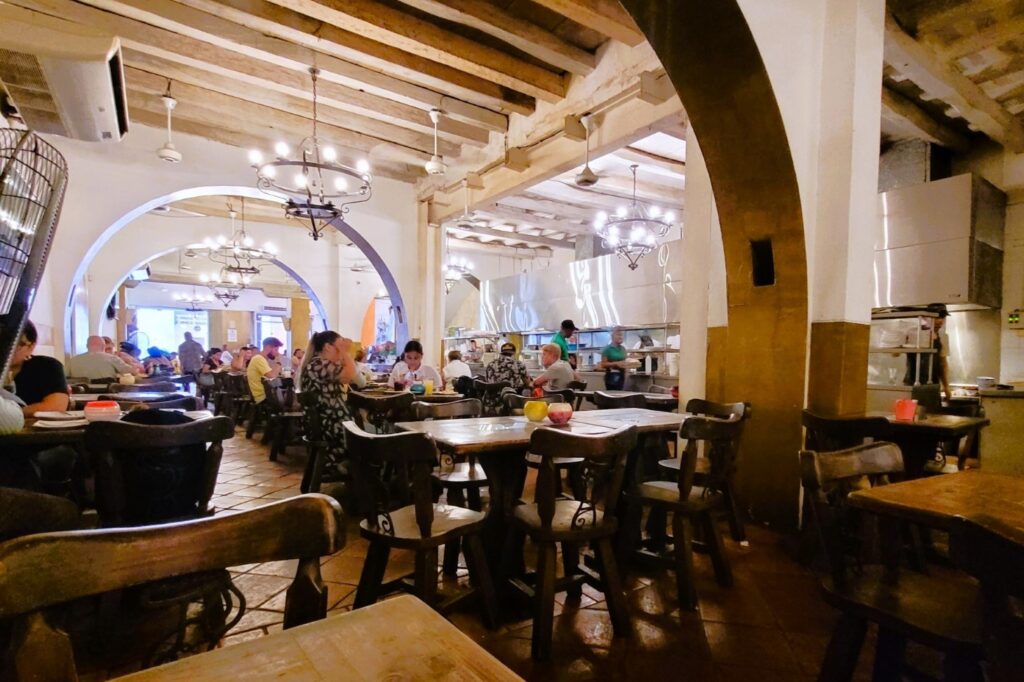
Slice of life
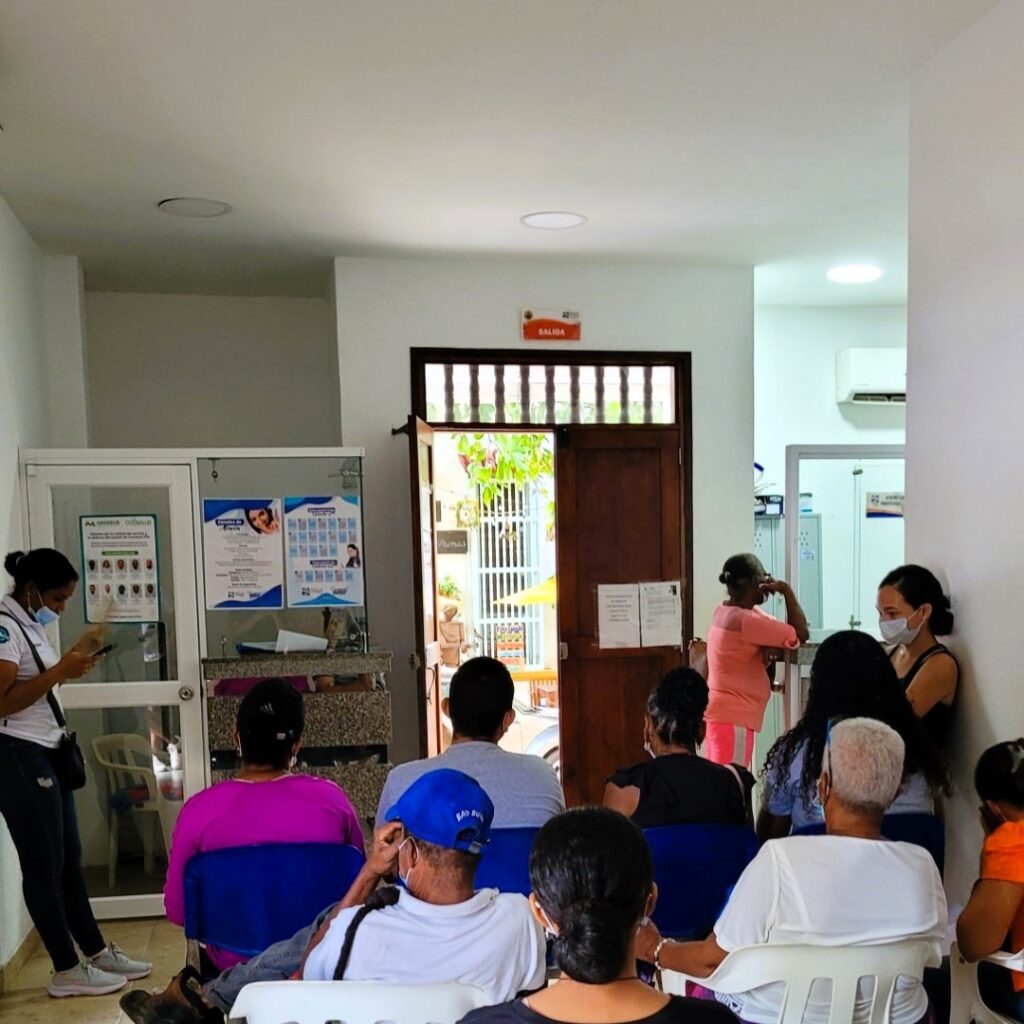
The day after my arrival, I head to the DADIS Health Department to get my yellow fever vaccine. I’m told to arrive before opening time, at 8 a.m. I get there a bit early, wander the street, eat a mango bought from a street vendor for 5,000 pesos, then try to find the correct entrance. Local guards give me confusing directions. With my approximate Spanish, I understand everything in general and nothing in particular.
I manage to get in the part of the hospital, a small crowded room open to the street, and register. I am number 3, which tells me that only two people are ahead of me. What follows is a back-and-forth between the nurse’s office and reception: forms to fill out (status, profession, hotel, passport, philosophy of life, etc.), then returning again for verification. Eventually, I get the injection along with my precious yellow vaccination booklet. I still need to make copies of my passport and the booklet at a kiosk across the street. It’s an adventure, but here the vaccine is free! (the same vaccine costs $200 in Canada, which I still can’t figure out how this work).
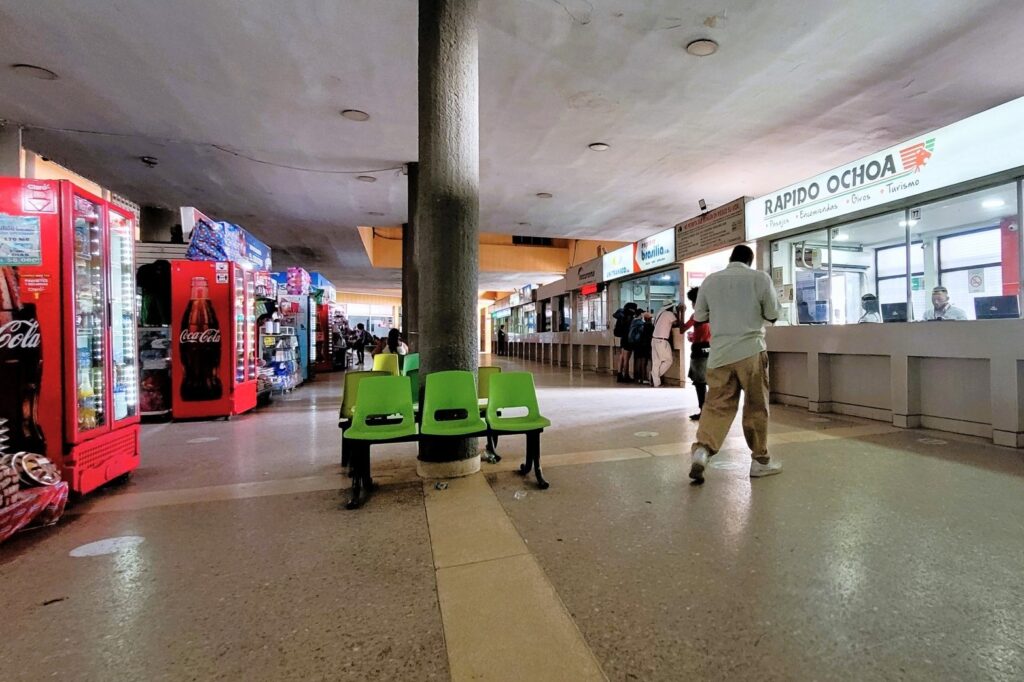
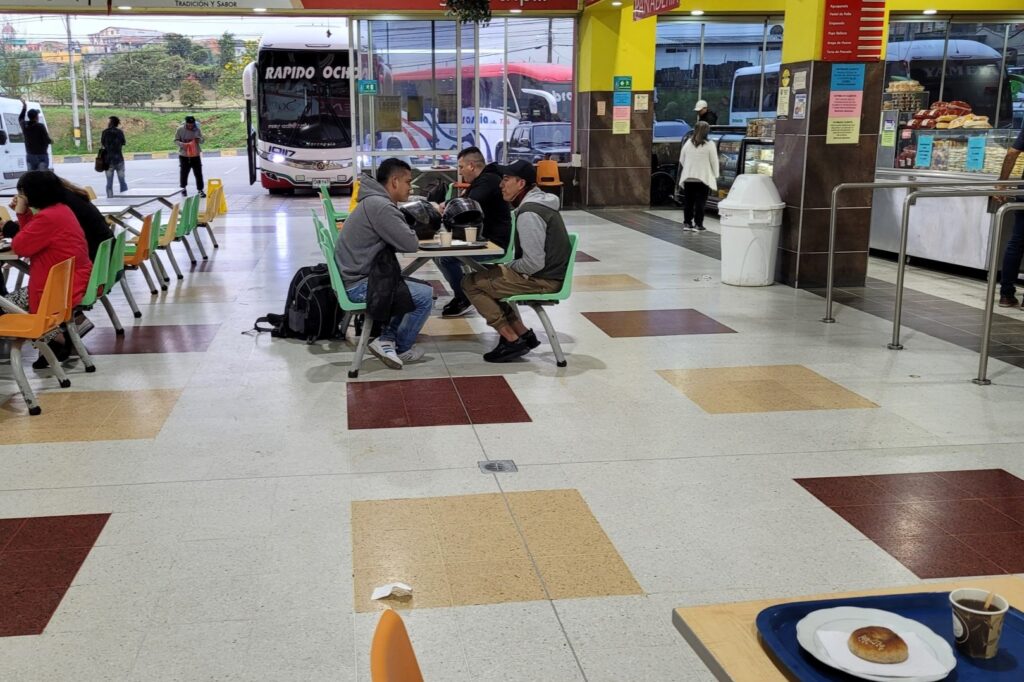
Friday, July 28: my last day in Cartagena. That evening, I take a night bus to Medellín—a 12-hour journey with Rapido Ochoa—at a cost of 135,000 COP (about $44). The bus terminal is an hour from the tourist center and clearly not walkable, so I decide to try the local bus transit. The friendly staff at a small café on Avenida Cartagena explain everything: take the TransCaribe bus line X104 at the Centro station on Avenida Venezuela, all the way to the terminal. The main stations look like above-ground metro stops. Since I don’t have a transit card, the ticket booth clerk asks another passenger to swipe me in with theirs. The buses here are quite decent: air-conditioned, packed even at 3 p.m., but efficient. Cost of the trip: 3,000 pesos, versus 25,000 by taxi. One meal saved.