
From Long-Term Rental to Worldwide Temporary Living
It was shortly after COVID. I had to leave my apartment involuntarily to make room for someone who could pay more.
The rental market sucked. I had to be quick on my feet to secure an apartment I could afford.
So I ended up in a basement.
There are things living in a basement apartment can do to you. The damp, dark, moldy air seems to breed a certain strain of thoughts. I had been working from home for the last six years, and sedentary living was slowly killing me.
One day, my tired eyes looked around my barely furnished, poorly divided double room, and I thought, that’s it. There’s got to be another way to live. If I was going to bore myself working from my boring home, I might as well make the most of it.
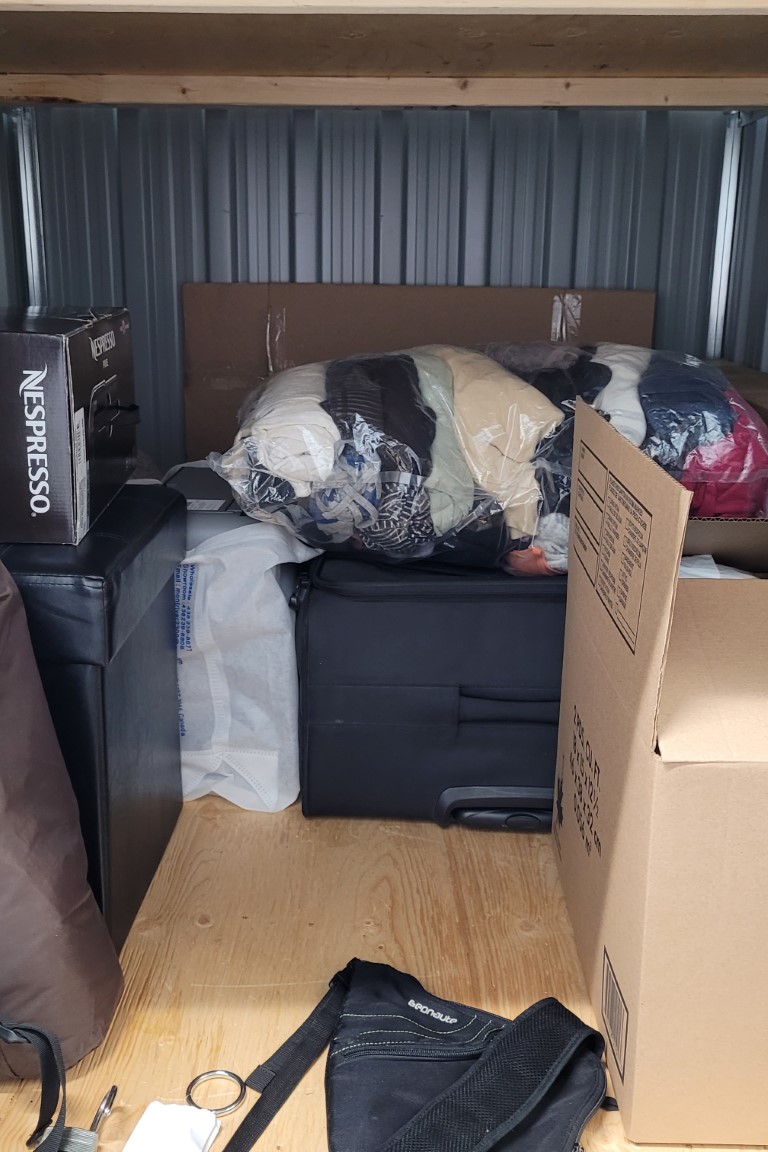
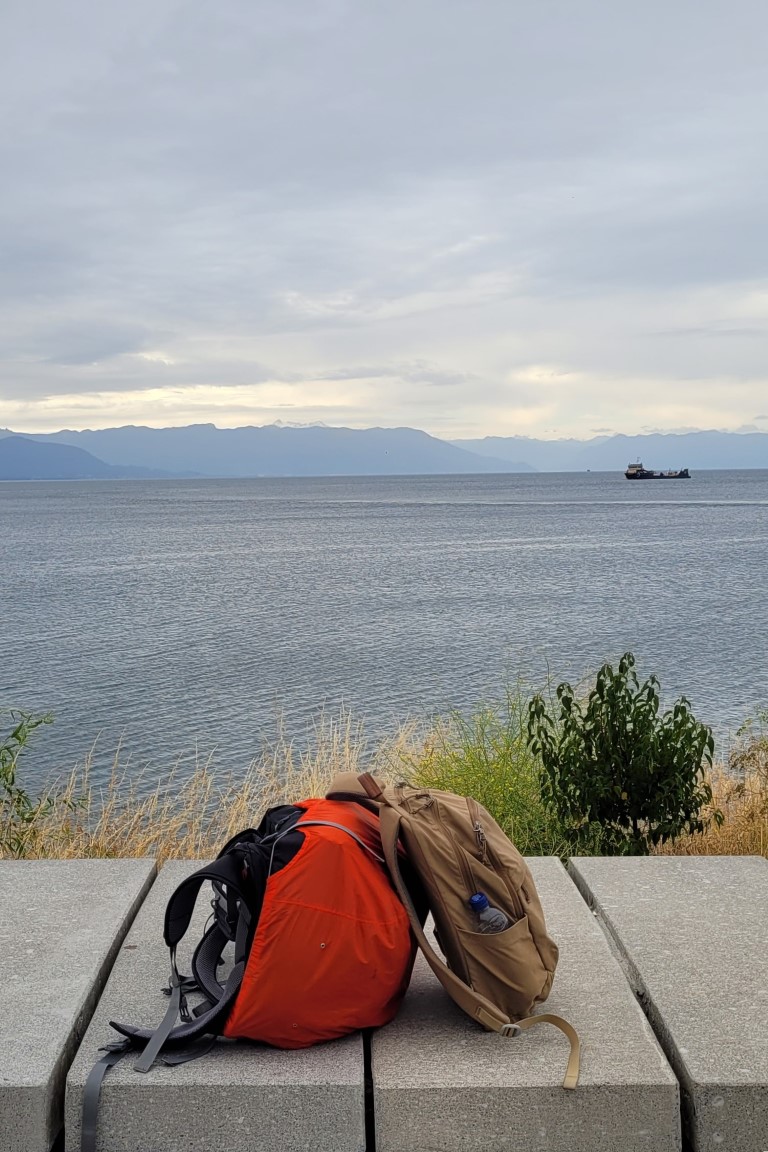
So I sold my plants and my cheap furniture, put the rest into a small storage unit, and set off with two backpacks and a laptop.
I decided I was going to live in a different country every month, travel overland whenever possible, and spend no more than I had been spending living my normal life in Montreal —plane tickets included.
That budget was $2,000 CAD a month. Not precarity, but restricted wealth.
I’ve never been attached to material possessions anyway. They collect dust and occupy space in my mind as well because I have to constantly remember what I own and where it was. I don’t like objects, and objects don’t like me.
My previous life abroad had already forced me to rethink what I took for granted. It reshaped my relationship with comfort, culture, and consumption.
And, I enjoy living frugally. Finding smart ways to save money gives me a dopamine hit. Working longer hours in an office and taking on more responsibilities does not.
So a minimalist lifestyle suited me well.
Flexible living and jet-setting become more and more accessible to anyone willing to spend money wisely. Being paid in Canadian dollars, I could take advantage of the relatively high purchasing power of my currency. I ease my guilt by telling myself I was supporting the local economy.
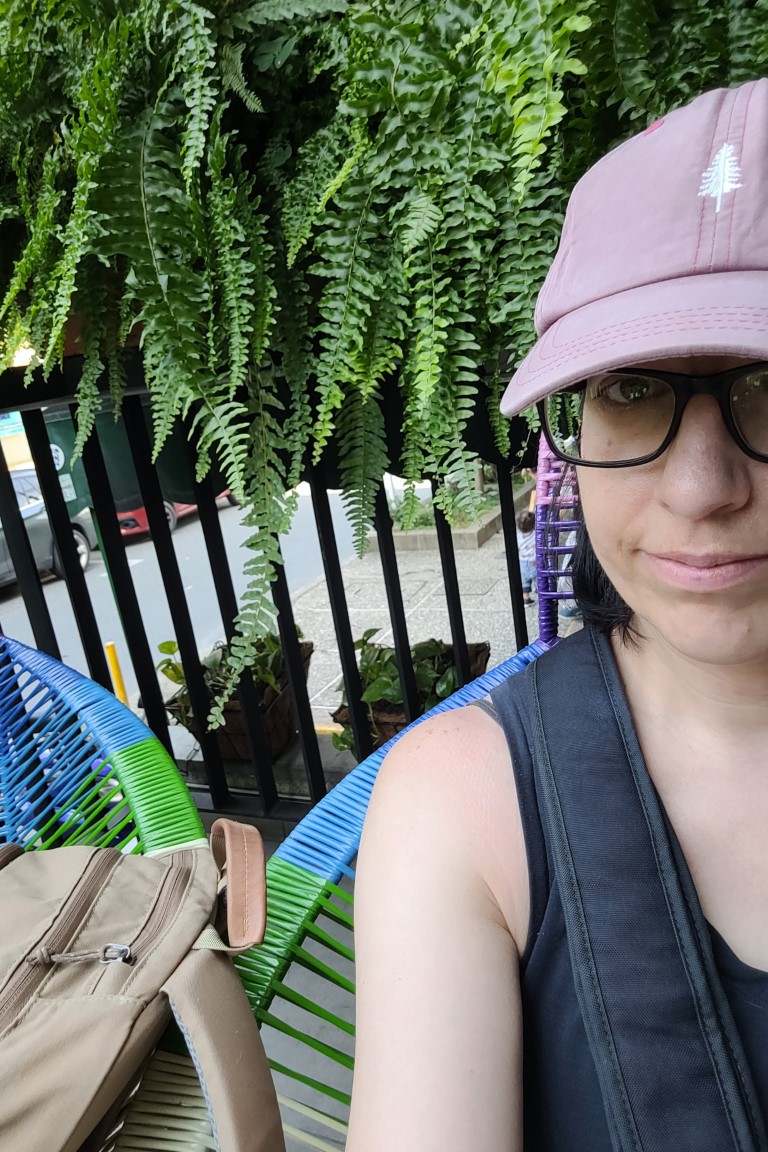
Since I’m flexible, I’ll shake up my living environment. I’ll try countryside houses, high-rise downtown apartments, and busy coliving spaces. I’ll try on different places to see how they fit me.
I’ll abuse temporary rentals like Airbnb.
Although I was against it at first, it offers unmatched convenience and has allowed me to discover parts of countries I would never have considered visiting otherwise.
progress Log
Six Months Later, I’m in a fully equipped studio in Rosario, Argentina. It’s a unique two-story row house tucked away in the courtyard of a high-rise residential building. You’re sheltered from the noise and pollution of the street. I pay just $700 CAD a month, though that’s largely because of Argentina’s unusual economic situation.
One year later, I’m spending less than I did before. I’ve gotten back into shape, I’m sleeping better, and my stress levels have dropped.
I’m spending less than I did before, I’ve gotten back into shape, and I’ve reduced my stress level.
The Upsides
—The nomadic lifestyle satisfies the brain needs for novelty. Novel experiences jolt the brain out of its comfort zone, where it naturally retreats to save energy. Instead of buying new furniture or rearranging my apartment every few months, I simply relocate.
—Changing homes is easy when everything fits into two backpacks. Moving also doubles as a workout.
—I can downsize or splurge depending on my budget or mood. Spend a night in a hostel dorm to get up to date with the backpacking scene, and use the money saved for a nice relaxing hotel room afterward.
—Knowing my stay is temporary makes noisy neighbours or unreliable internet much easier to tolerate.
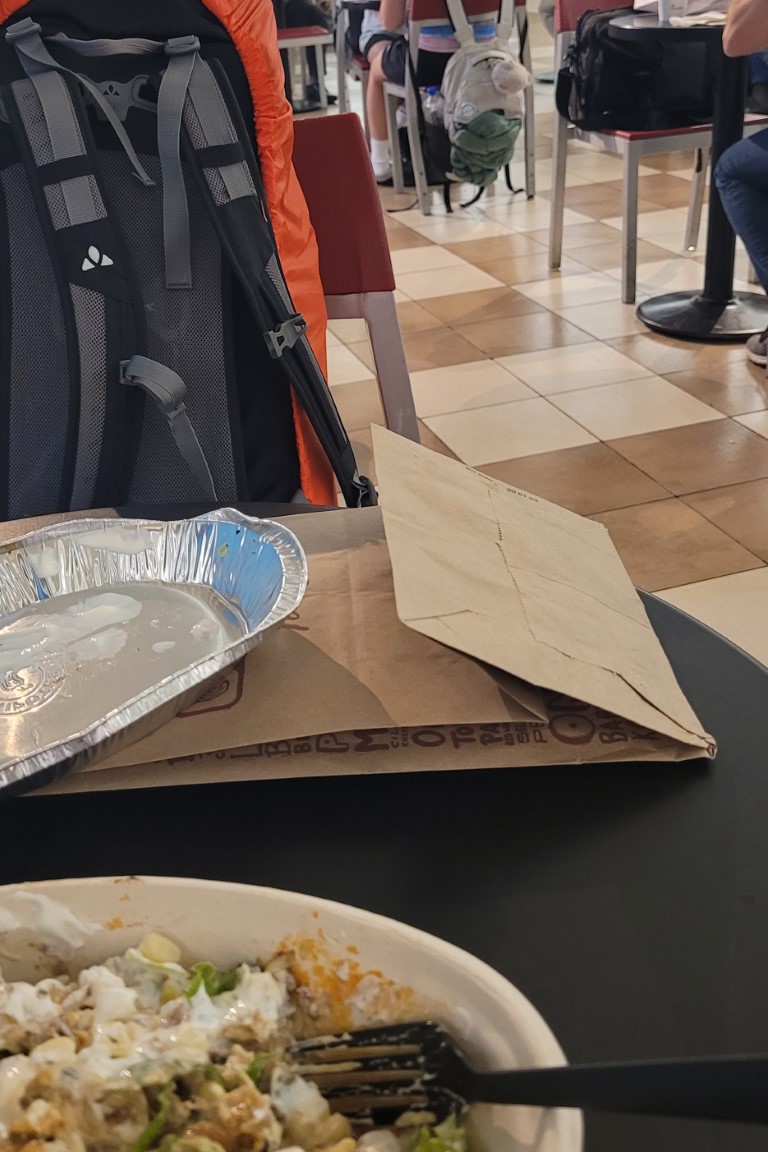
—I also get to spend more time in my favorite places: the places of transition, the non-lieu. Airports, train stations, ferry terminals, and even bus terminals. I become more creative when I’m moving, or when people are moving around me. The stability of continuous change.
The Downsides
—I miss office work for the daily face-to-face interactions with people from different professions. I even miss the friction and the cattiness.
—I have to create those encounters artificially, and it’s not the same. Although meeting fellow travellers in coliving spaces, hostels, or Airbnbs has sometimes led to meaningful conversations, and meeting people is definitely easier while travelling, you still rely on chance. Like-minded people have to arrive in the same place at the same time. And most of the time, they don’t stay long enough to build relationships that survive the distance.
—Too much novelty becomes exhausting. A certain amount of stability is necessary to focus and process all the information you have gathered. Too much nomadism leaves you permanently consuming experiences without enough time to create anything from them.
—My ability to tolerate annoyance has worsened. Every time I encounter something I don’t like, I leave. Will I still be able to push through things I hate ?
—Carrying your belongings everywhere is also draining. I’m continuously working on making my mobility more efficient.
Final thoughts
I’m still trying to understand why the nomadic lifestyle feels so natural to me.
Maybe we haven’t changed much as humans: maybe we’re still restless beings drawn toward new territories. Maybe some of us inherited more of the explorer instinct DNA than others.
Is temporary living becoming the next step after homeownership?
Are we moving away from the permanently rooted lifestyle?
One thing is certain. I’ll never bury myself in a basement again.