One thing was sure: if I was going to visit Paraguay, I had to go to Filadelfia. That strange German town, a dot in the blank space of Google Maps. A place I knew nothing about that began to trigger all kinds of imagery from my unbridled mind. I needed to see it for myself, to confirm it was real and understand how it could even exist.
As I investigated the deeper corners of the web for information, my hopes began to fade. This was not going to be a walk in the park. I had little control over the outcome, but it could have been worse.
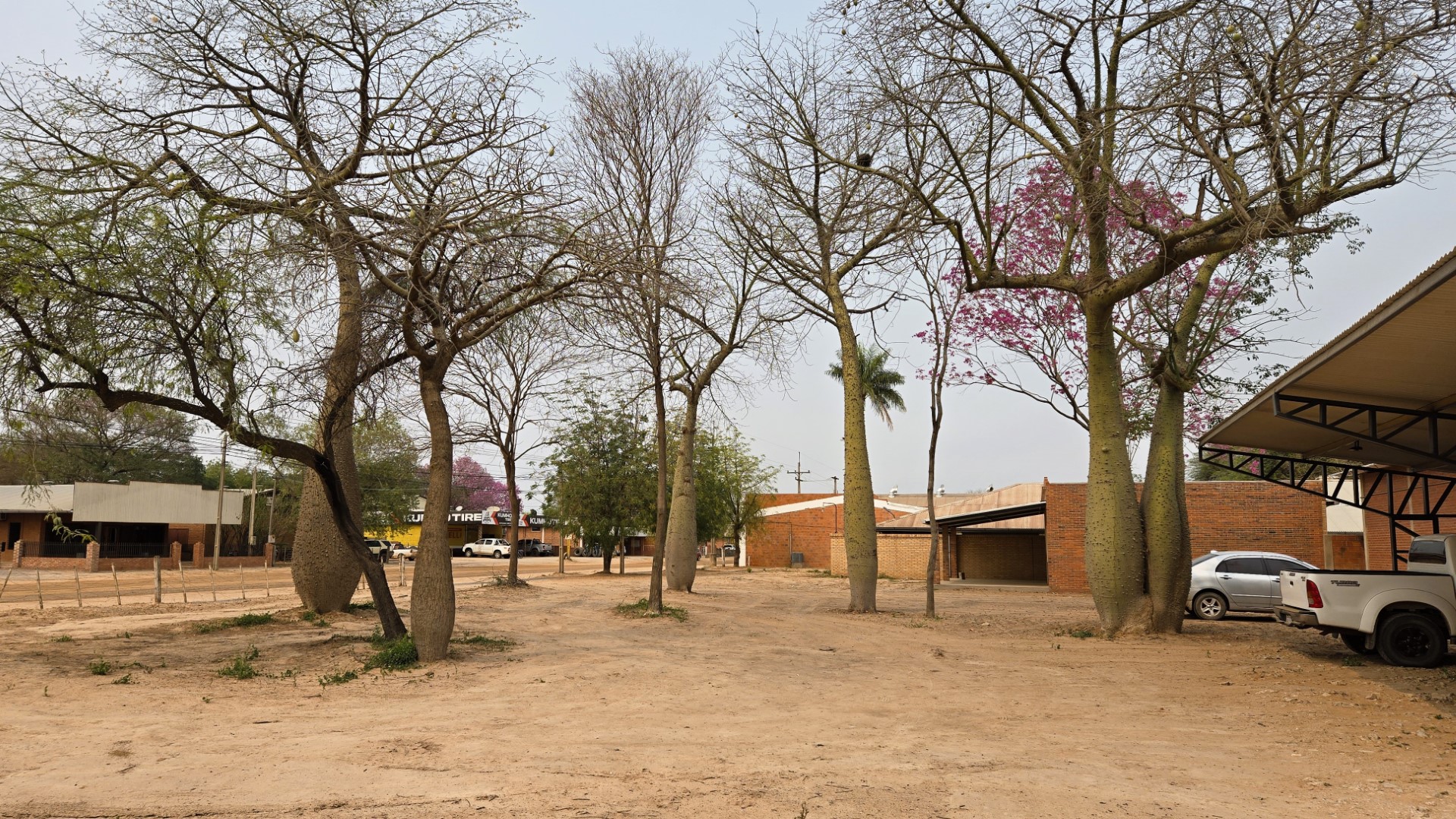
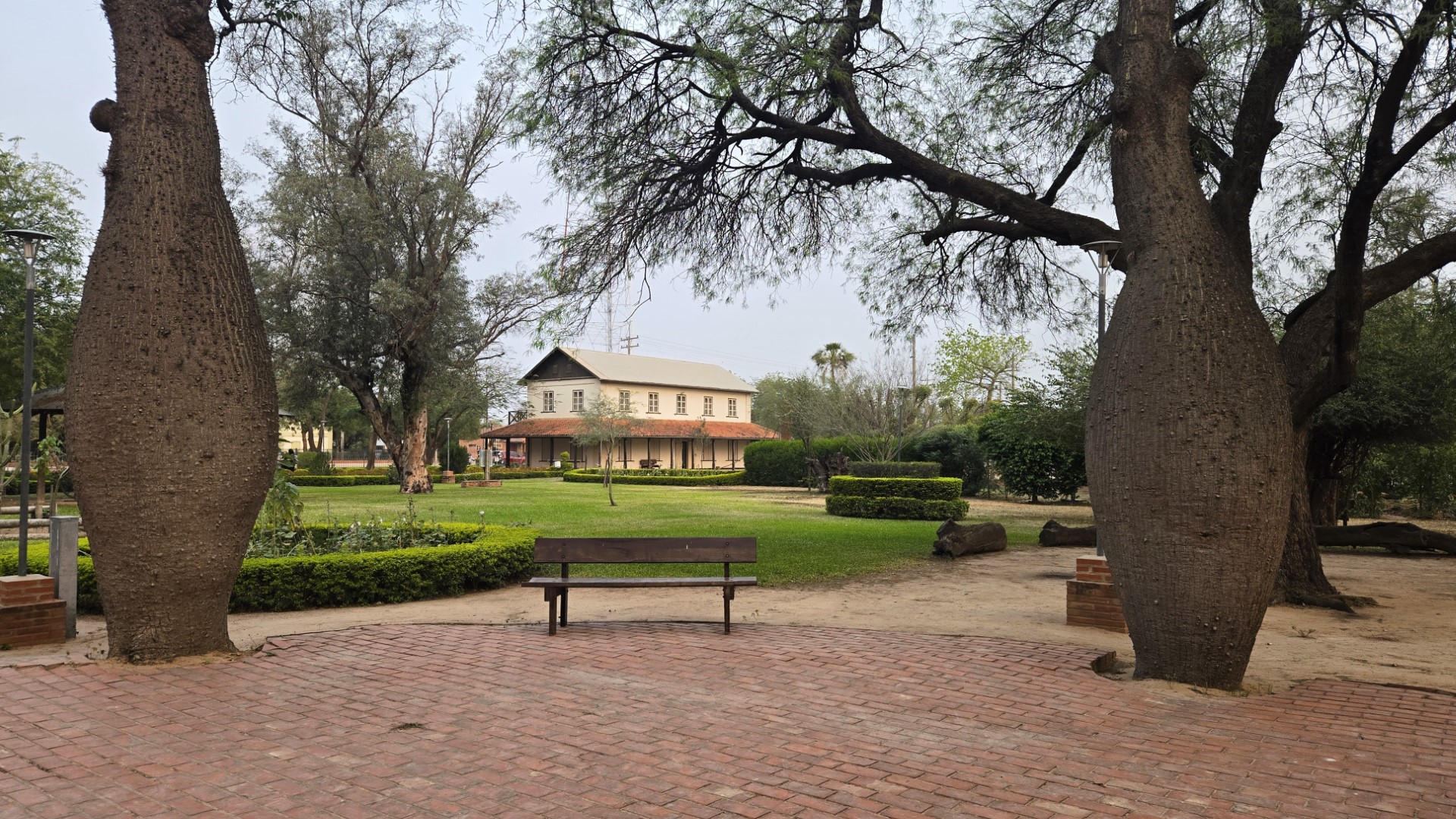
Despite being in a remote region of one of the poorest countries in South America, the town felt safe and well cared for. I certainly wasn’t expecting the most Europeanized, well-stocked supermarket I had seen anywhere in South America—somewhat disproportionate for a population of just 15,000. I also didn’t anticipate the incredibly helpful and friendly locals who offered me a lift as I walked along the highway, or the diverse and serene trilingual community where German, English, and Spanish are spoken fluently.
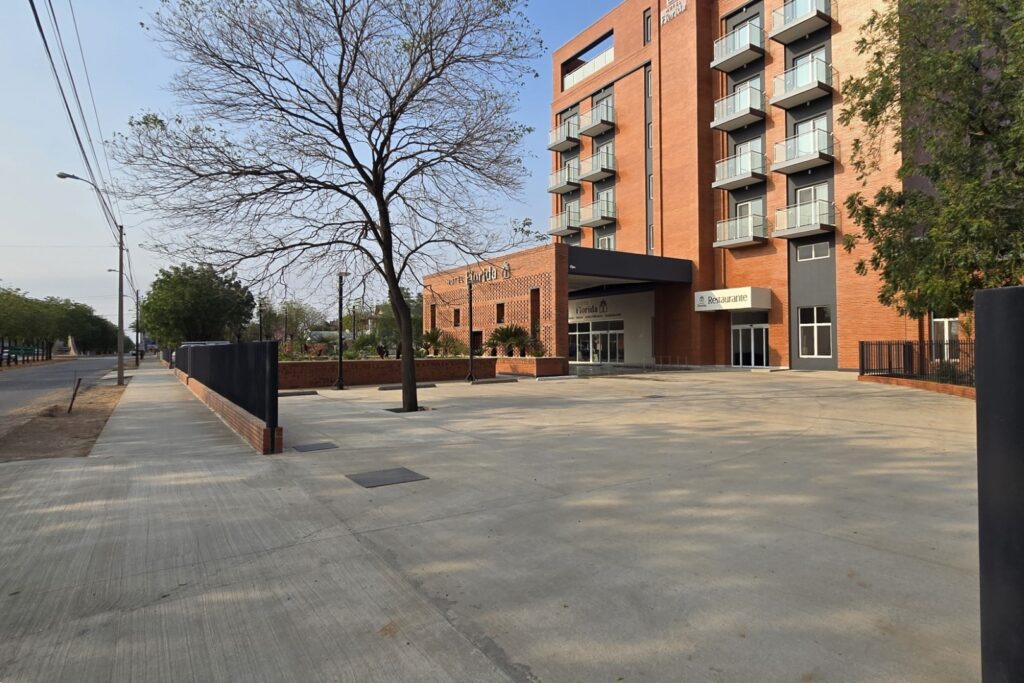
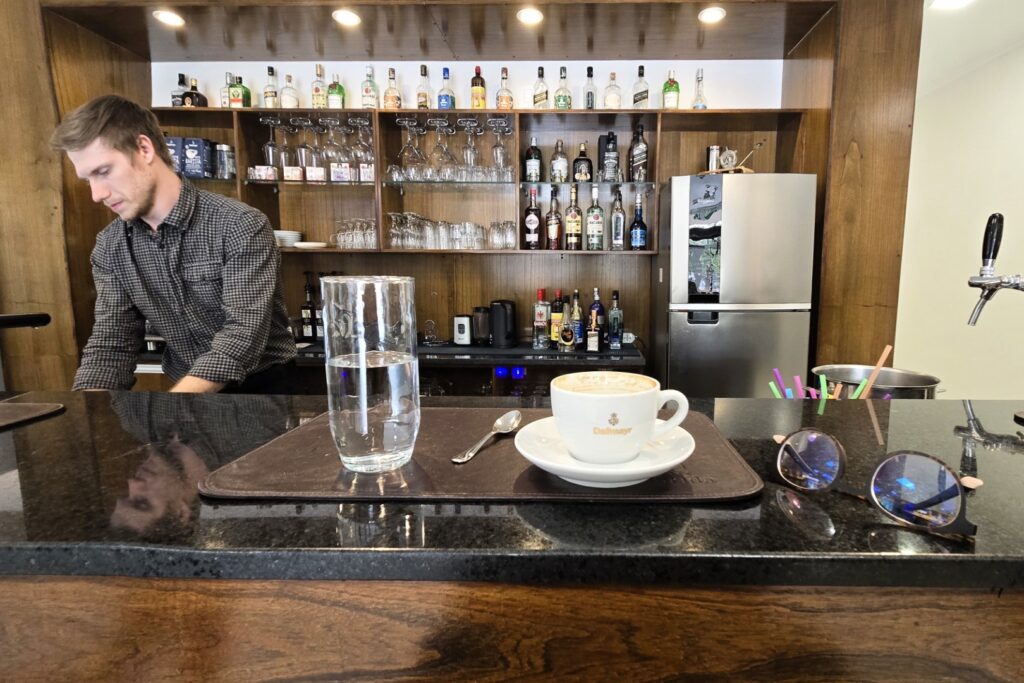
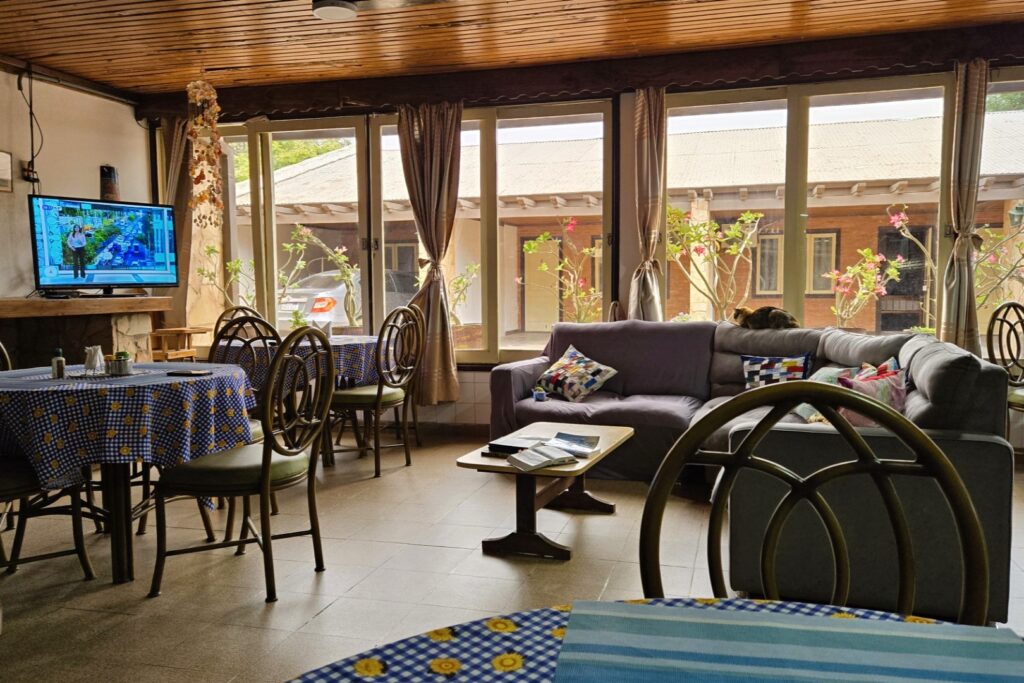
Then there was the five-star hotel where I was dropped off, boasting surprisingly affordable rooms that, unfortunately, were all booked for the night. Still, I enjoyed its refreshing lobby as a refuge from the heat and desert dust outside. I had a cappuccino at the bar before moving to a cheaper motel a few blocks away.
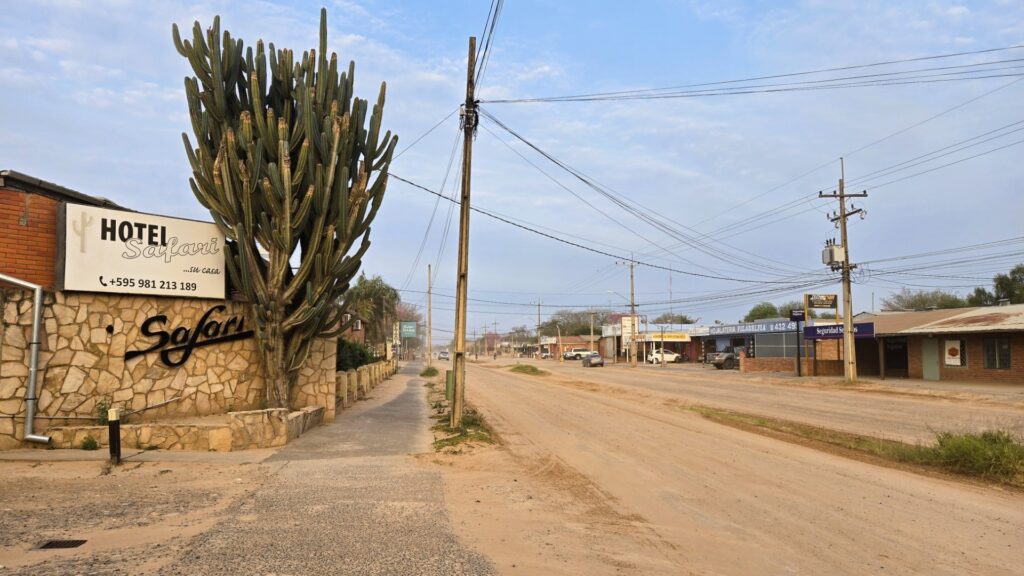
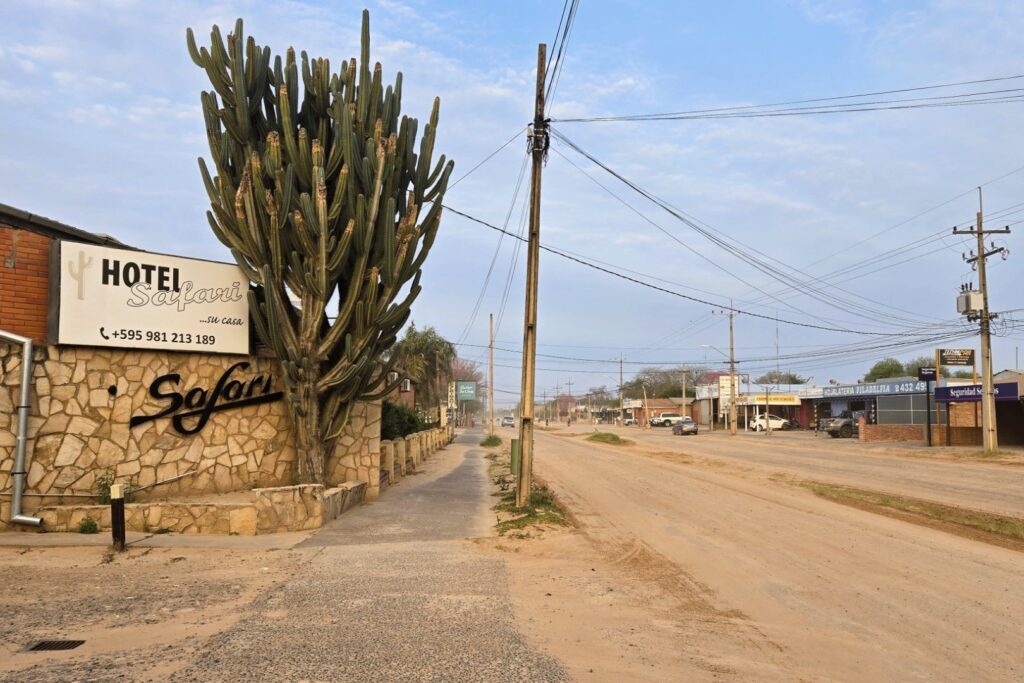
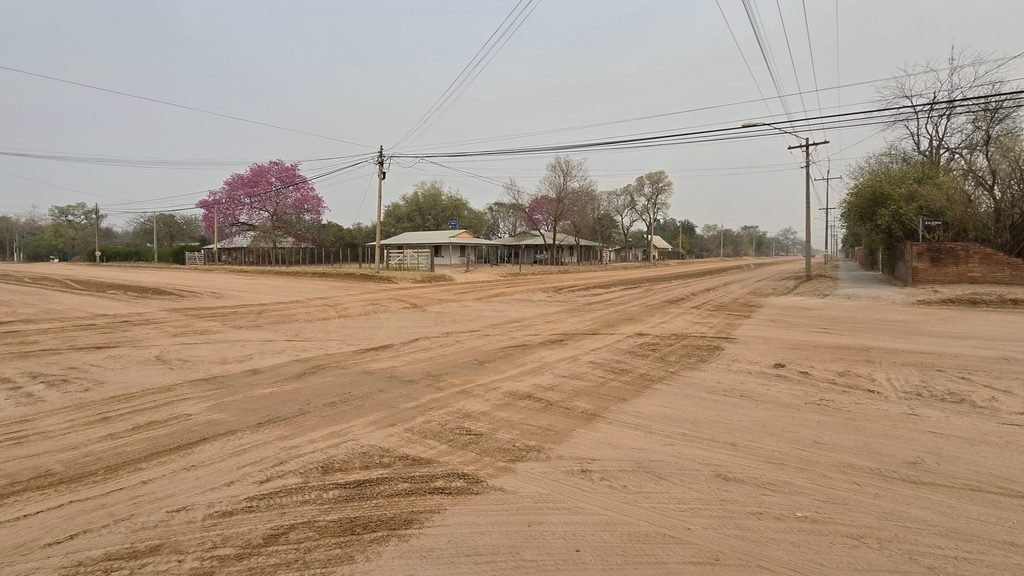
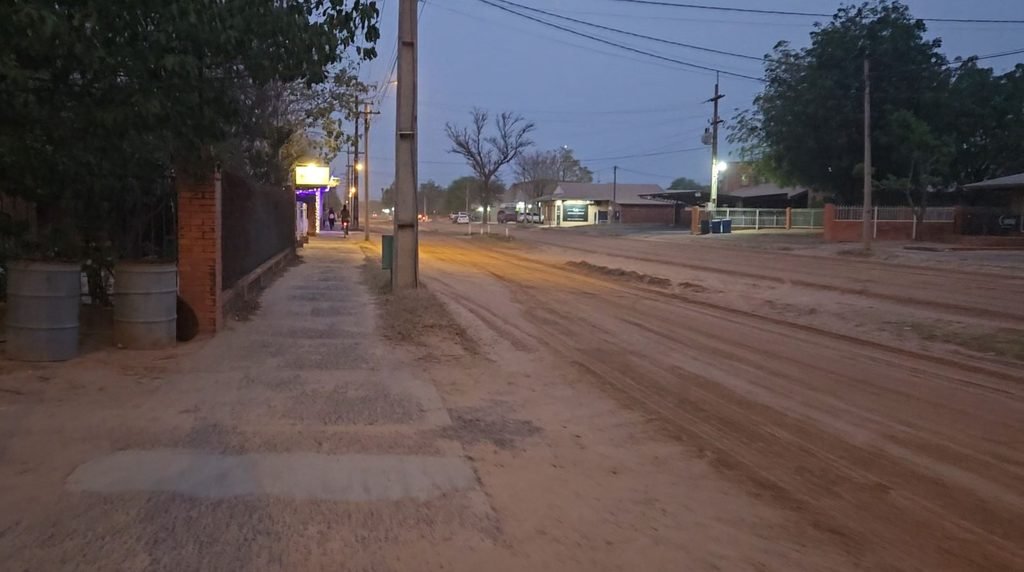
Later, I experienced the eerie atmosphere of the streets at night, free of garbage and stray dogs. A fine mist of sand particles floated in the air, creating a comfortable haze.
A German Settlement in the Desert
In the middle of it all lies Filadelfia, a mirage in the Chaco desert. What makes this settlement even more unlikely are its residents: fair-skinned, blond Germans.
In the 1920s, German-speaking Mennonites fleeing persecution in the Soviet Union began settling in the remote Chaco. They reached an agreement with the Paraguayan government, which was eager to establish settlements in the vast region while its border with Bolivia remained disputed. Not long after, the Chaco War broke out between Paraguay and Bolivia, lasting from 1932 to 1935.
During the conflict, the Mennonites stayed true to their commitment to non-violence, offering food and drink to soldiers instead of fighting. After the war, Paraguay gained new land, and the border with Bolivia was finally settled.
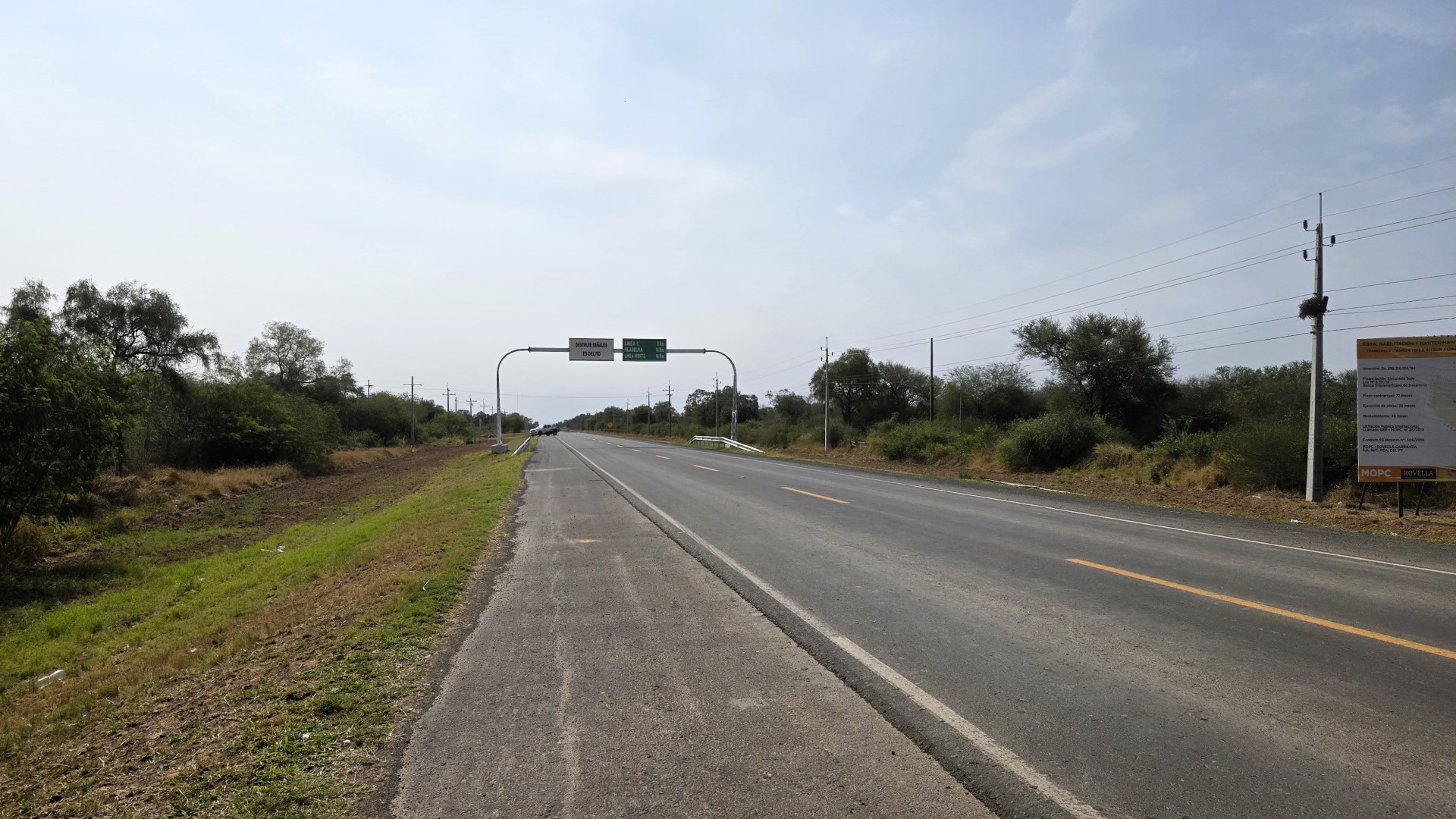
However, the Mennonite settlement remained isolated, with no roads connecting it to the rest of the country. Initially, the government provided oxen and carts to transport goods from the train station, but these proved ineffective in the desert terrain. Over time, they upgraded to sturdier wheels and horses, and eventually the Trans-Chaco Highway was built—though it passed about 14 kilometers away from the colony.
Today, many young Mennonites leave for Germany or Canada to escape the intense heat, while new immigrants are drawn in by the government’s relaxed policies. While there are several Mennonite communities in Paraguay, those in central Chaco are especially known for their resilience in this “Green Hell.” Over time, they developed farming and cattle-ranching methods adapted to the Chaco’s tough conditions. What started as a self-sufficient agricultural community grew into cooperatives supplying much of Paraguay’s dairy products.
Filadelfia also evolved into a culturally diverse community. Indigenous groups like the Nivaclé and Guaraní live in and around the region, and despite its isolation, German and English are widely spoken alongside Spanish.
How to Get There
Filadelfia lies in one of the least populated parts of Paraguay, surrounded by the vast Gran Chaco, which extends into Bolivia and Argentina. It’s about as remote as it gets. It’s no surprise that the city often goes unnoticed, and the limited transportation options are a clear indication of just how isolated it is.
If you’re thinking of crossing the border from Bolivia, be prepared for an uncertain journey. It’s neither easy to plan nor straightforward. Border crossings are rarely consistent, and if you’re heading to Filadelfia, you may be dropped at an intersection along the Trans-Chaco Highway, leaving you to cover the remaining 14 kilometers under the midday sun and hope for a lift along the way. It’s still easier than doing the trip in reverse, when you may have to catch the bus at the same intersection in the middle of the night.
Following my usual strategy of starting in a populated area to have all the odds on my side, I decided to begin the trip in Santa Cruz, Bolivia’s largest city, for more convenience and flexibility—a decision I didn’t regret.
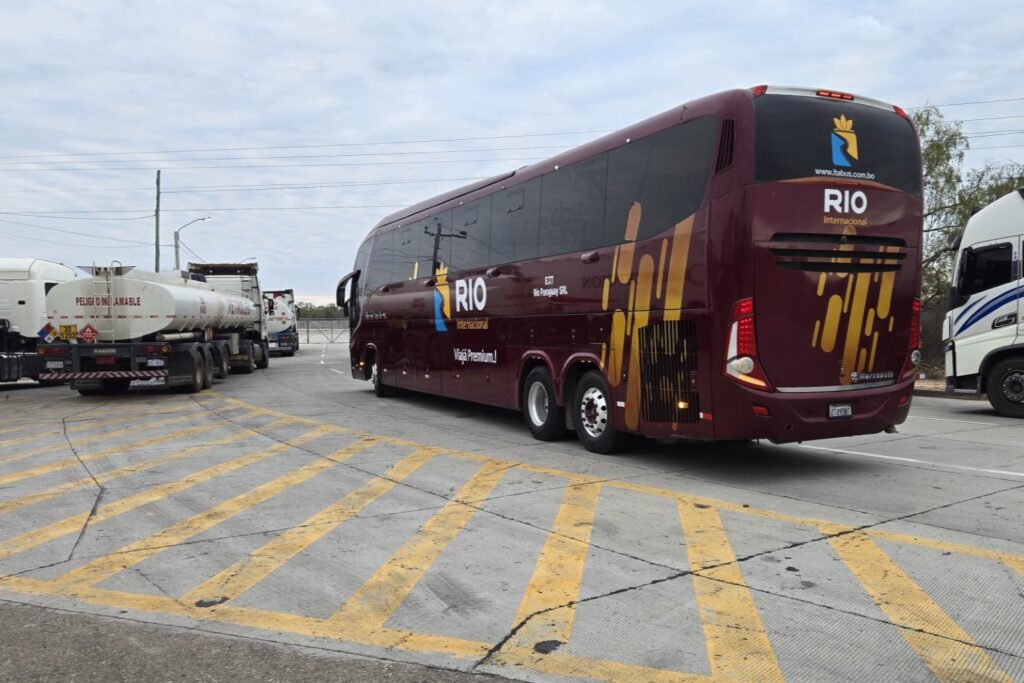
You only have a couple of bus companies to choose from, and they don’t run daily. I picked Rio, which worked out fine, but I was just relieved to find a direct option and didn’t think to haggle over the price—big mistake. It seems they overcharge tourists.
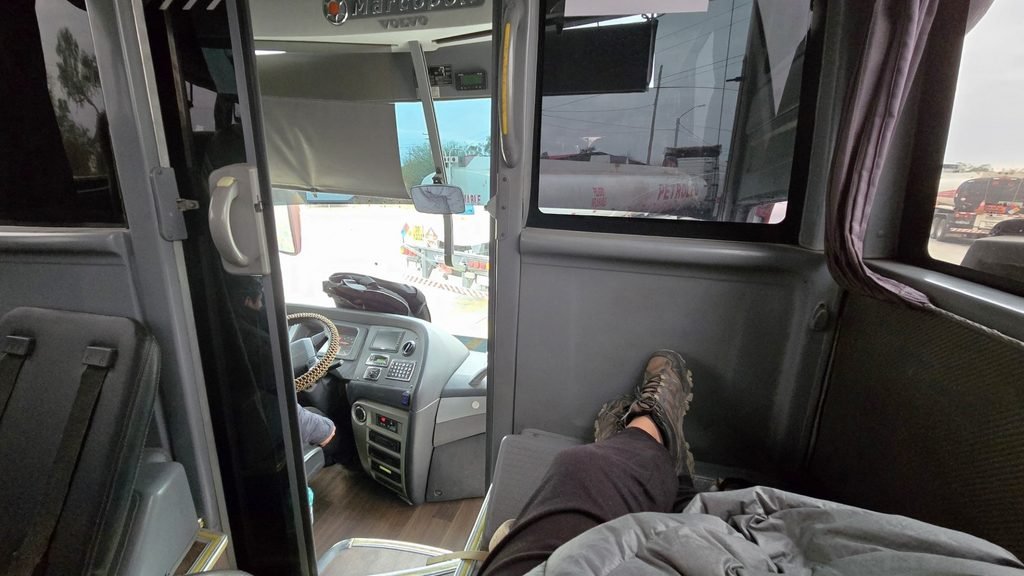
The waiting area at the bus company wasn’t great, but I managed to snag a chair, which was lucky since the bus was two hours late. It was a single-decker cama bus, which doesn’t mean 180-degree reclining seats—just fewer passengers and more space per seat. The bus was half-full, with around 15 passengers in total, and the seats were more comfortable than on your average bus. It was clean, and each seat had a USB port.
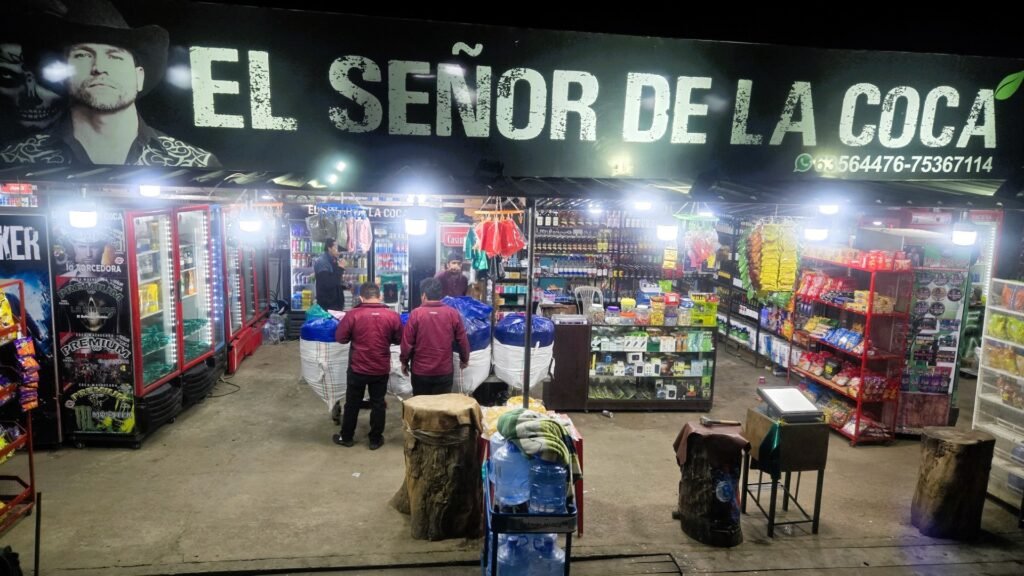
We made a few mandatory stops along the way, including one at a coca leaf store for refills. During the night, I woke up almost every hour, trying to find a position that wouldn’t leave some part of my body numb.
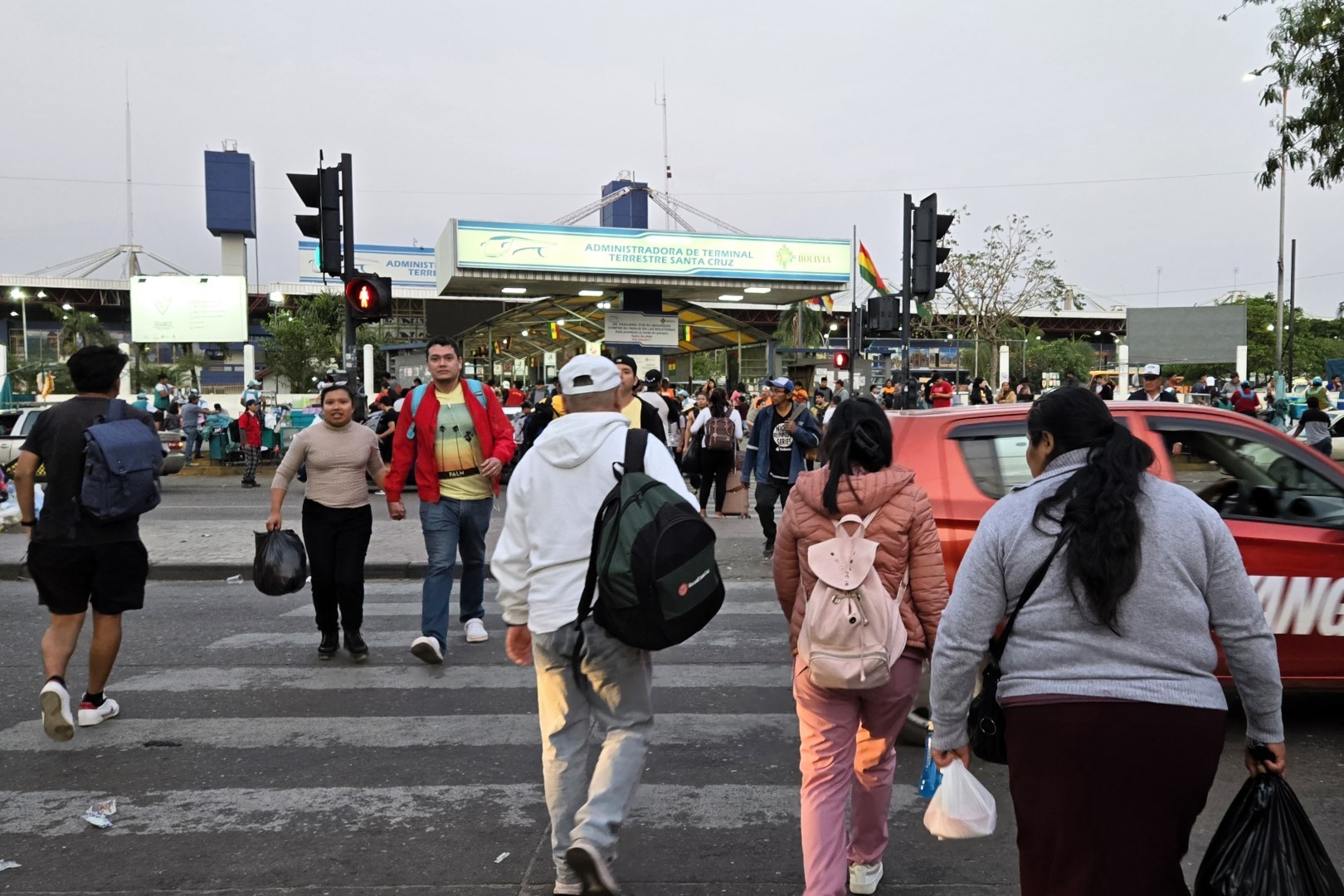
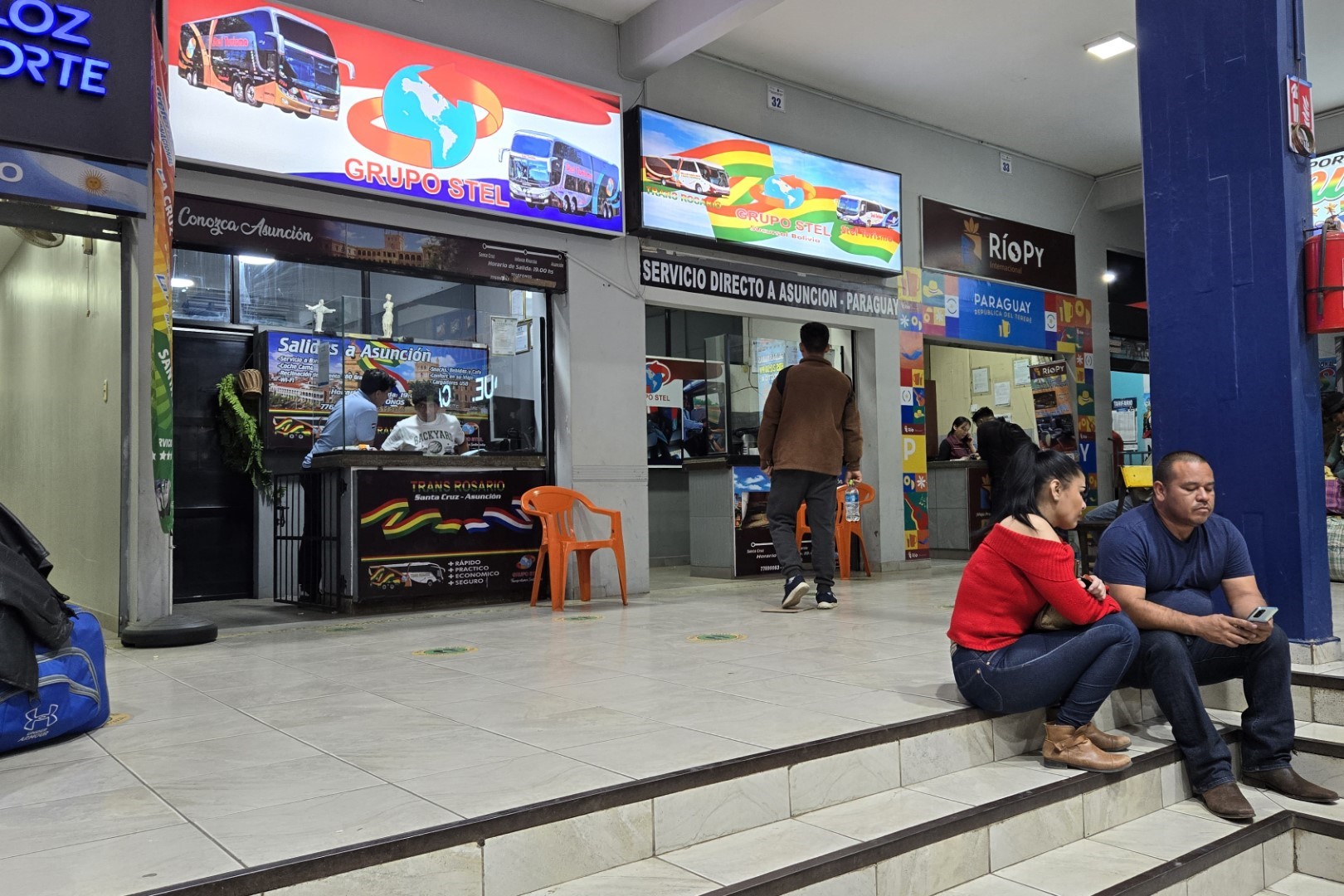
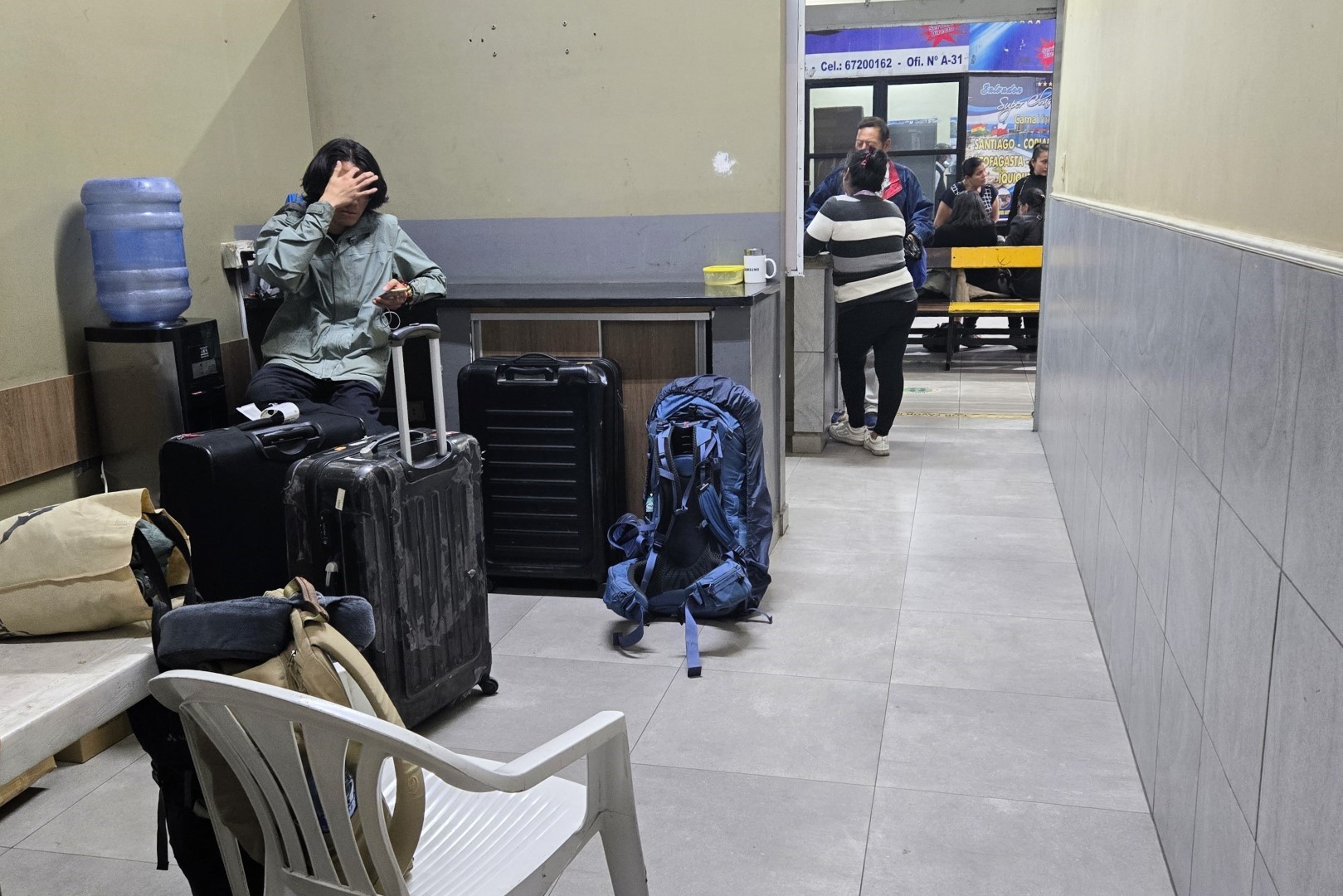
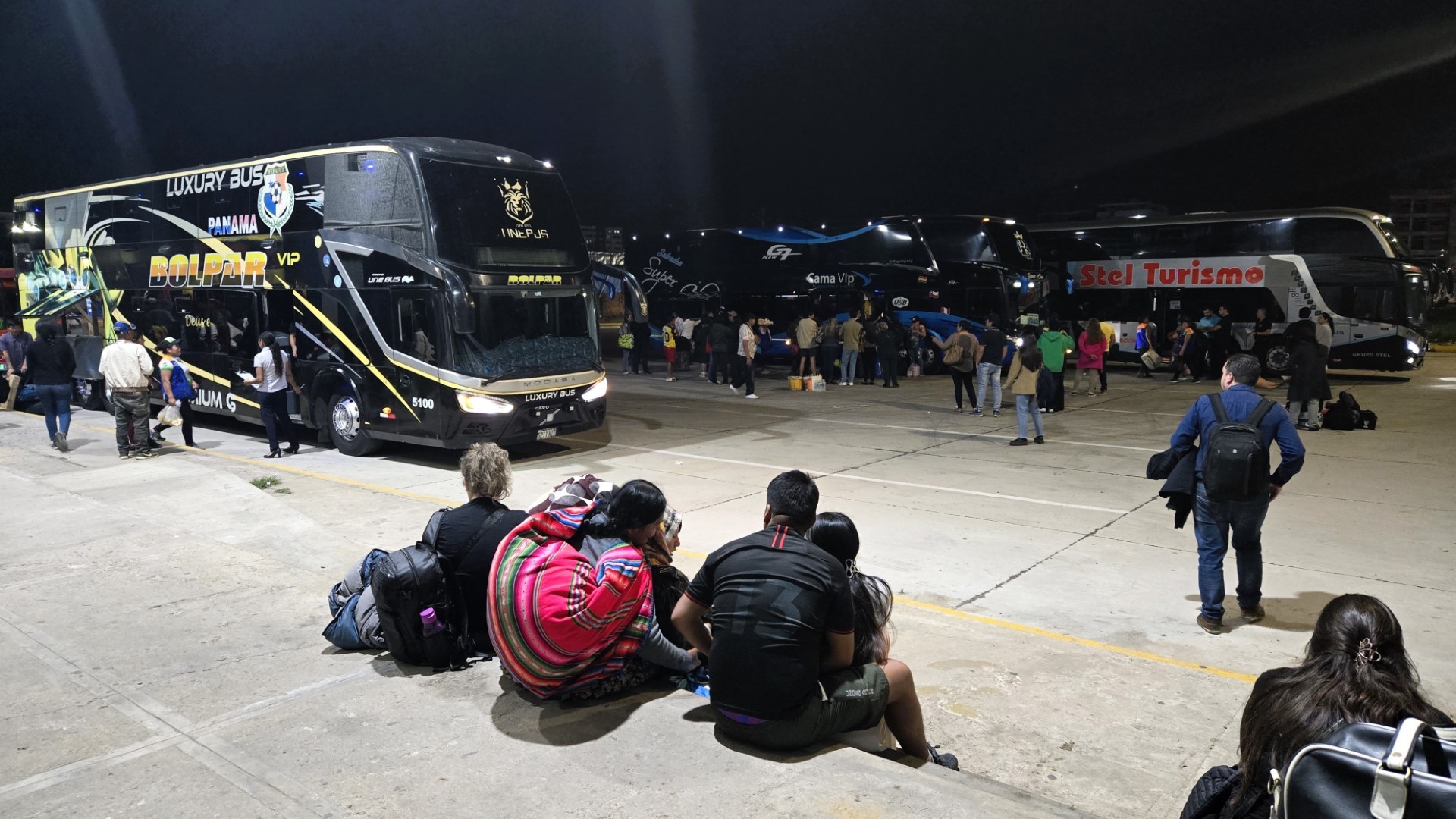
Another mistake I made was thinking I could easily find Paraguayan guaraní before leaving Bolivia. Don’t count on it. Not one of the ten places I tried had any. I guess Paraguay isn’t high on Bolivia’s travel list.
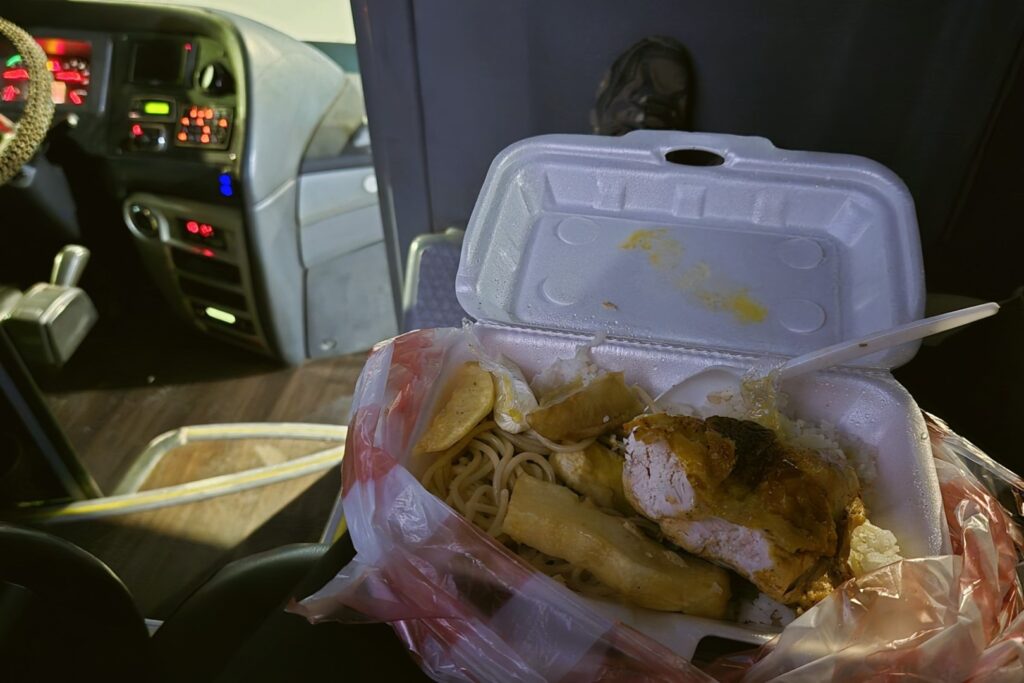
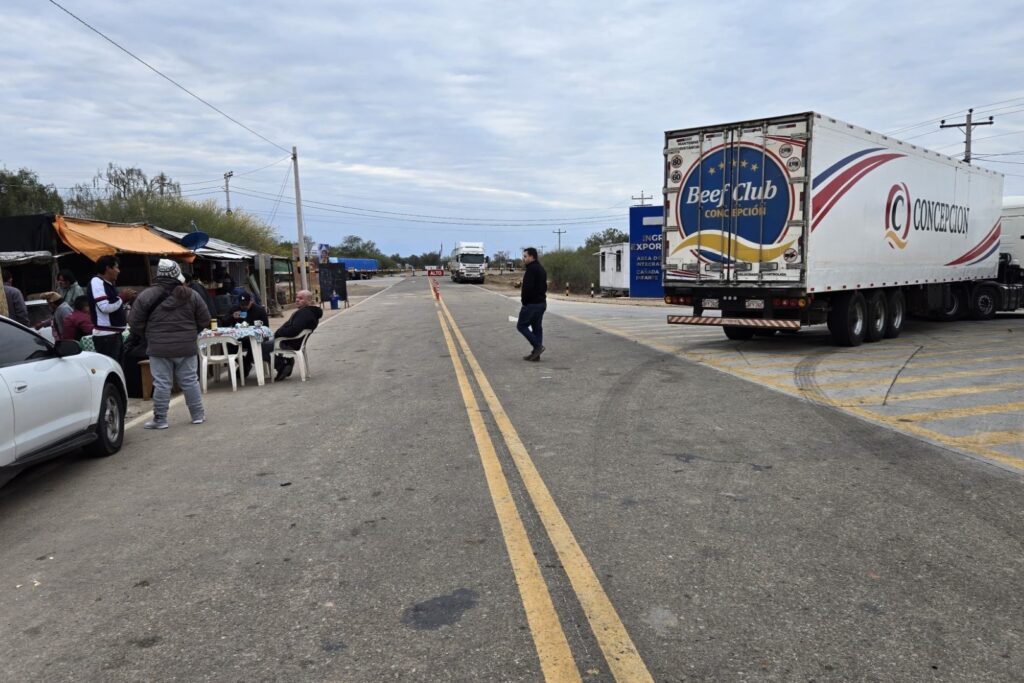
Thankfully, some opportunistic street vendors near the border—and a “cambio lady” who hopped onto the bus—were more than happy to exchange bolivianos at a painful, non-negotiable rate. Make sure you spend or exchange your bolivianos before entering Paraguay, as they may be difficult to exchange afterward. I used some for a drink and a chicken meal before departure, along with the annoying $2.50 bus terminal fee, and exchanged the rest before crossing the border. Once in Filadelfia, you can easily withdraw cash from an ATM in the town center.
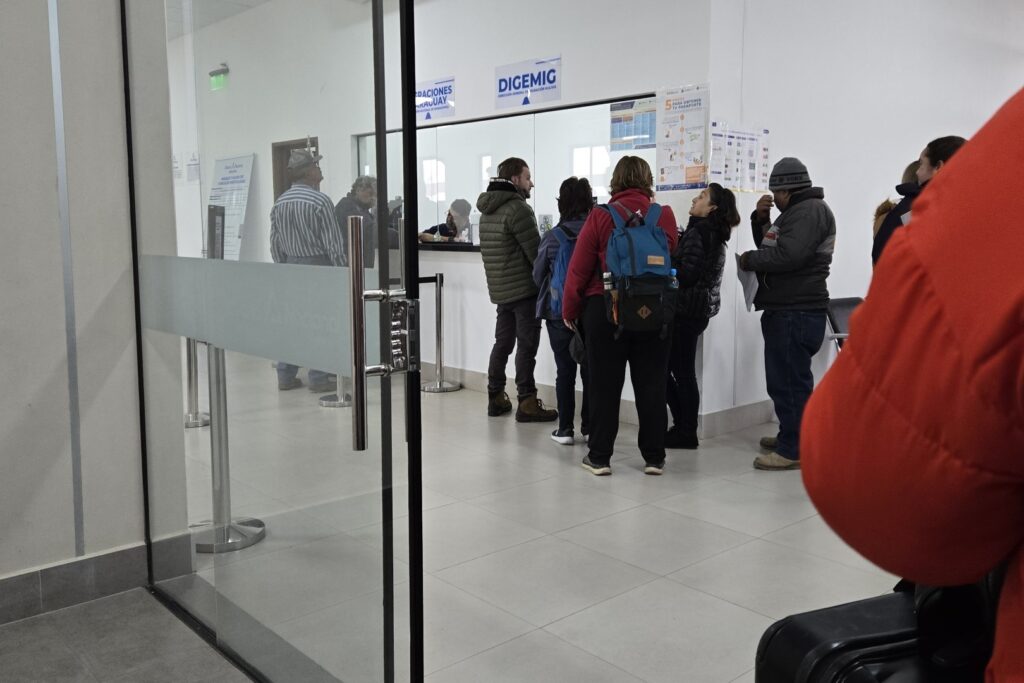
Despite leaving two hours late, we arrived before the checkpoint opened at 7:30, which made me question the whole logistics of the trip. On the bright side, the immigration process was fairly smooth, though it involved a long wait. Both countries share a surprisingly modern border station with plenty of bathrooms but not much else.
On the Paraguayan side, there were two more checkpoints—because, why not? At the last one, we had to get off the bus with our luggage for another round of bag patting and pocket searching.
The bus ride and walk tour of Filadelfia, Paraguay