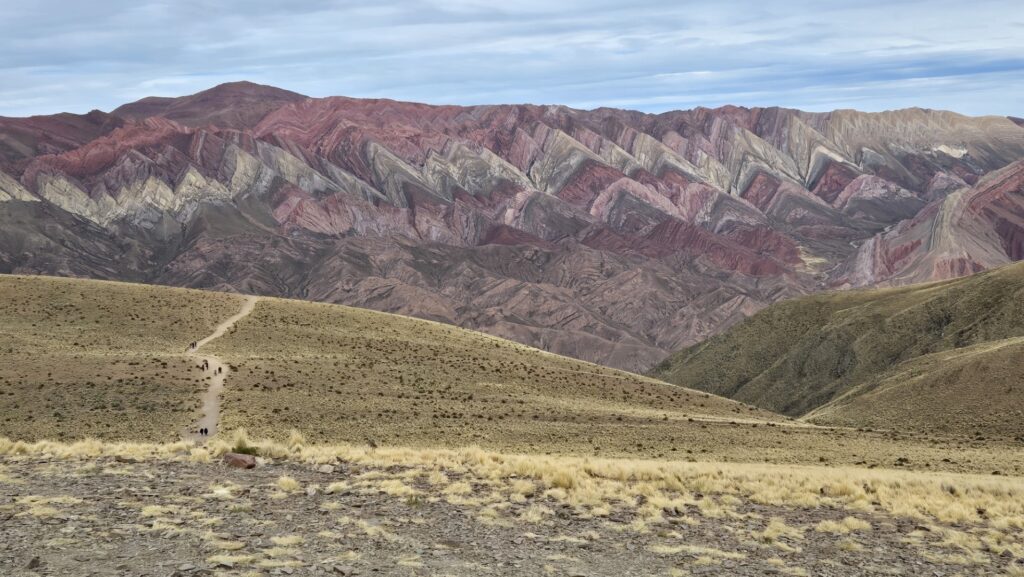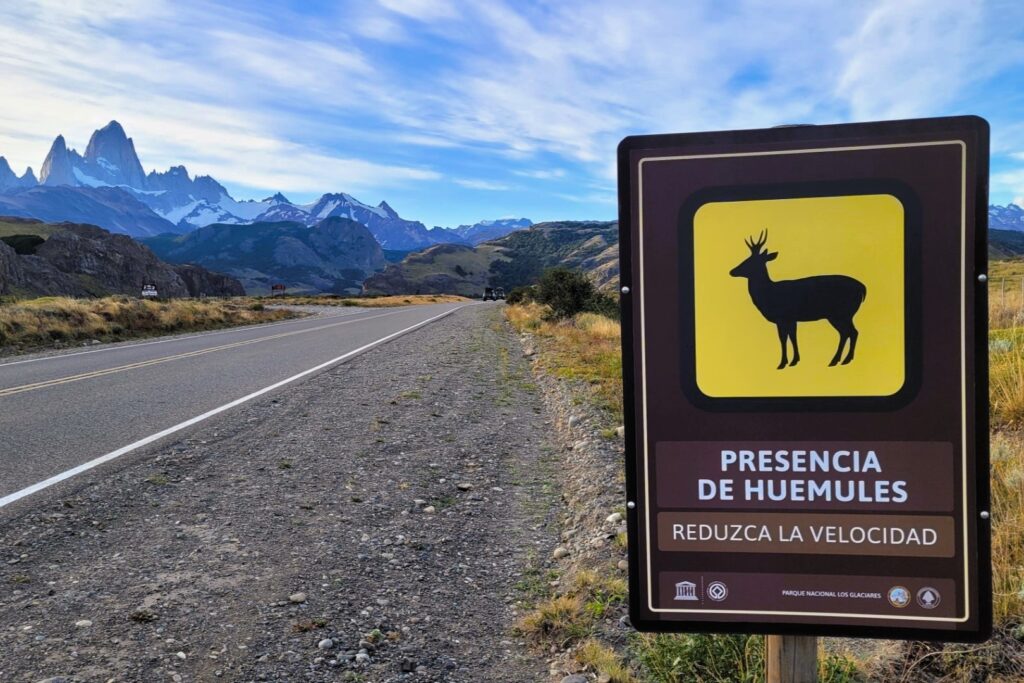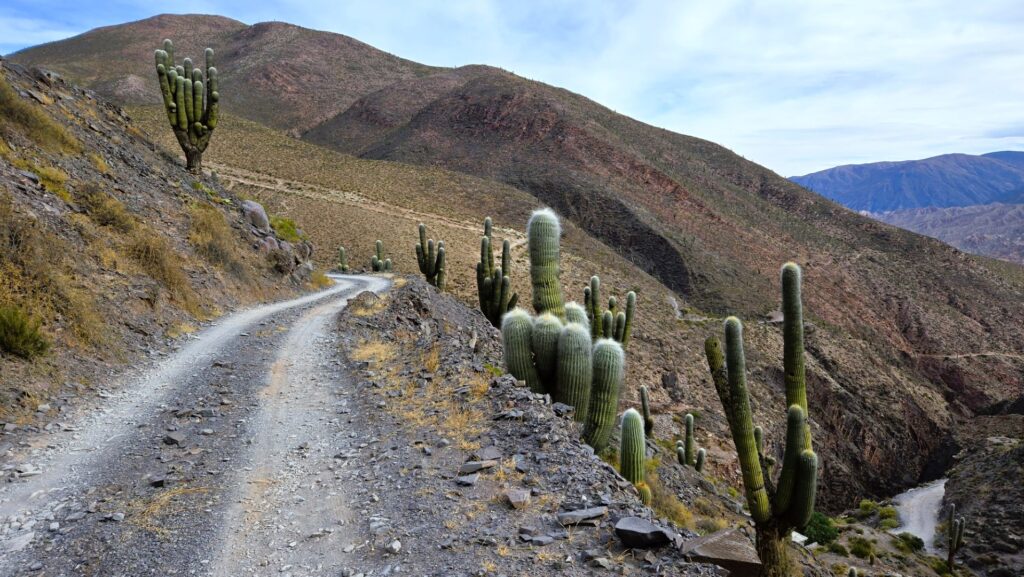
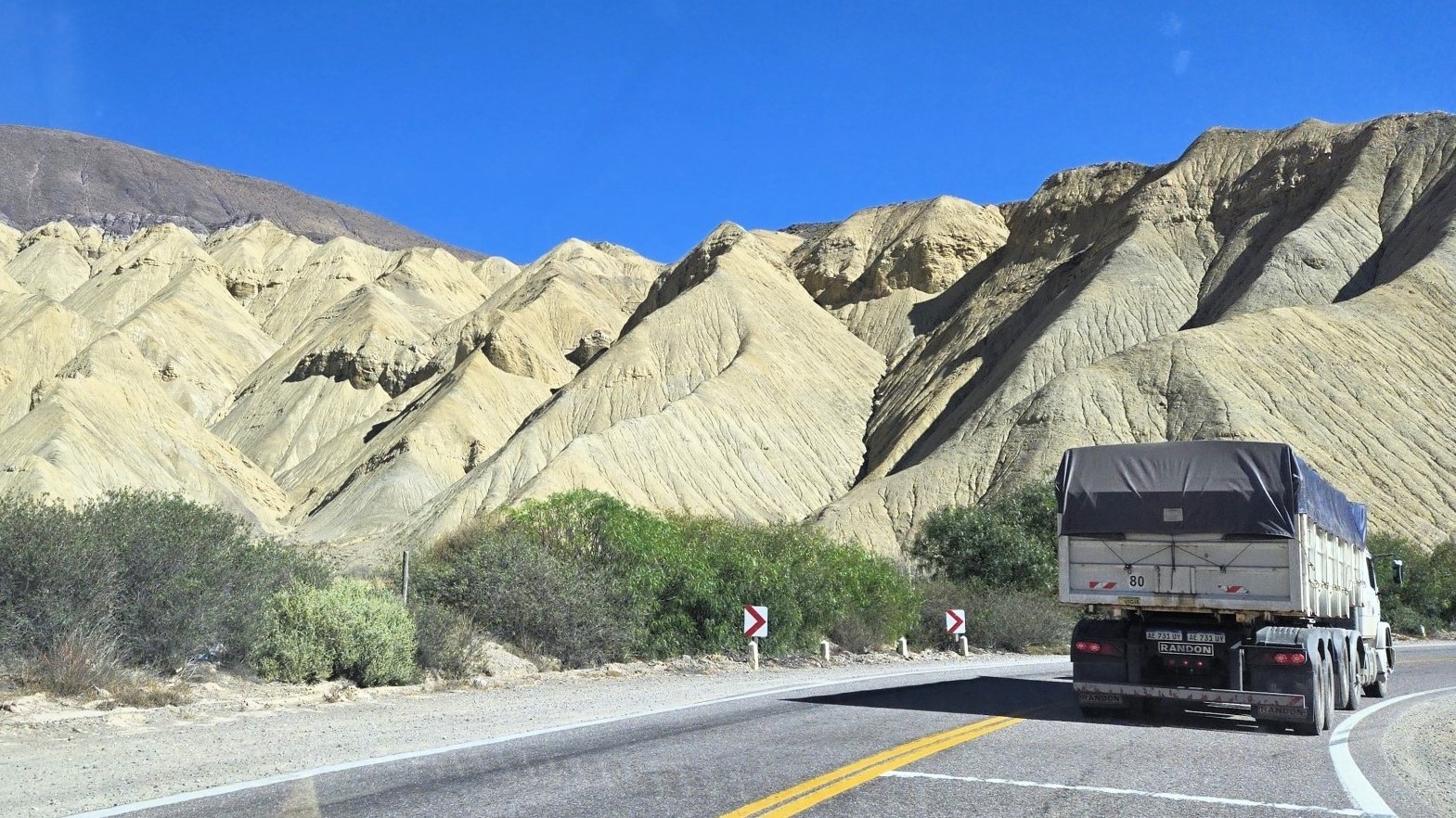
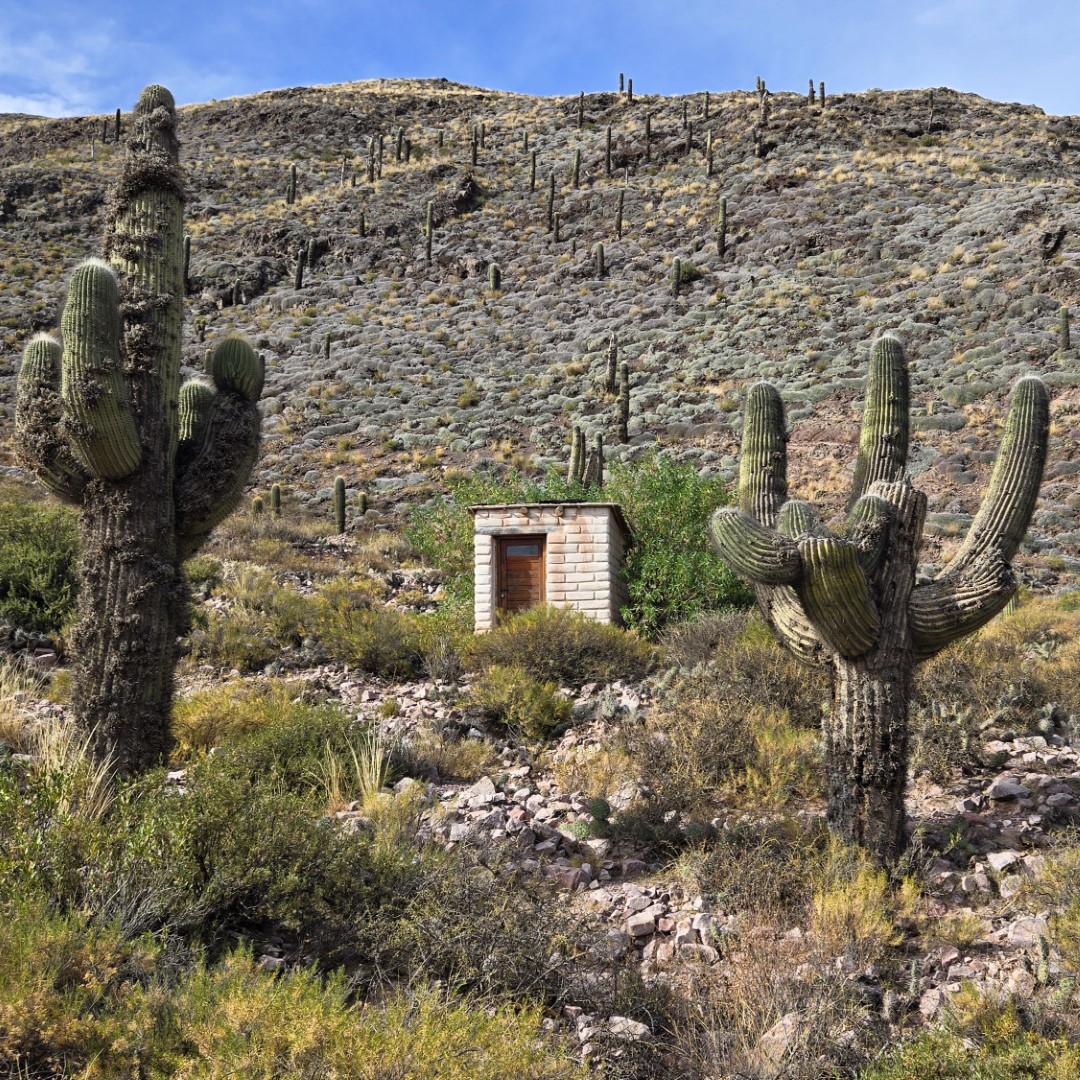
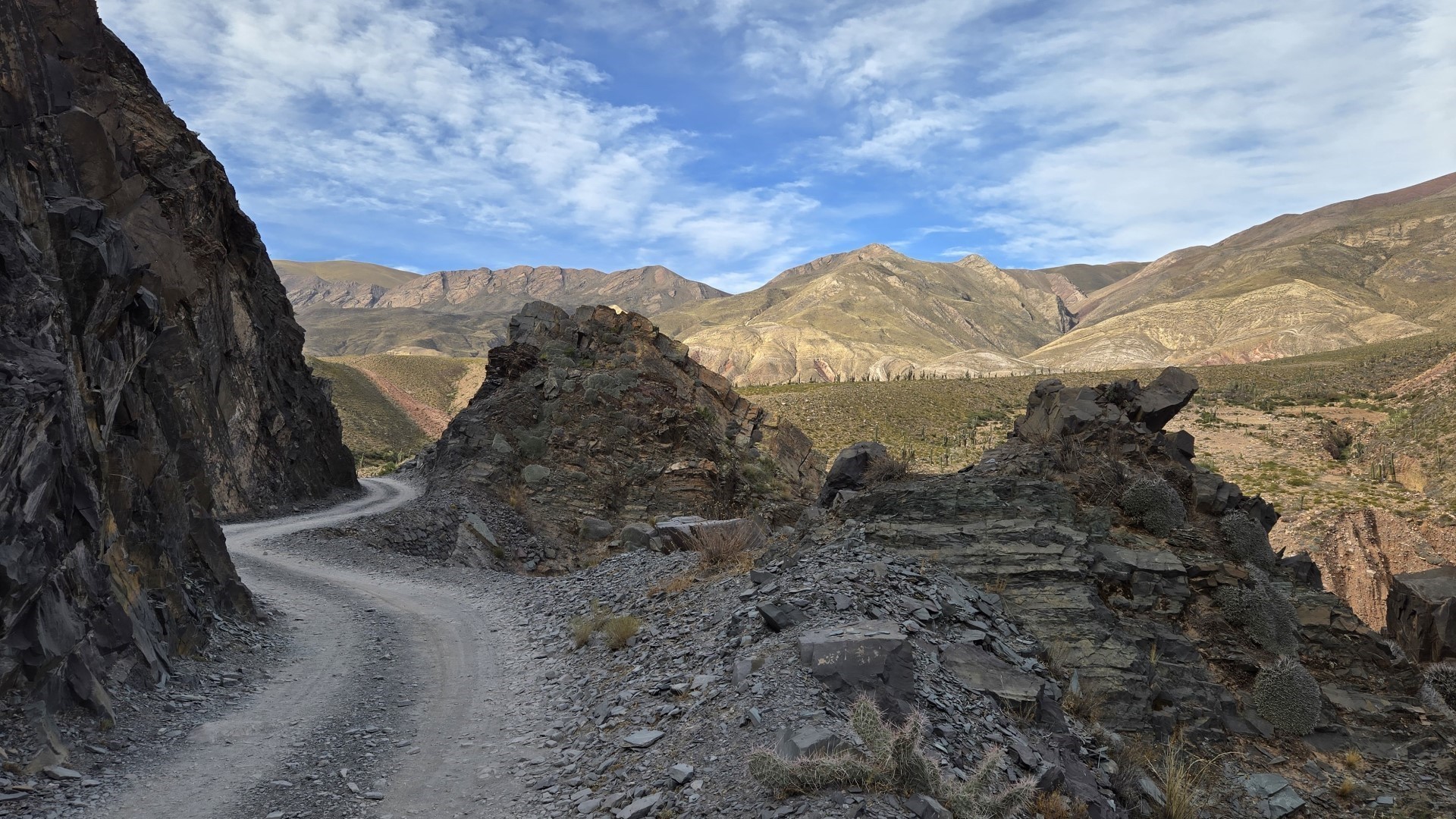
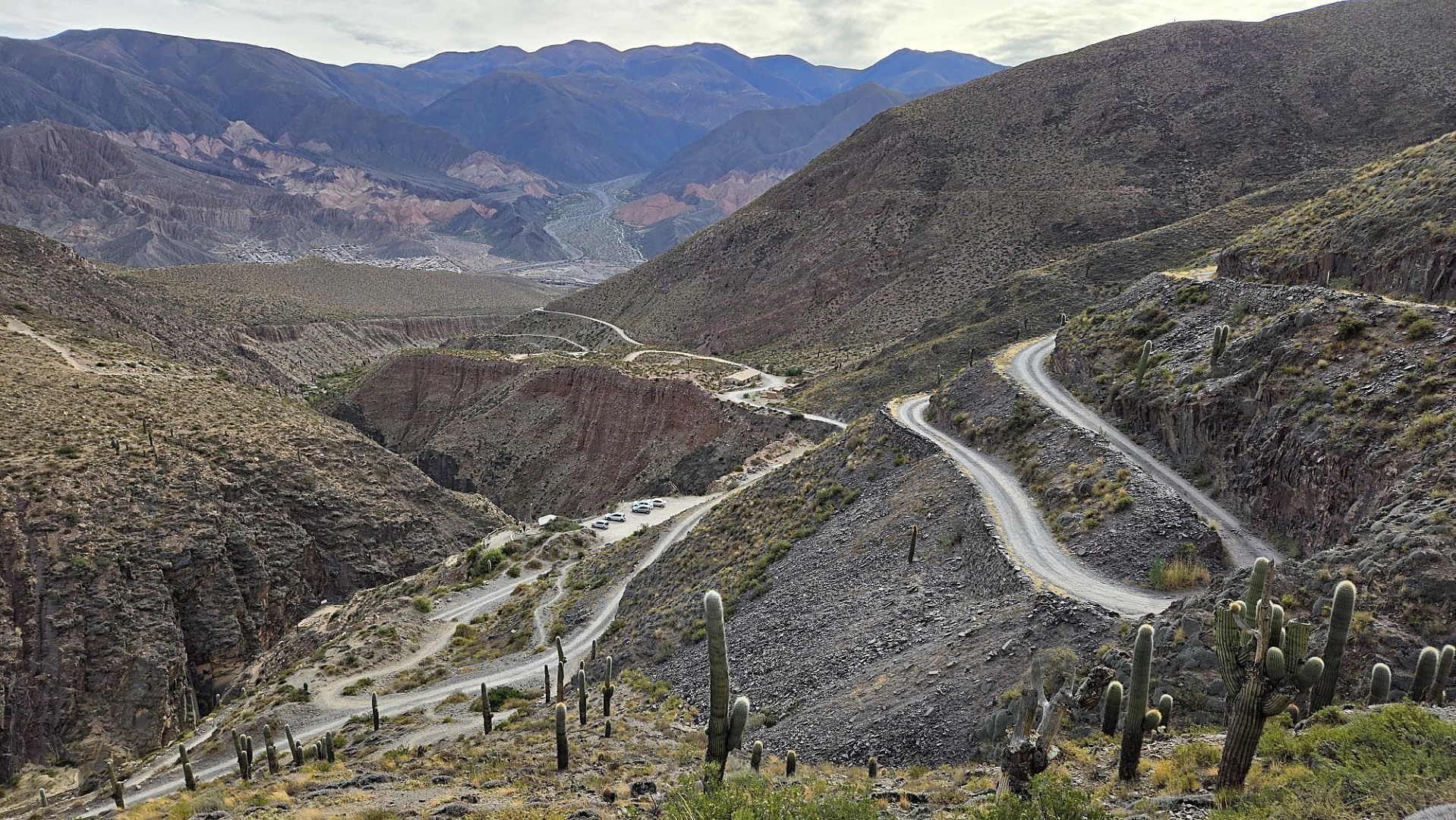
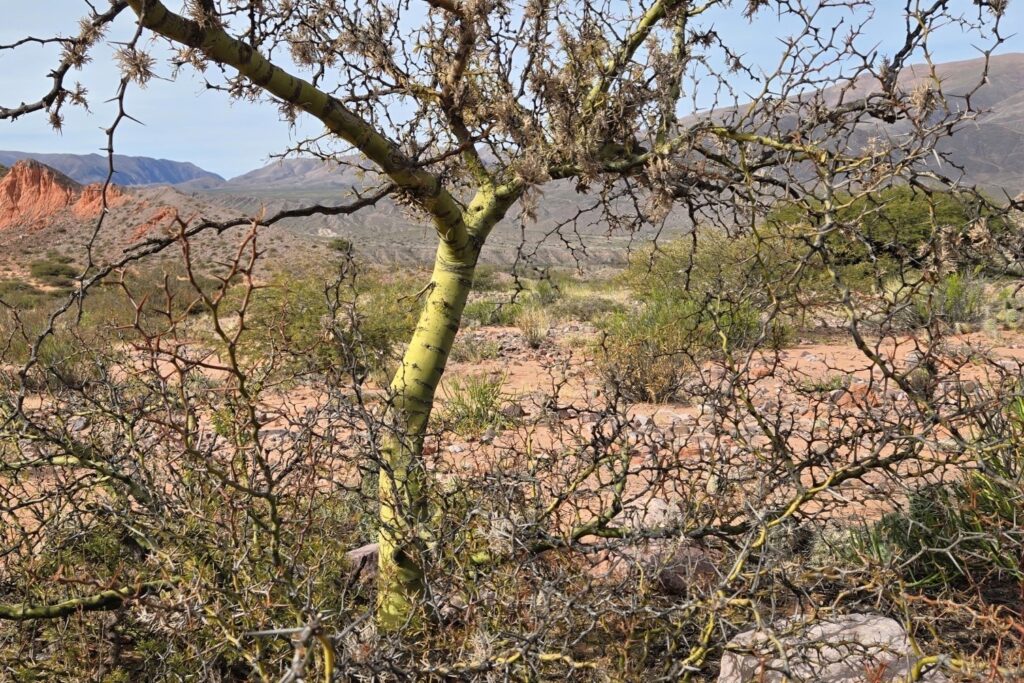
Starting in Salta, the largest city in northern Argentina, and ending in the Bolivian border town of La Quiaca-Villazon, I traveled along Routa 9 through a narrow valley dominated by the frozen lifeforce of rocky hills painted in ochre and green, where giant cacti stood across the landscape like slow-moving sentinels.
Salta: Highland City of Northern Argentina
1,152 m elevation | 620,000 residents
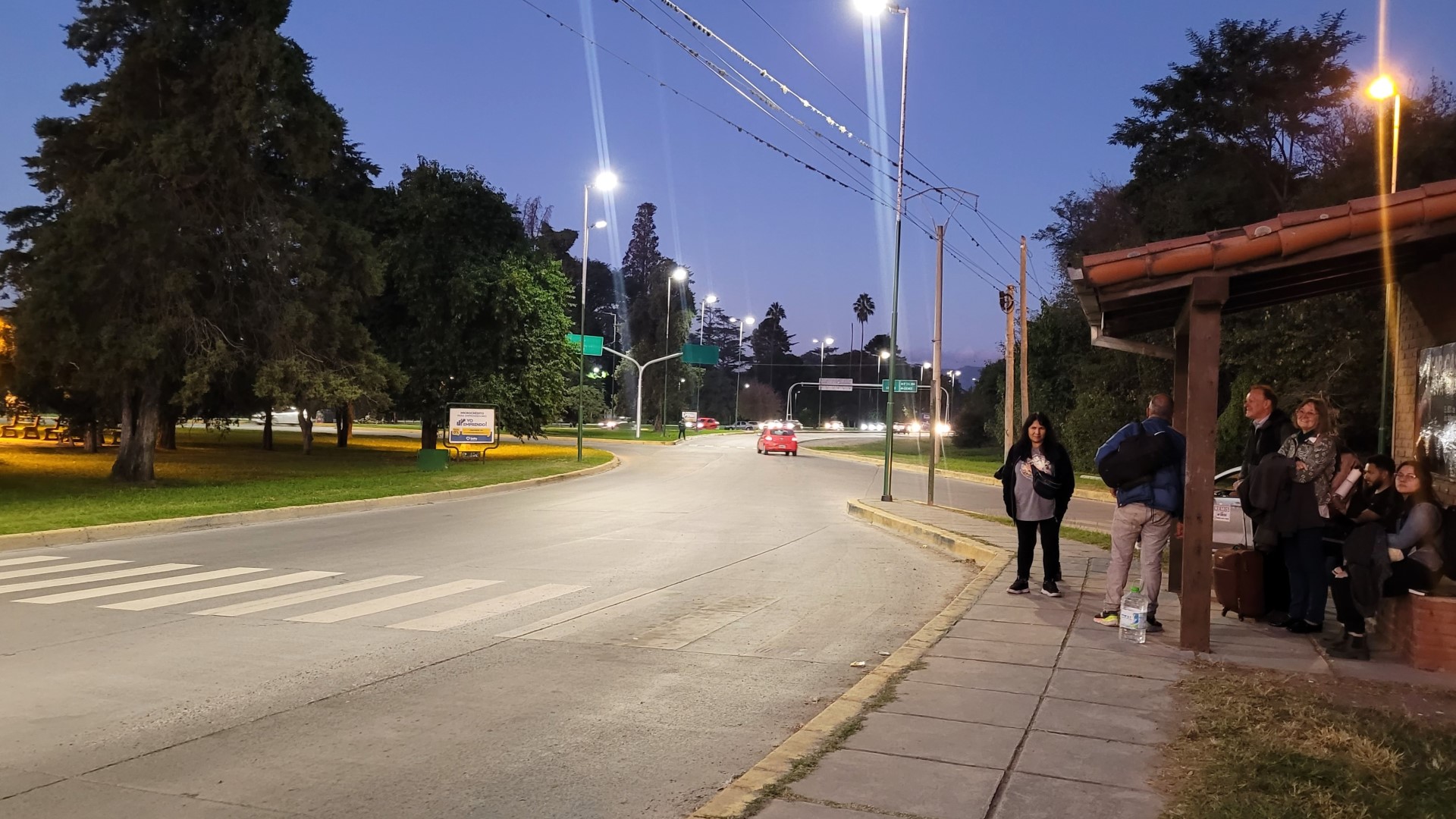
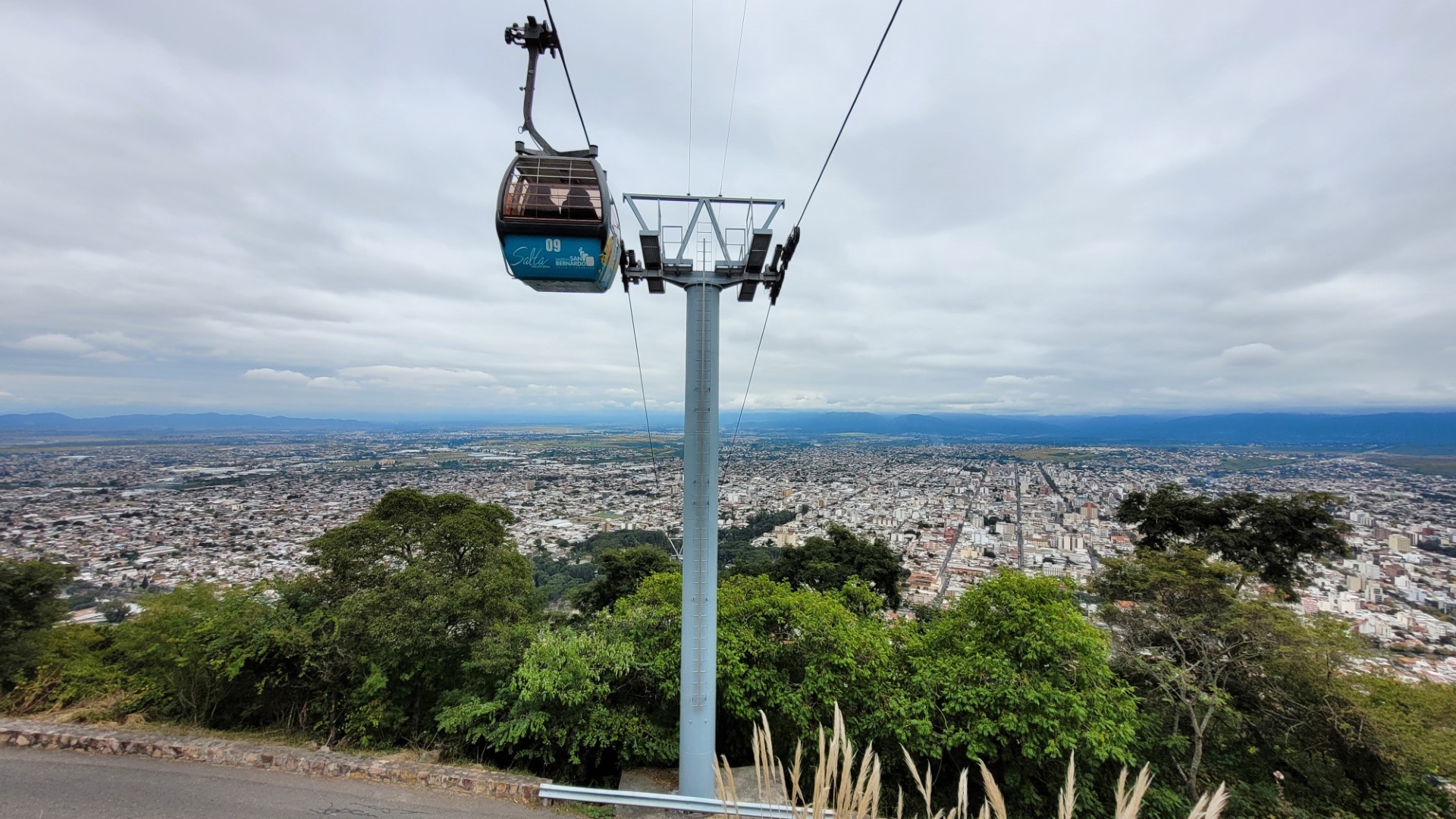
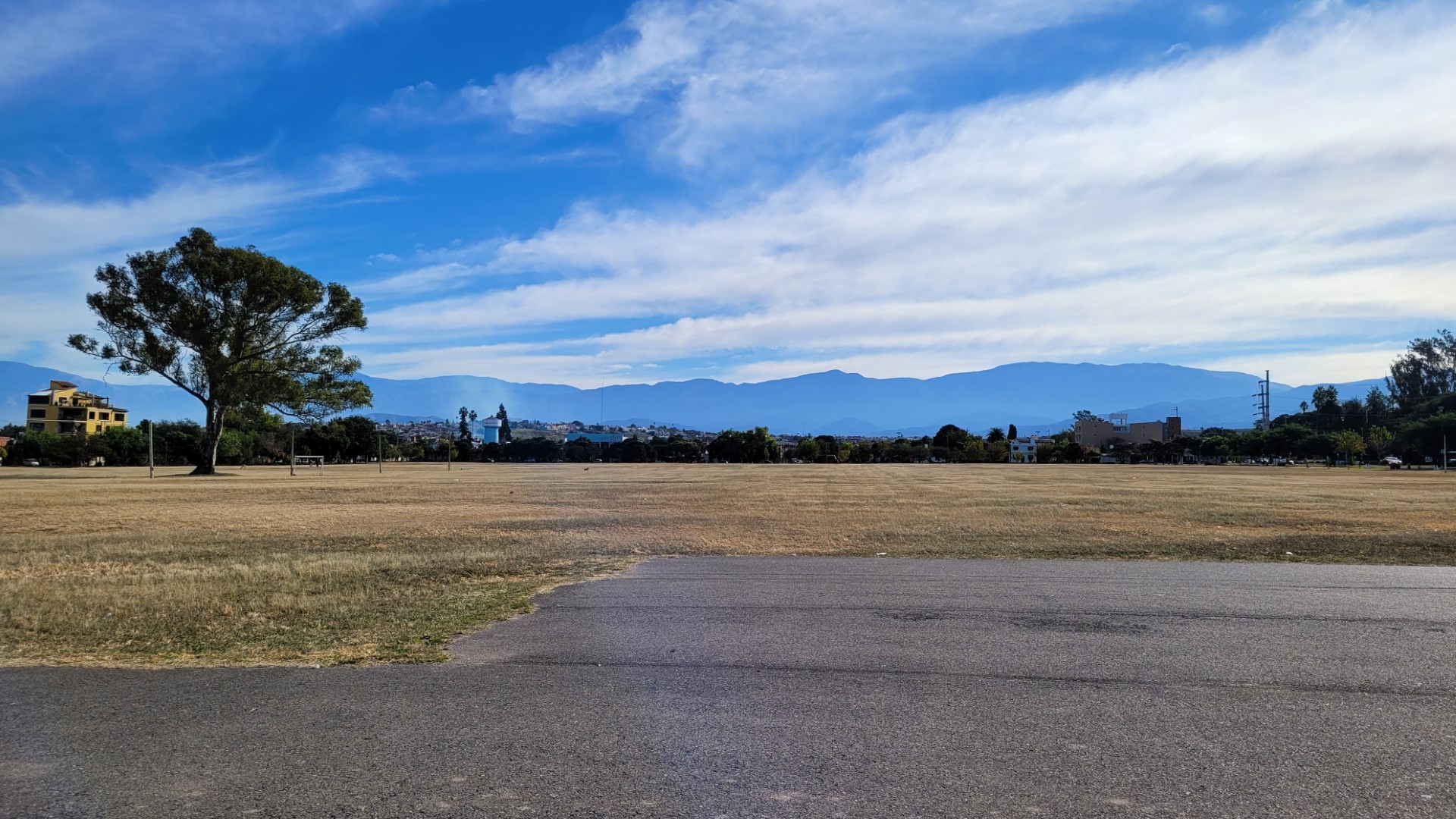
As I landed in Salta at sunset, the mountainous landscape already offered a stark contrast to Buenos Aires. Before leaving the terminal, I bought a municipal bus card at a kiosk, stepped outside directly into nature, and walked along a lush green road, passing well-maintained fields until I reached the main road. From there, I caught a bus into the city. The weather was perfectly pleasant.
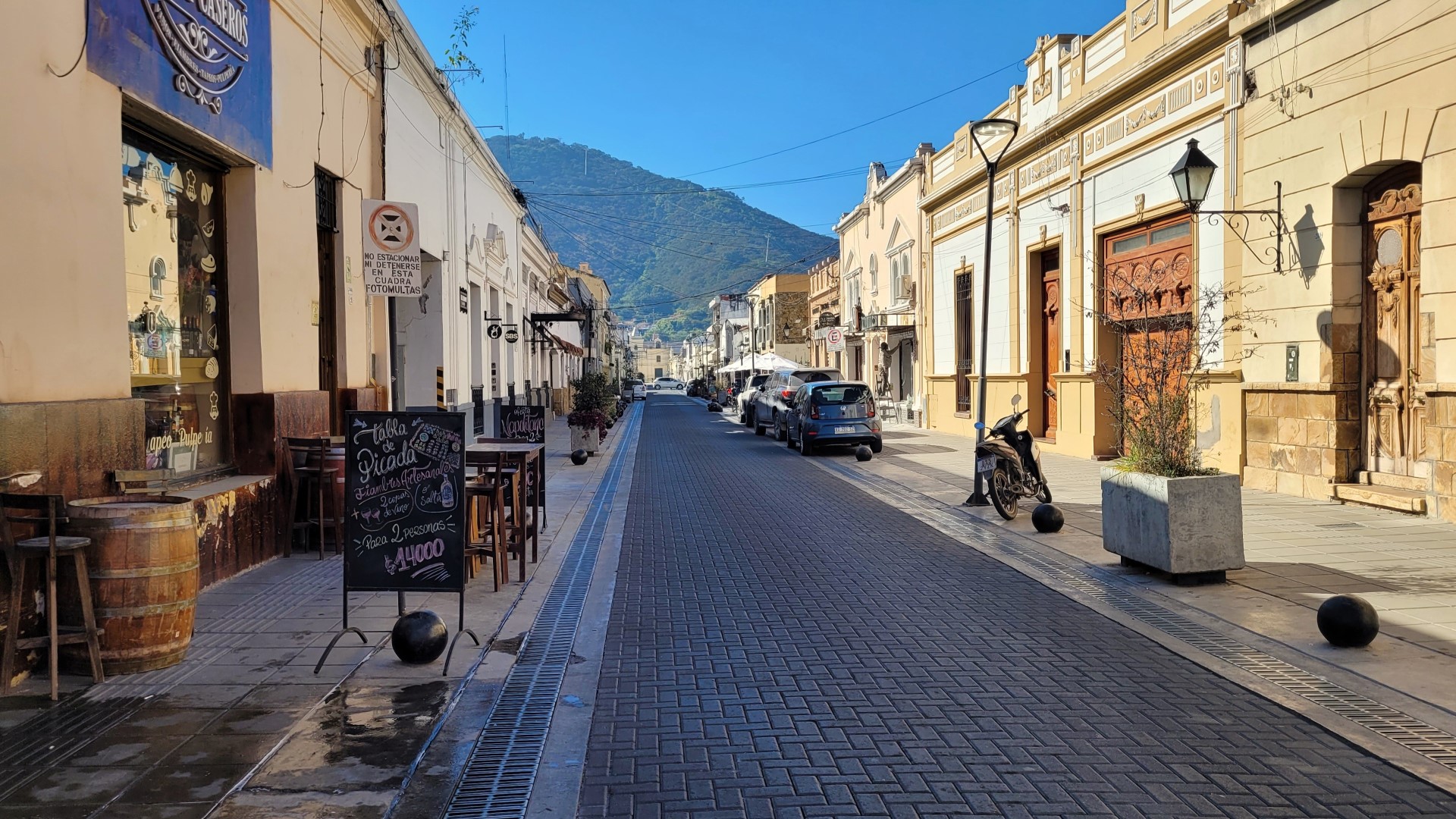
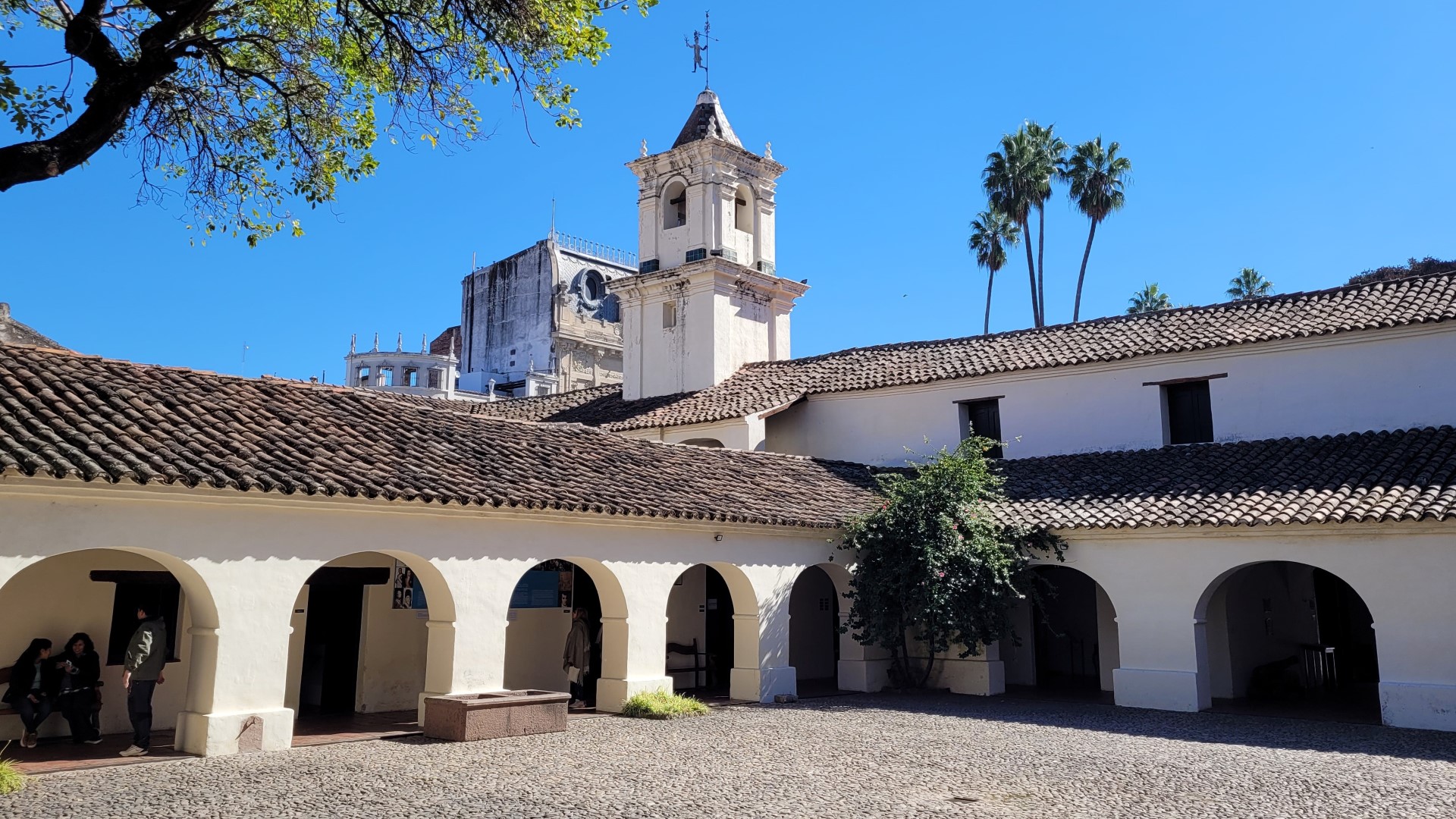
By the time the bus approached the urban center, night had fallen. In the busy streets of the pedestrian zone, framed by Spanish colonial architecture, the Bolivian influence became apparent. I got off at a brightly lit intersection and walked north to the apartment-hotel I had booked, leaving behind the chaotic urban life for a less developed neighborhood. Across from a deserted train track and surrounded by rundown houses stood a modern, newly built hotel with a coworking space, all secured with digital code access. The self-catering room was comfortable, with a hotel-style bed, a hairdryer, and a TV offering free movies—enough to drown out the sound of the many stray dogs barking at night.
Although my hotel had an outdoor pool, I wasn’t able to use it even once. The subtropical highland climate greeted me with several weeks of gray, gloomy, and depressing weather. It was almost winter, yet the leaves hadn’t changed color. In the absence of sunshine, the temperature quickly turned damp and chilly.
San Salvador de Jujuy: the entry to the Quebrada
1,259 m elevation | 270,000 residents
My next northbound destination was Jujuy, a town about a third the size and half the appeal of Salta. Along with two other passengers, I boarded a two-hour long-distance bus from Salta’s station and arrived in Jujuy in the late afternoon at the “Nuevo” terminal. From there, a local bus was needed to reach the city center, as the terminal is located on the outskirts of town.
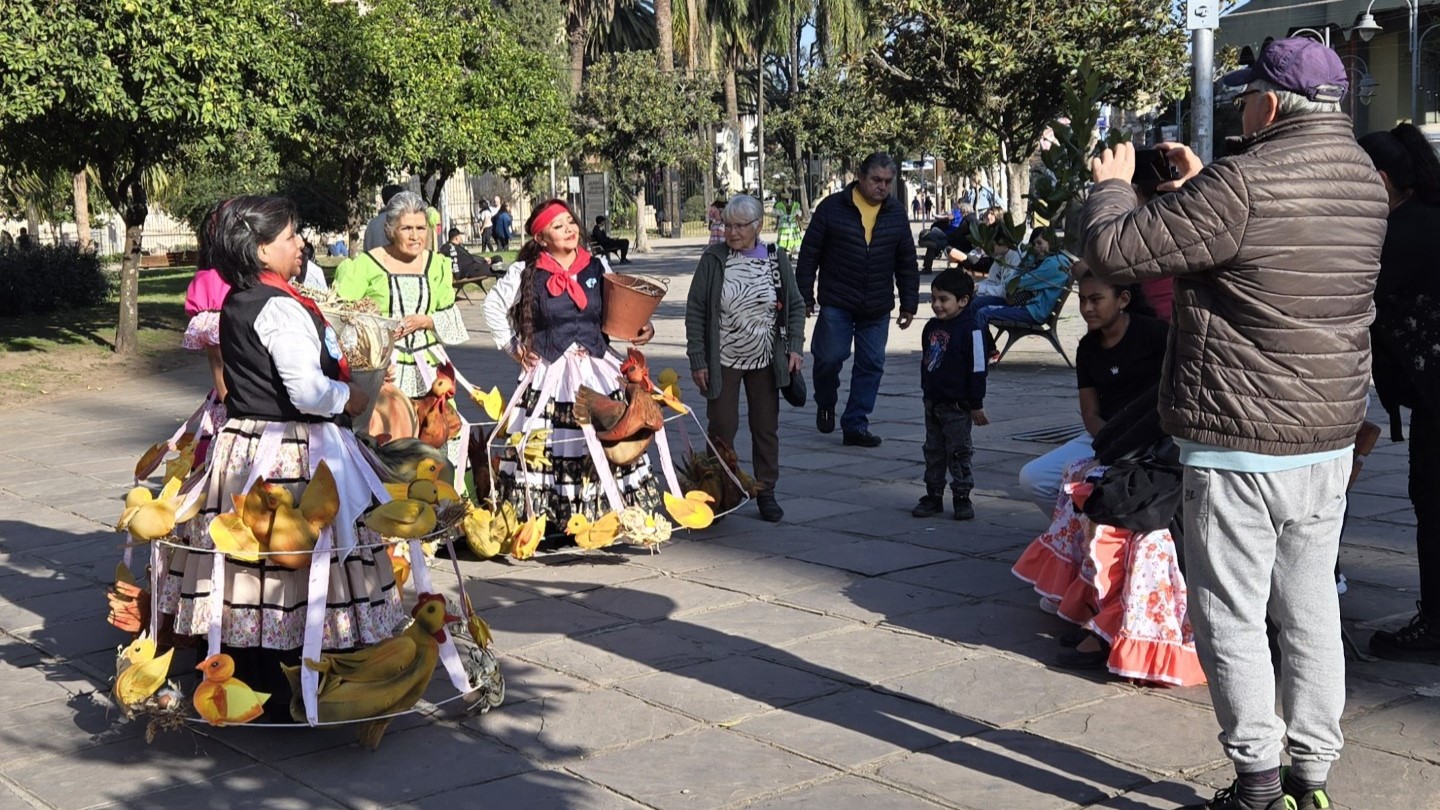
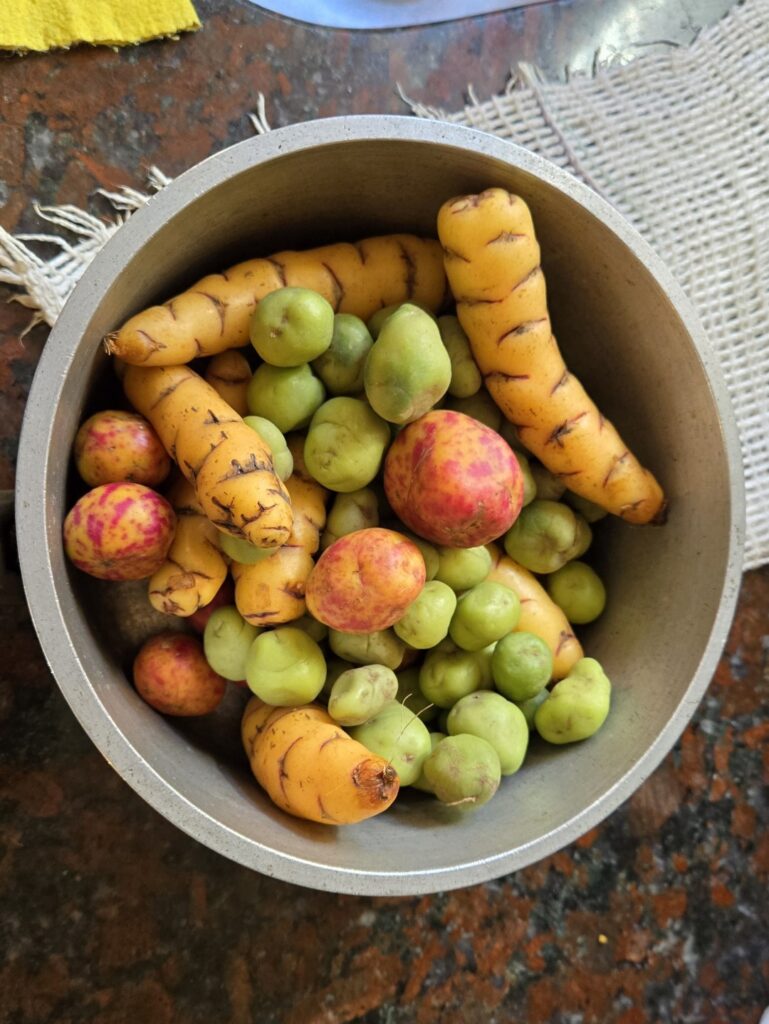
San Salvador de Jujuy was founded in 1593 at the crossroads of trade routes in the Andean foothills. In 1863, the city was flattened by an earthquake. Today, the urban area remains flat, and its population of 380,000 spreads across a plain on either side of a river, connected by several bridges. Despite the low density, the city feels safe, even at night. Most activity is concentrated around the old bus terminal in the city center, where the atmosphere is electric: lively open-air markets are filled with Quechua farmers selling colorful potatoes and corn kernels.
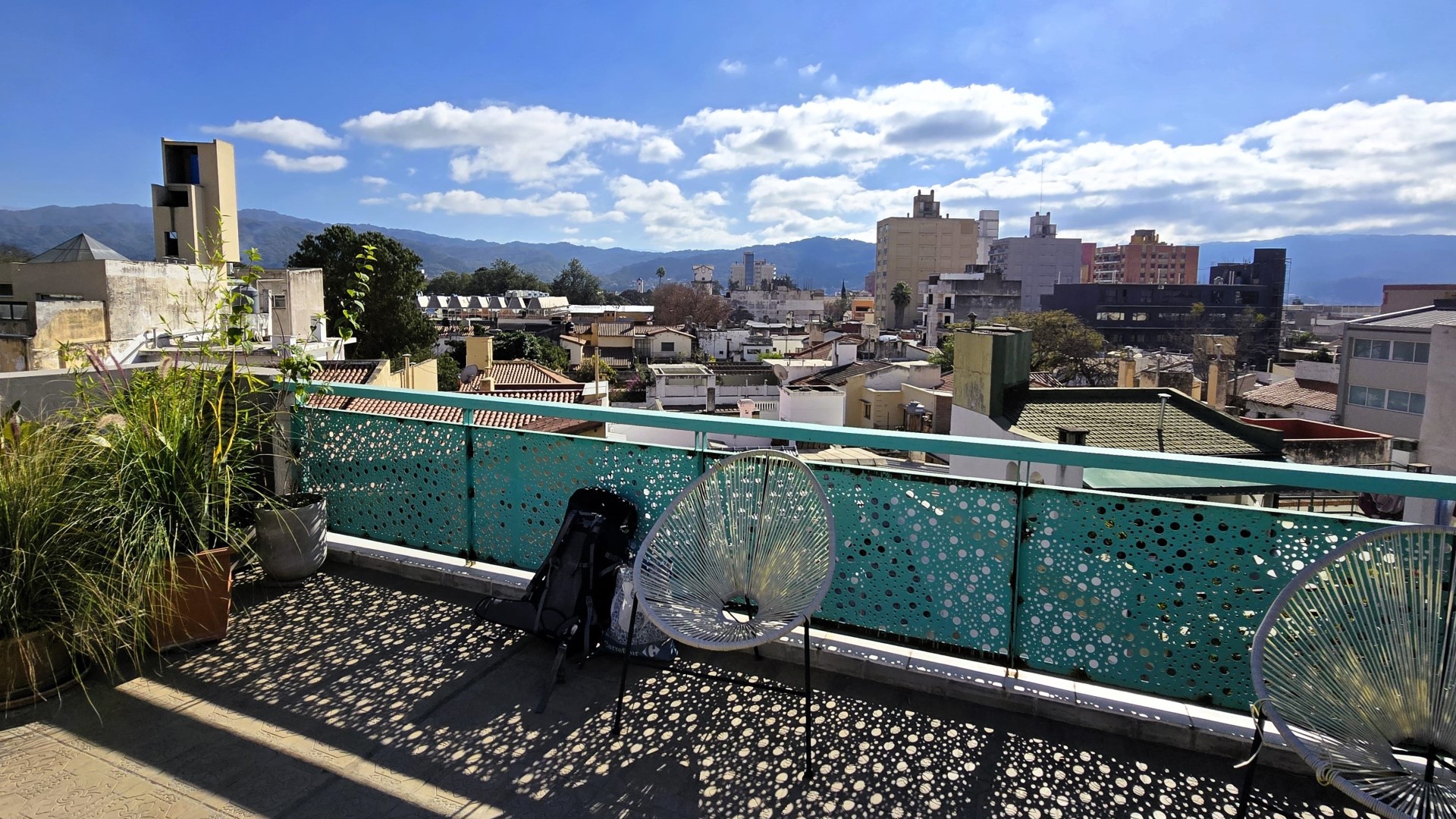
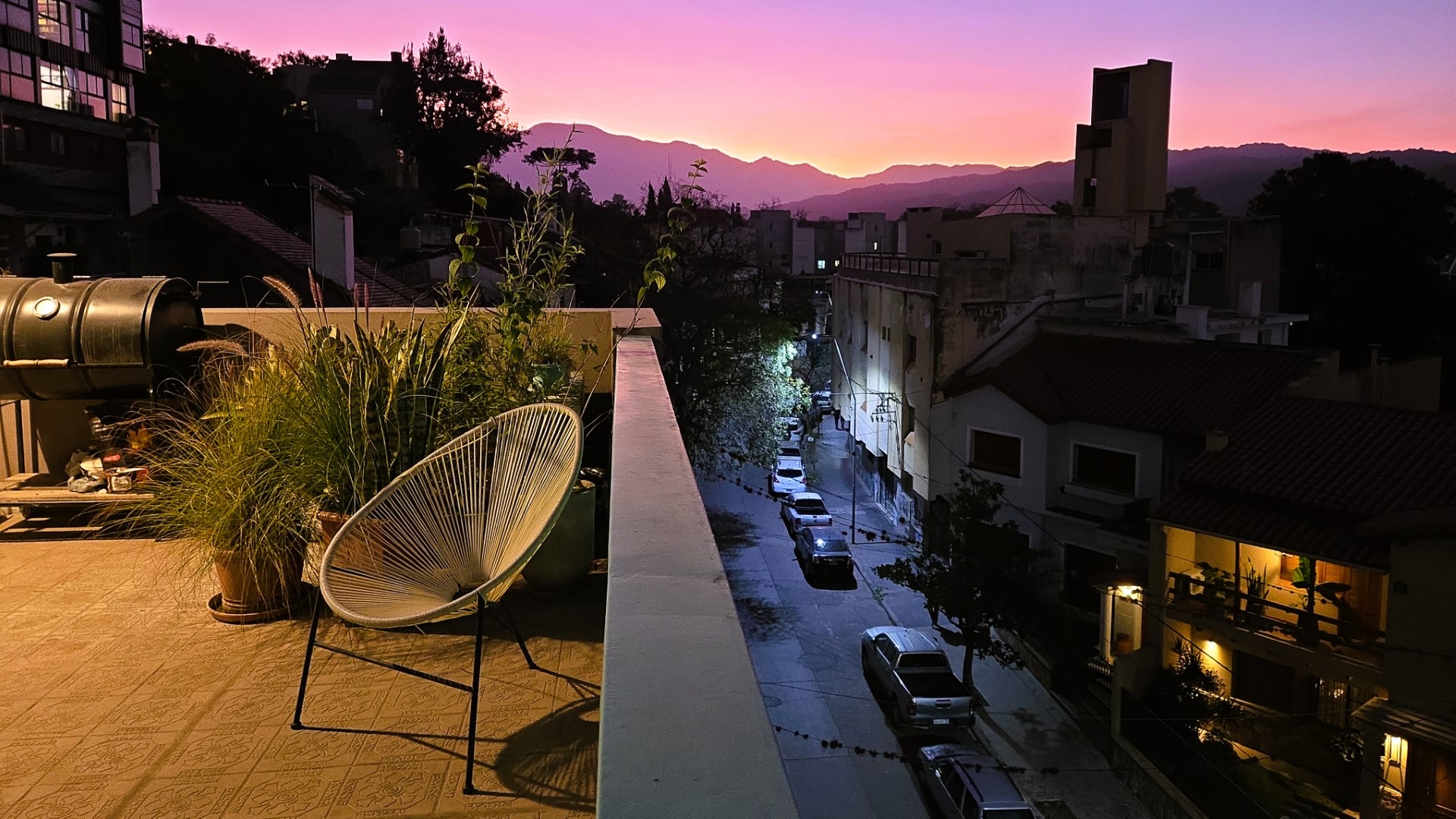
The city itself lacks conventional appeal and is mostly used by tourists as a base for trips into the stunning Quebrada de Humahuaca. Still, it became one of my favorite places to live. I grew attached to its unique atmosphere and its whimsical end-of-the-road feeling.
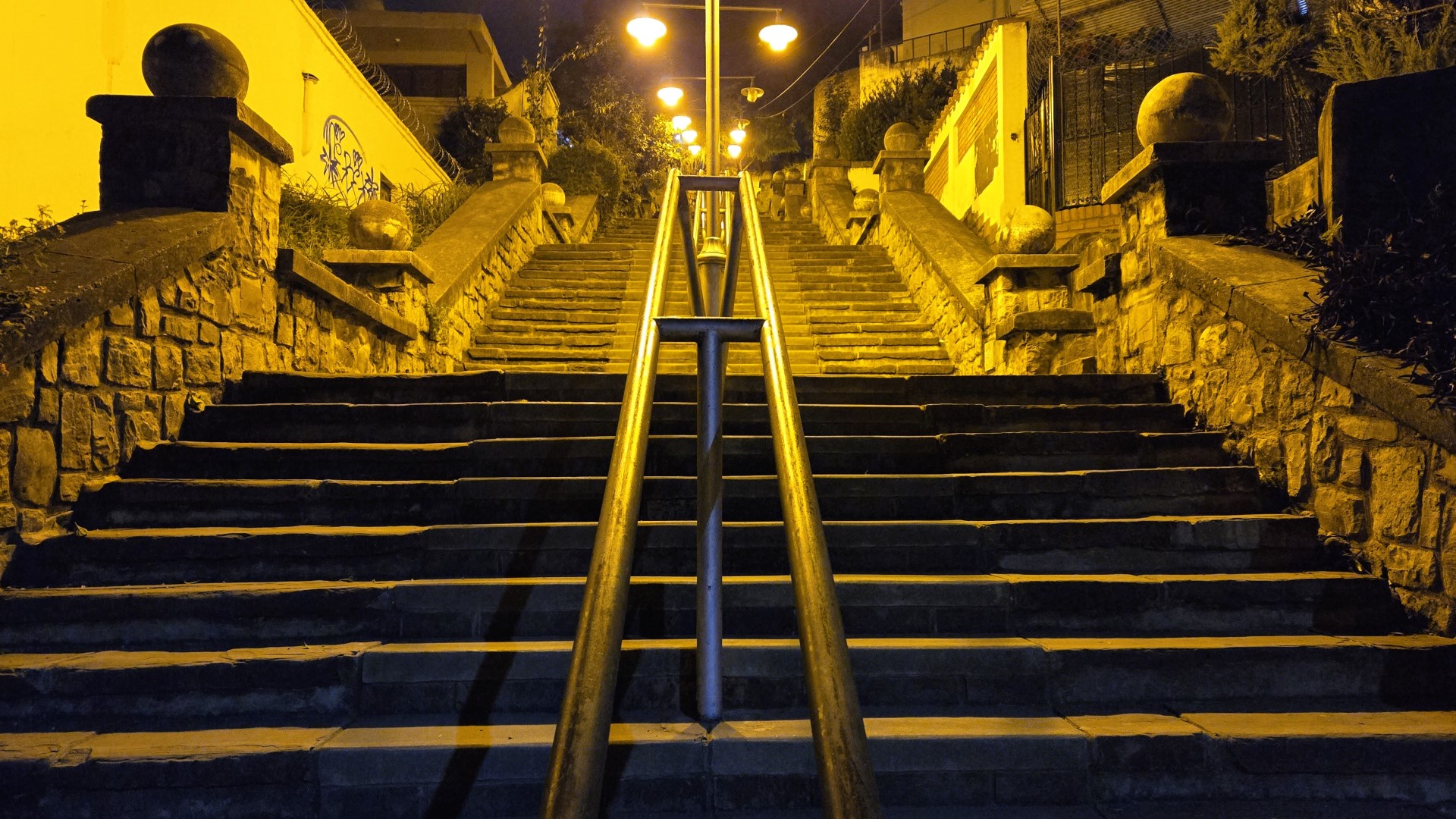
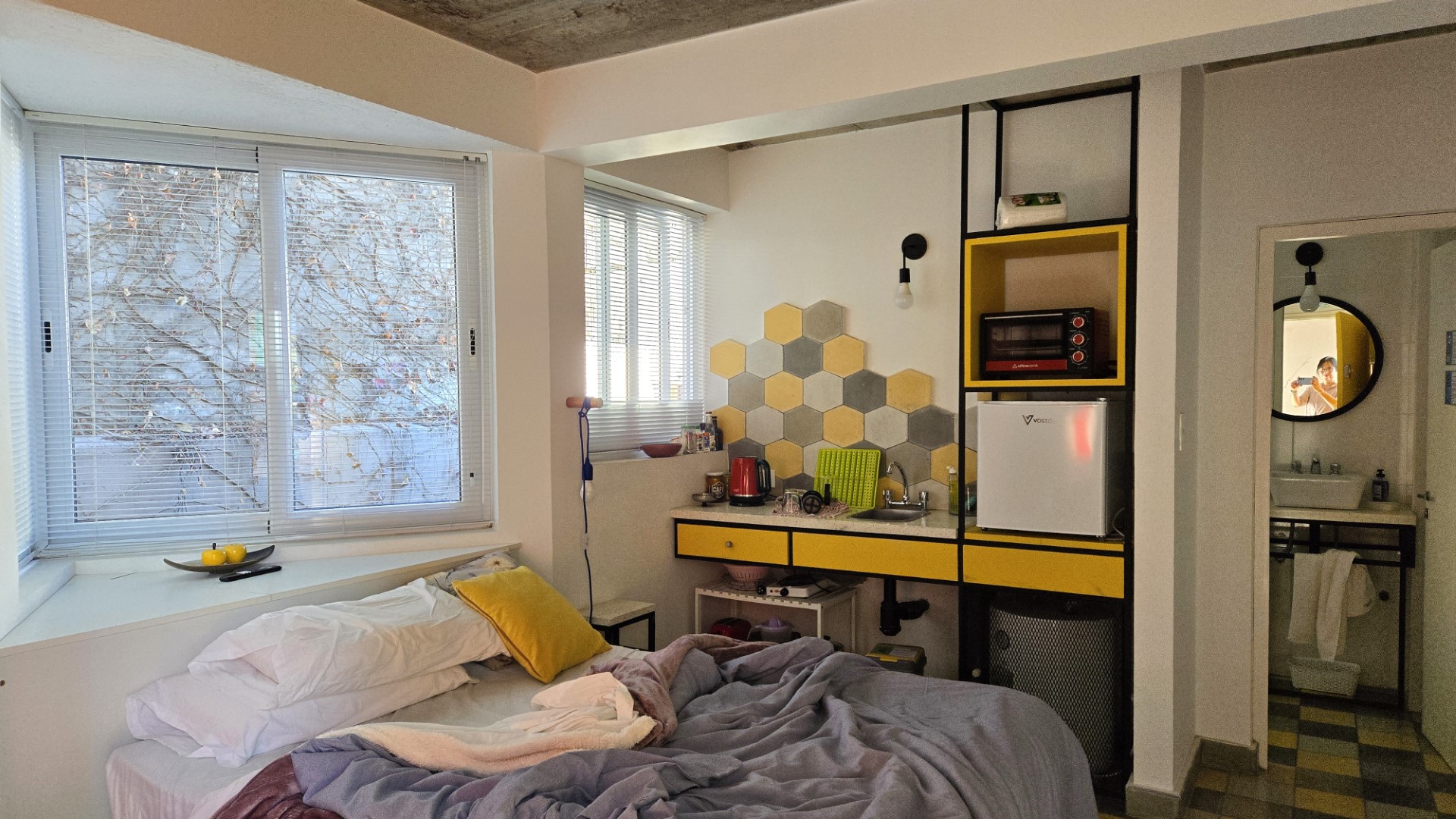
The two places I stayed certainly played a major role in shaping my experience. I started out in a funky, self-serviced budget hotel at 30 CAD a night. I had a private room with its own bathroom and a small kitchen, but the real show-stealer was the unconventional architecture. The building was carved into a mountainside, with open staircases, split levels, and unique room layouts. Many windows overlooked small internal courtyards where the wind came to die with a haunting howl. Just down the road, a public staircase climbed up to the plateau, where the city continued to spread.
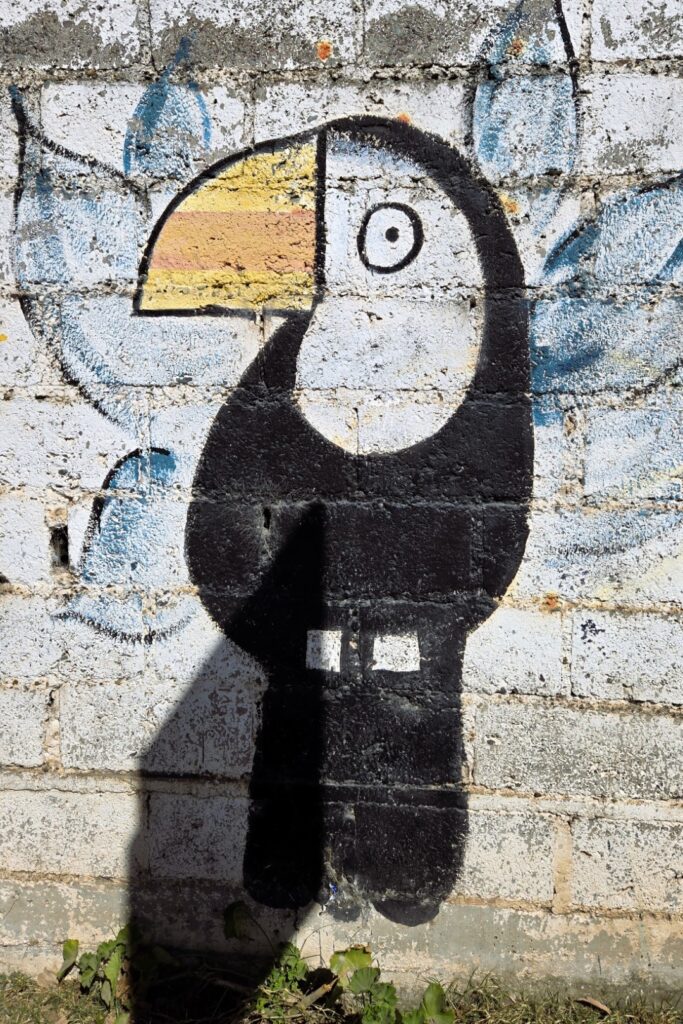
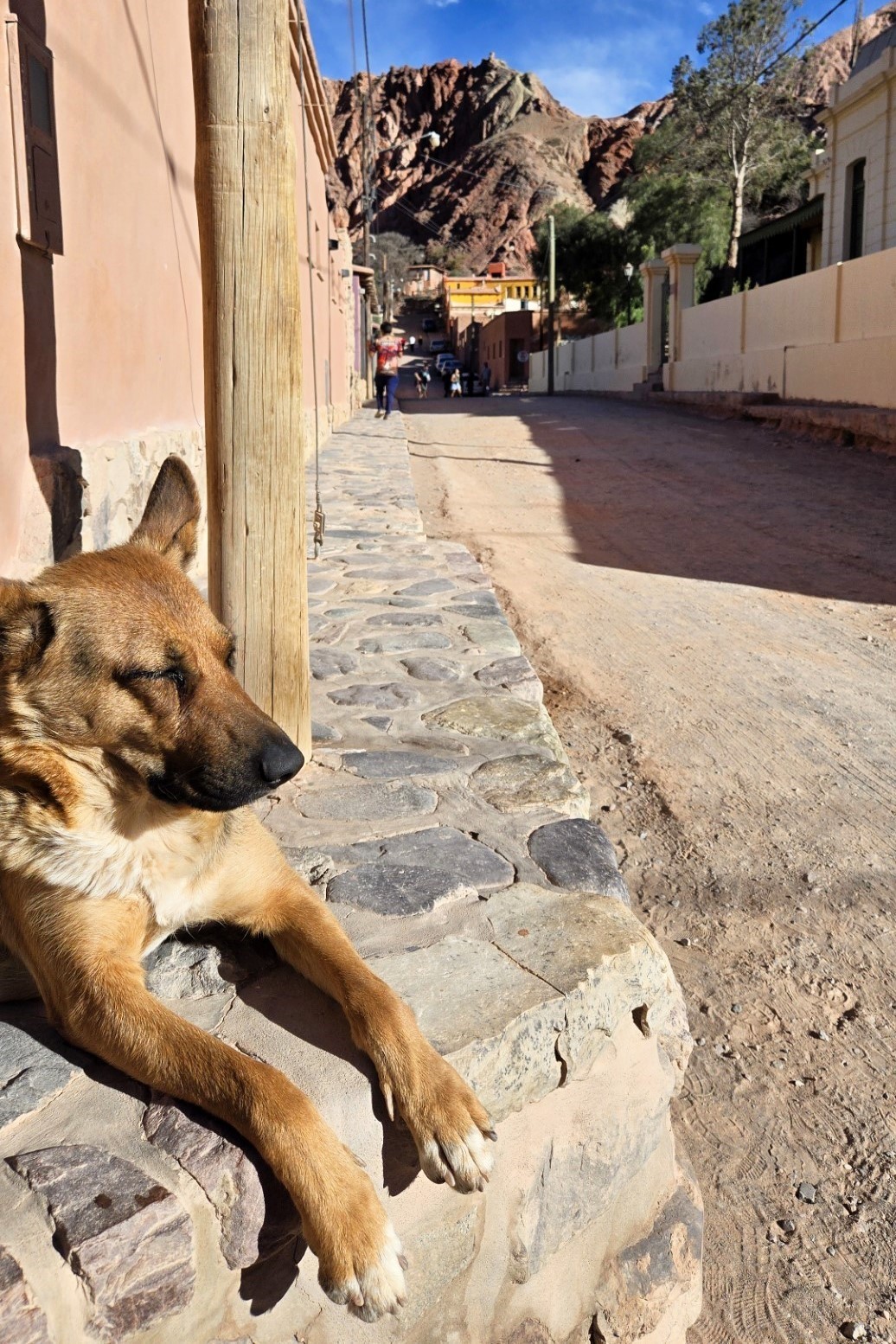
My second accommodation was across the river in an even more dispersed suburban area. It was a large house converted into a private hotel, owned by an elderly woman and her two aging dogs, all three of them a little unsteady on their feet but otherwise healthy and content. In the mornings, exotic birds visited the neighbourhood. Toucans appeared almost daily, soaring overhead or perching on the highest branches of towering trees, always just out of reach of the perfect photo.
Purmamarca and the Hill of the Seven Colours
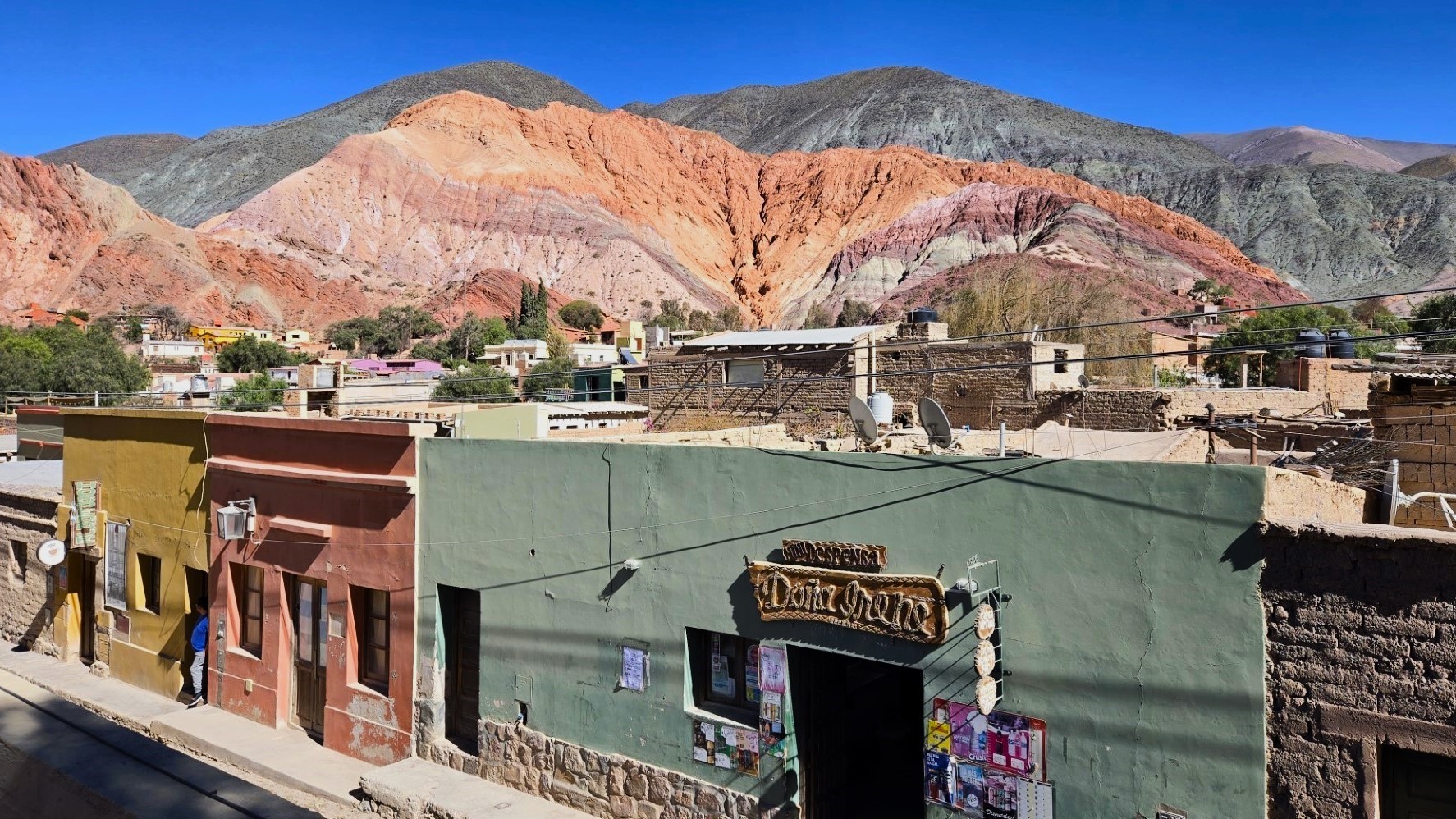
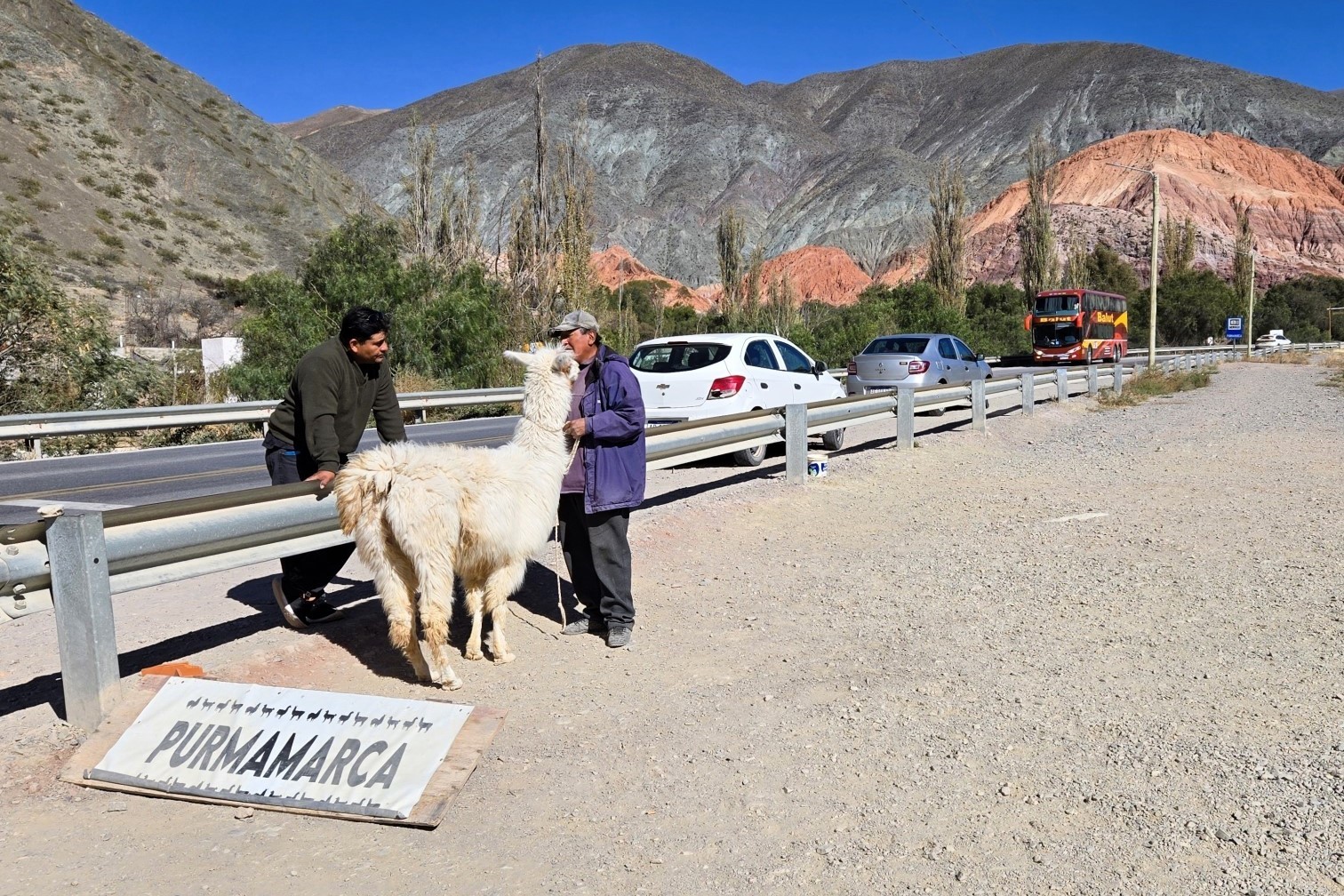
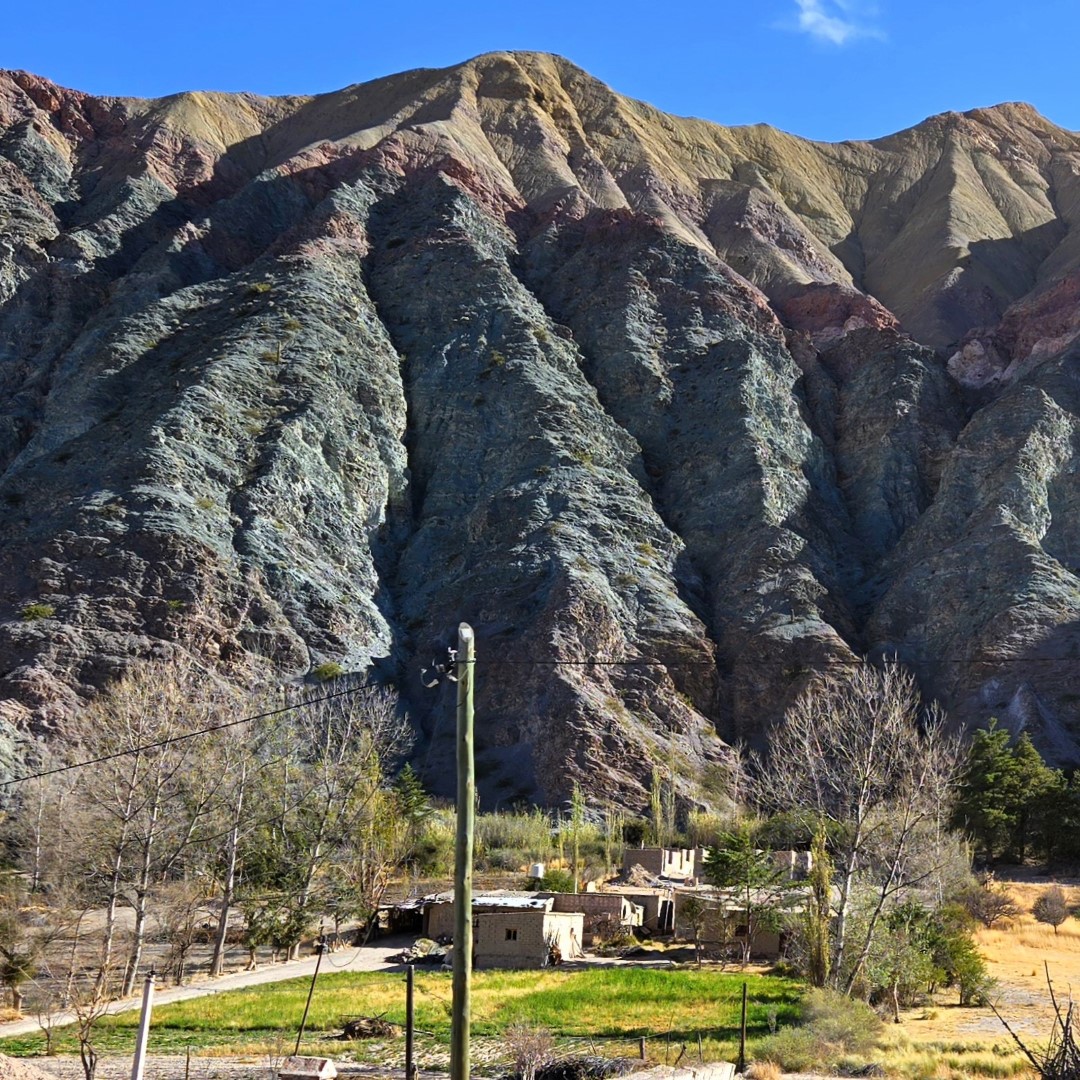
Purmamarca is a touristy village nestled at the foot of the Cerro de los Siete Colores (Hill of the Seven Colours) and serves as a starting point for visits to the Salinas Grandes. Long-distance buses leave the Jujuy terminal every hour and stop along the deserted road to pick up more passengers. I made the trip on a warm, sunny holiday weekend, and the bus was completely full.
A few days later, I would leave for Tilcara, a small tourist town, and would not visit another major city until Sucre, Bolivia, a month later.
Tilcara: the Base for Exploration
2,465 m elevation | 6,250 residents
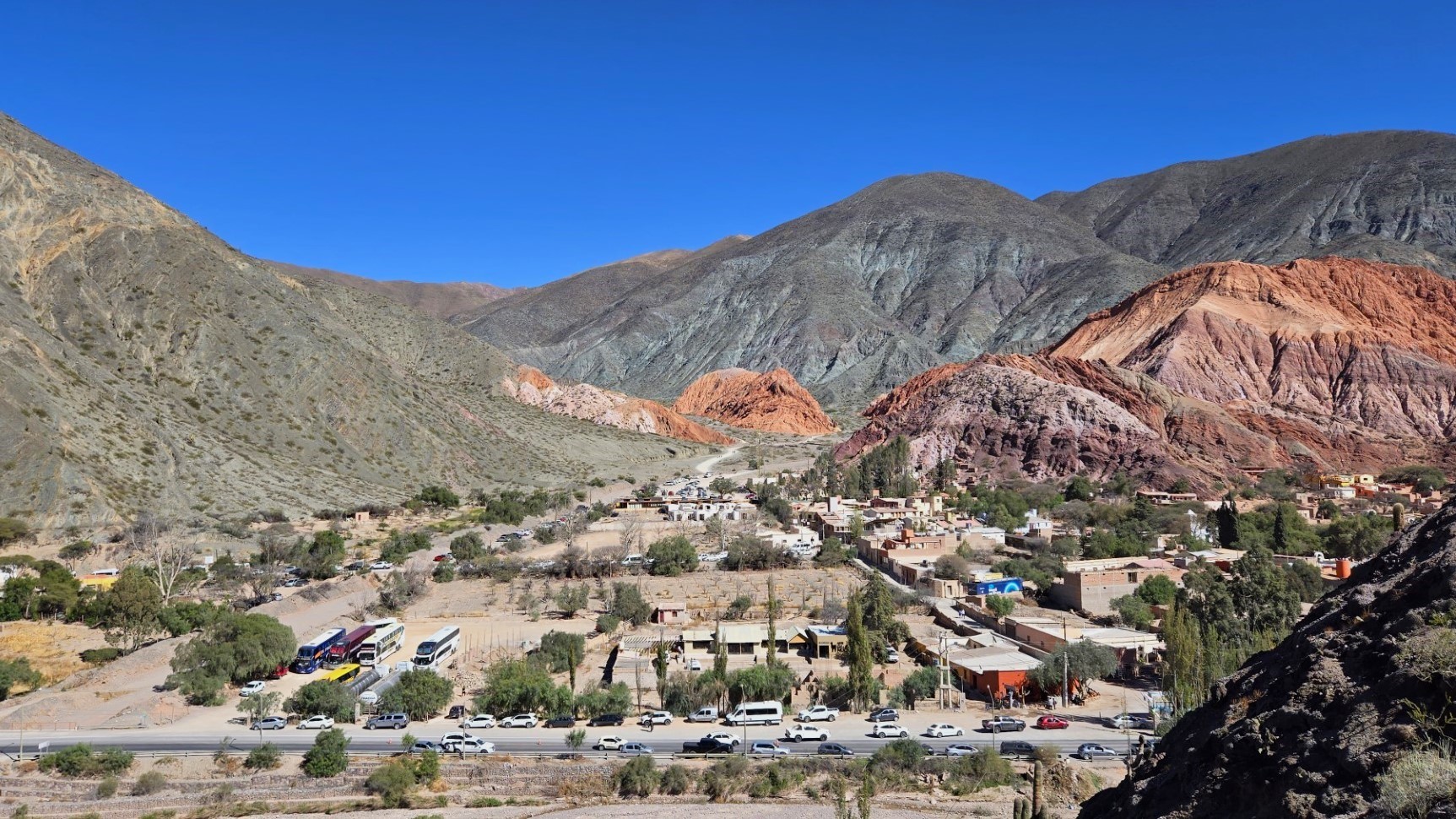
This charming and comfortable village, curated with tourists in mind, makes an ideal base for exploring the Quebrada. You’ll find yourself at the heart of the region’s main attractions, surrounded by a contemplative landscape framed by colorful mountains. The town offers a selection of restaurants and, more importantly, a functioning Western Union, where you can stock up on essential banknotes in this cash-only region, as banks do not accept international cards.
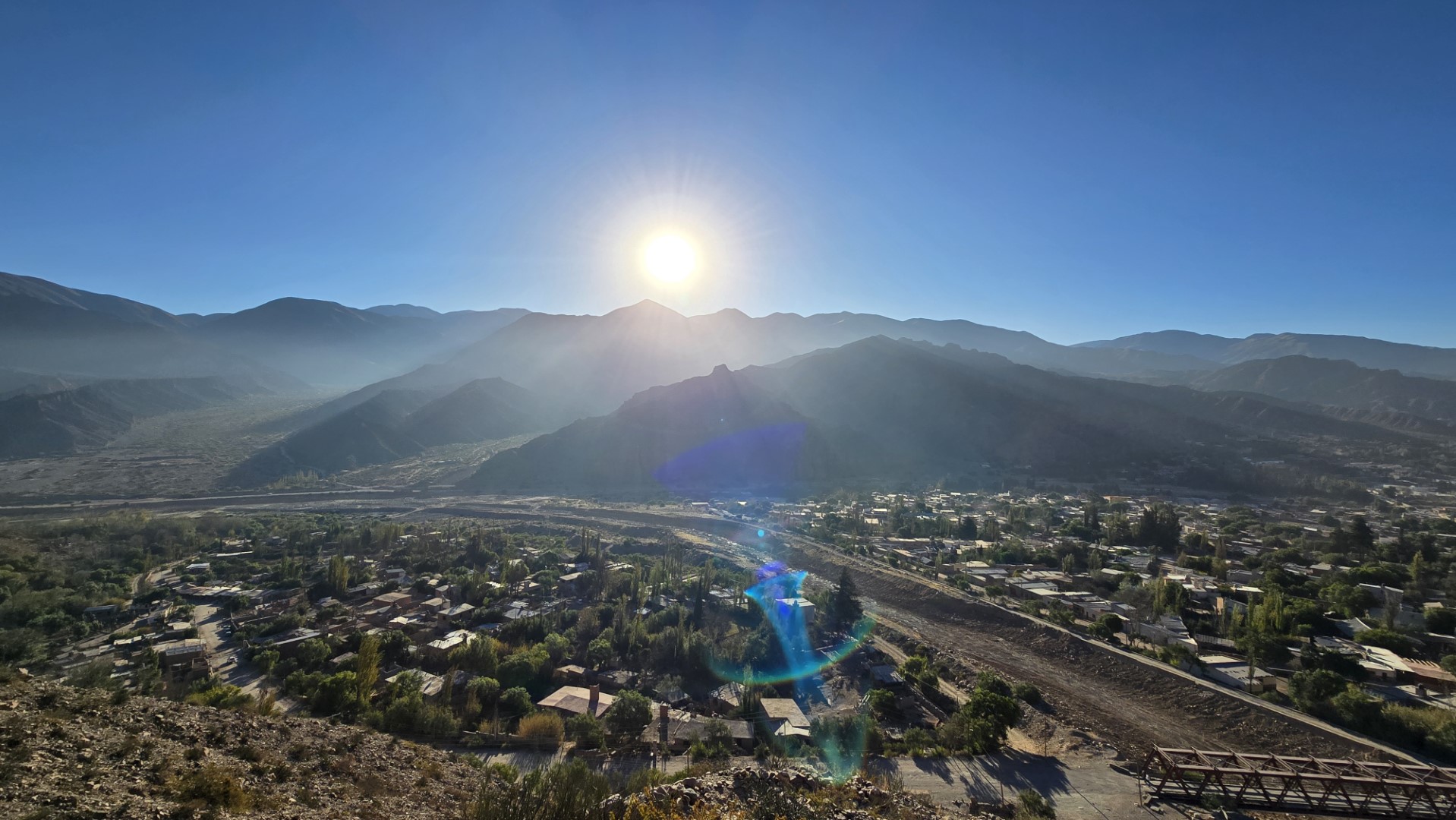
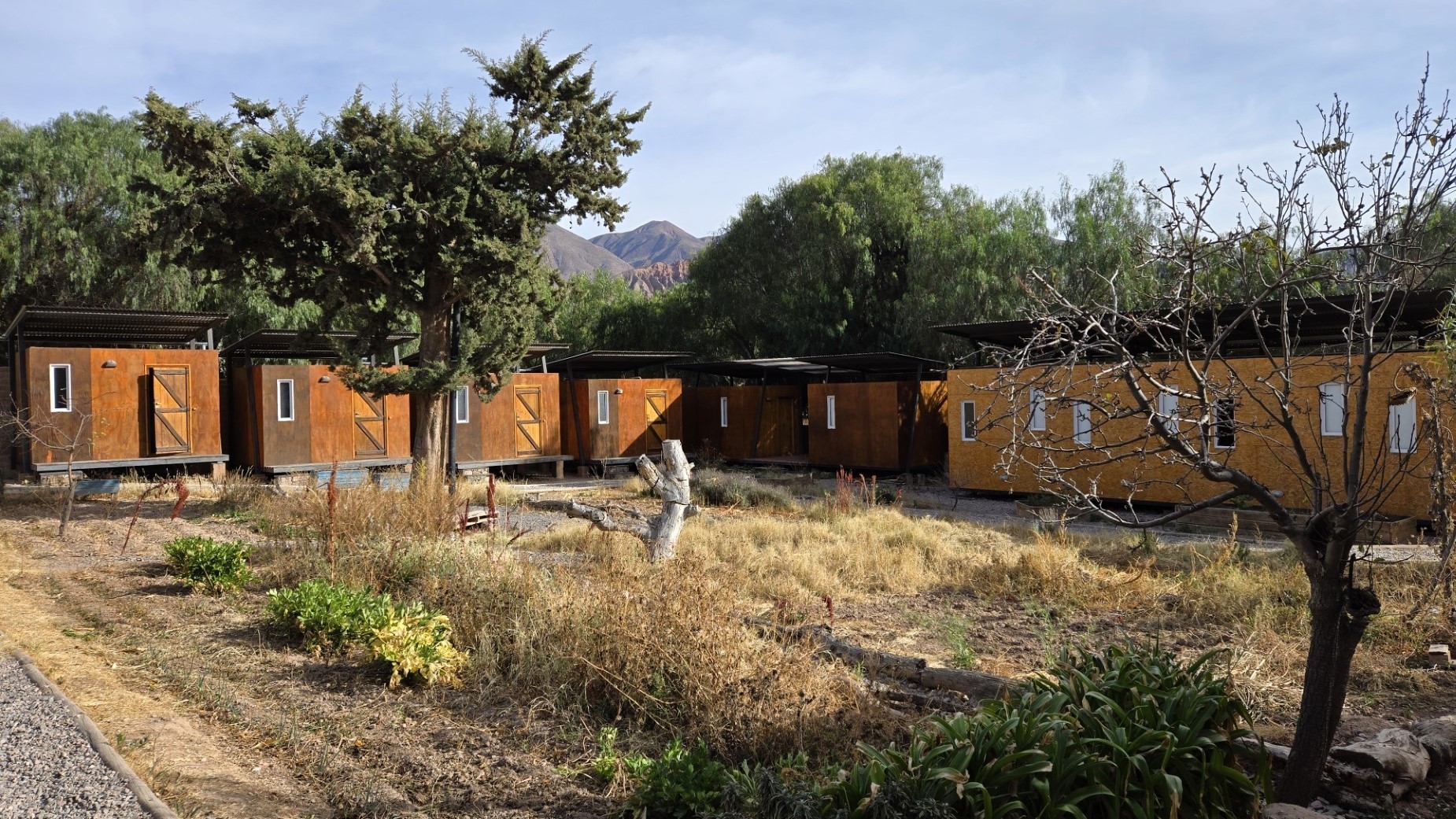
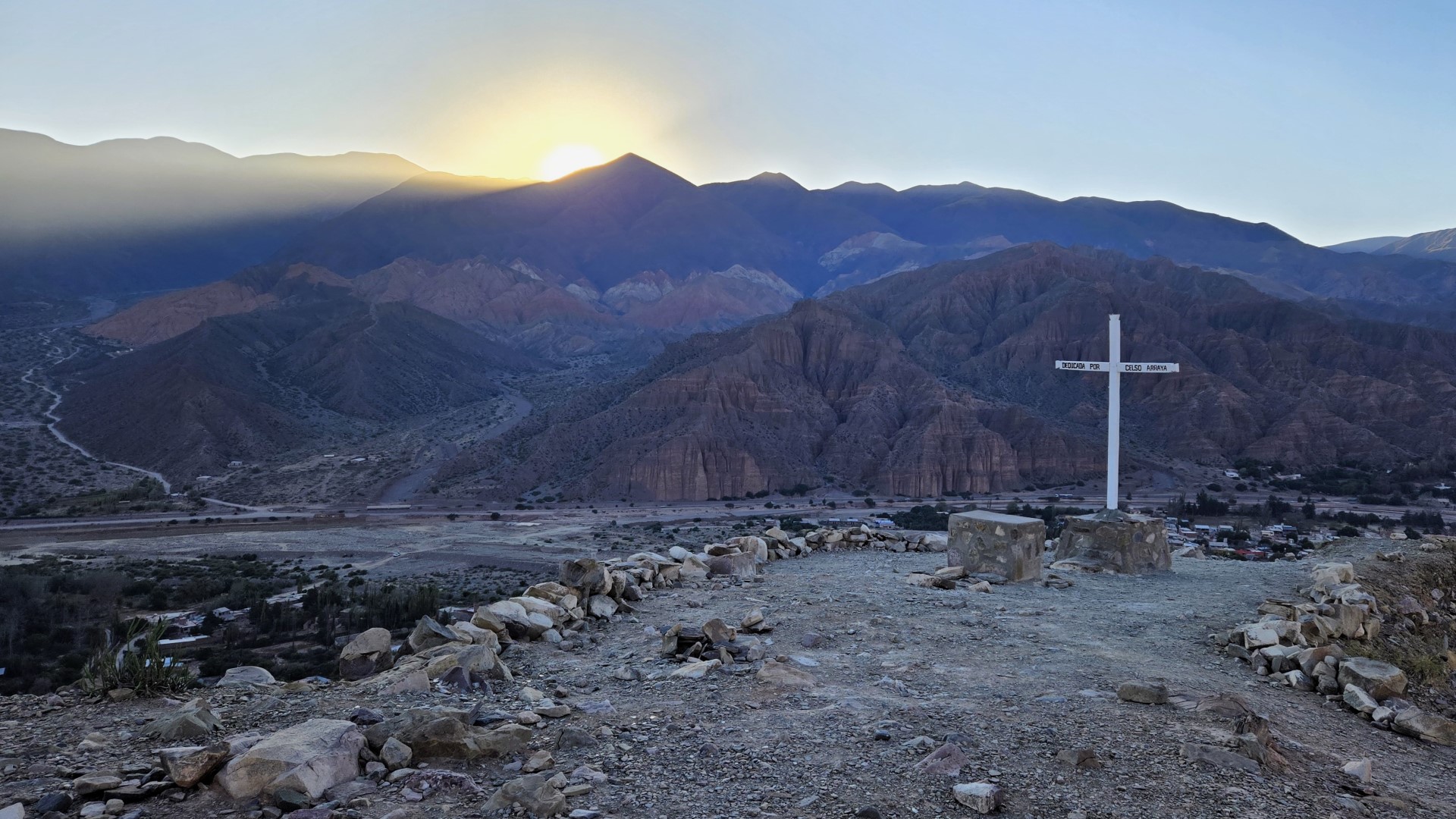
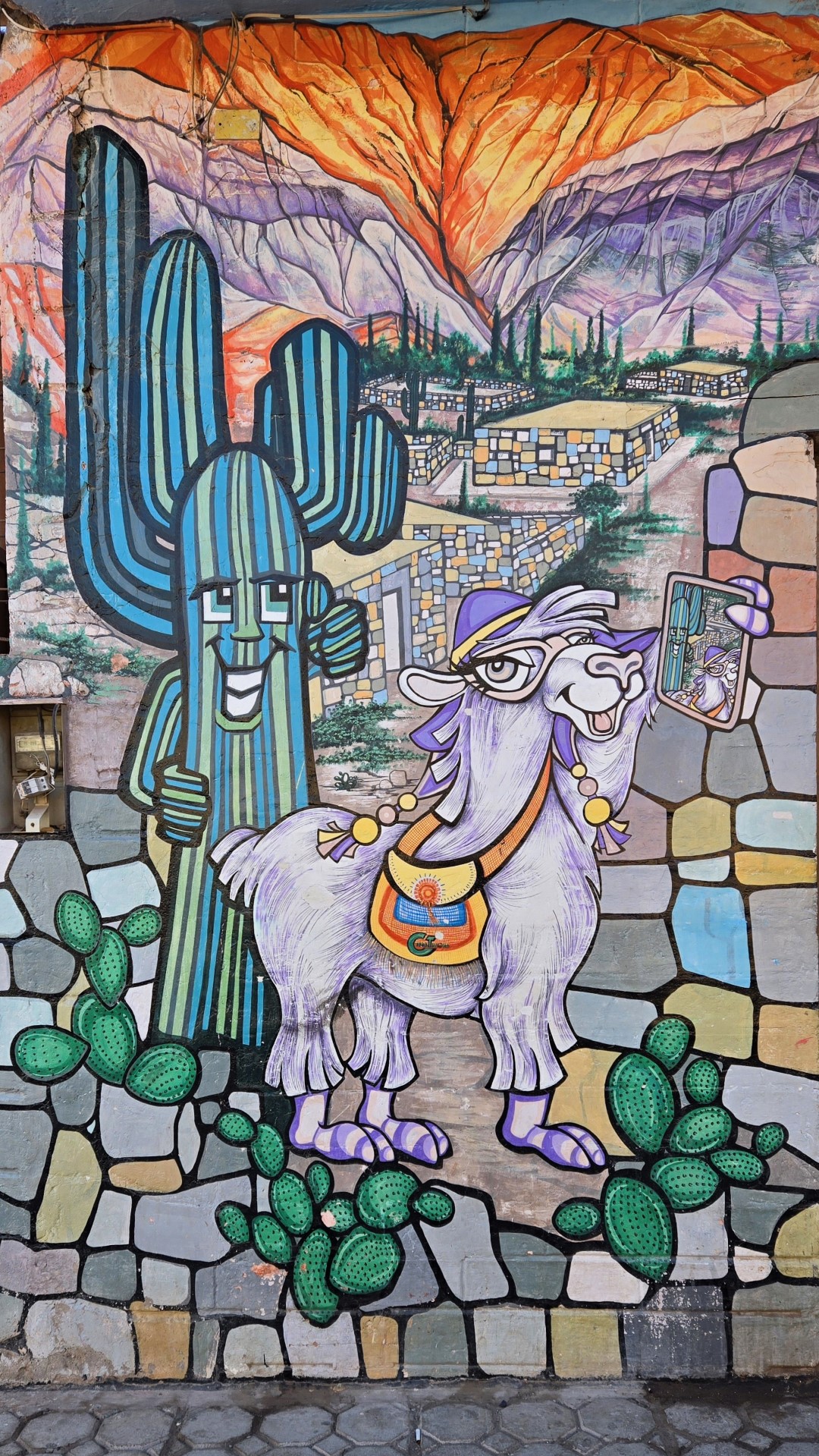
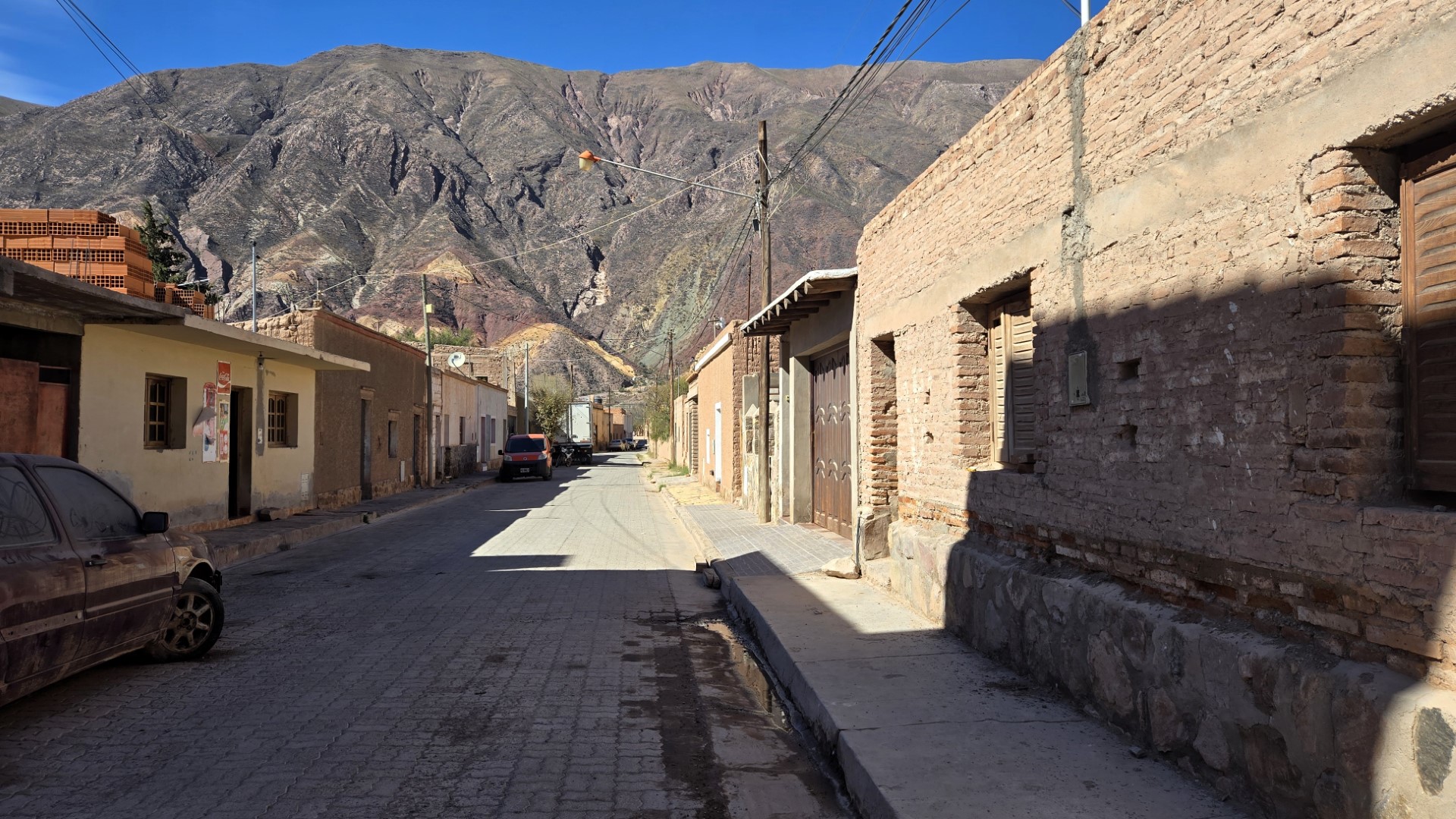
For activities within the village, you can hike up to La Cascada del Diablo, an easy trail that rewards you with impressive views over the ravine. You can also walk—or flag down a passing bus—to Maimará, a smaller and even more tranquil village. While there isn’t much to do once you arrive, Maimará has an ultra-modern, tourist-oriented train station that feels slightly out of place.
Salinas Grandes: Argentina’s Great Salt Flats (3,450 m elevation)
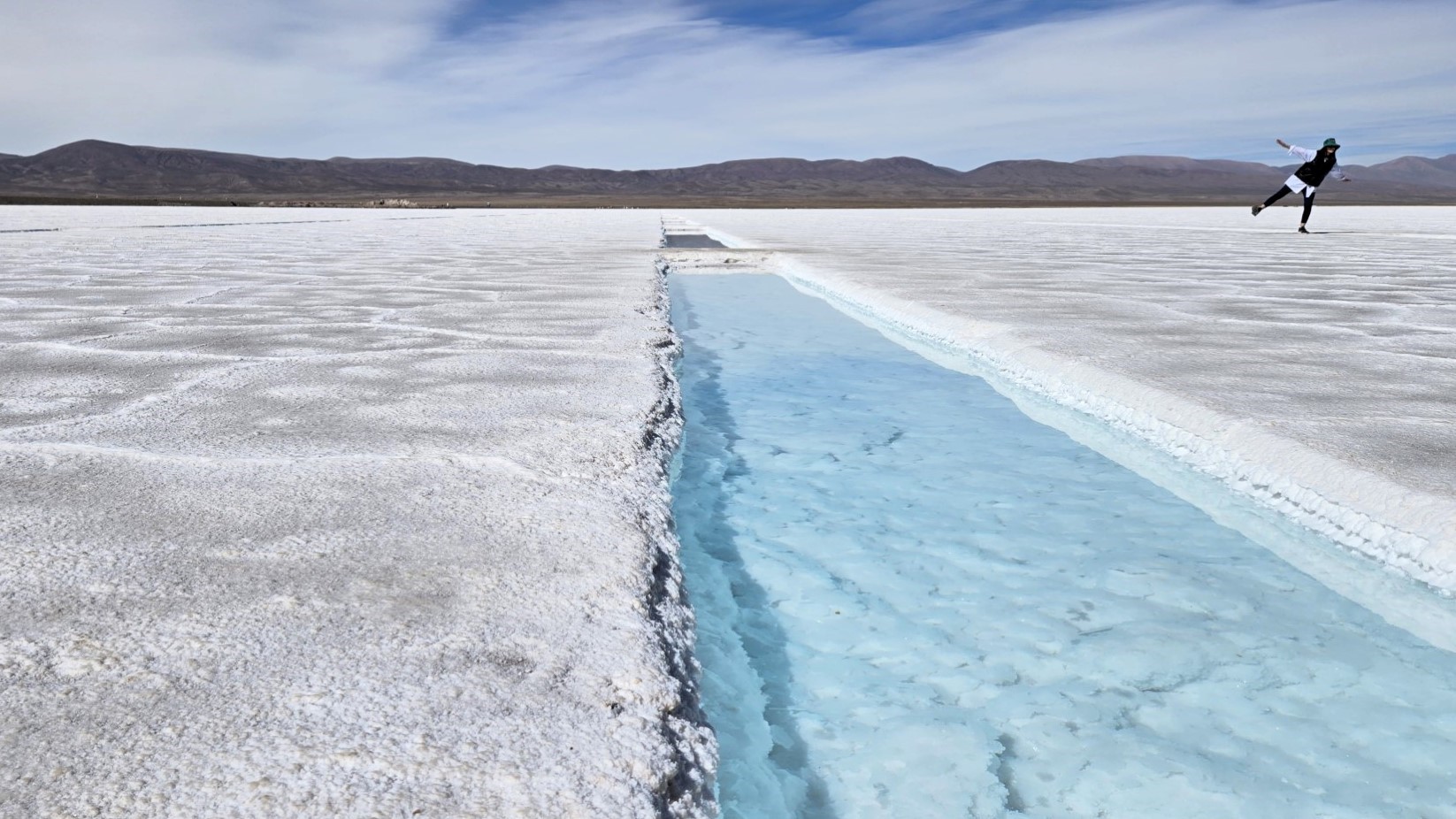
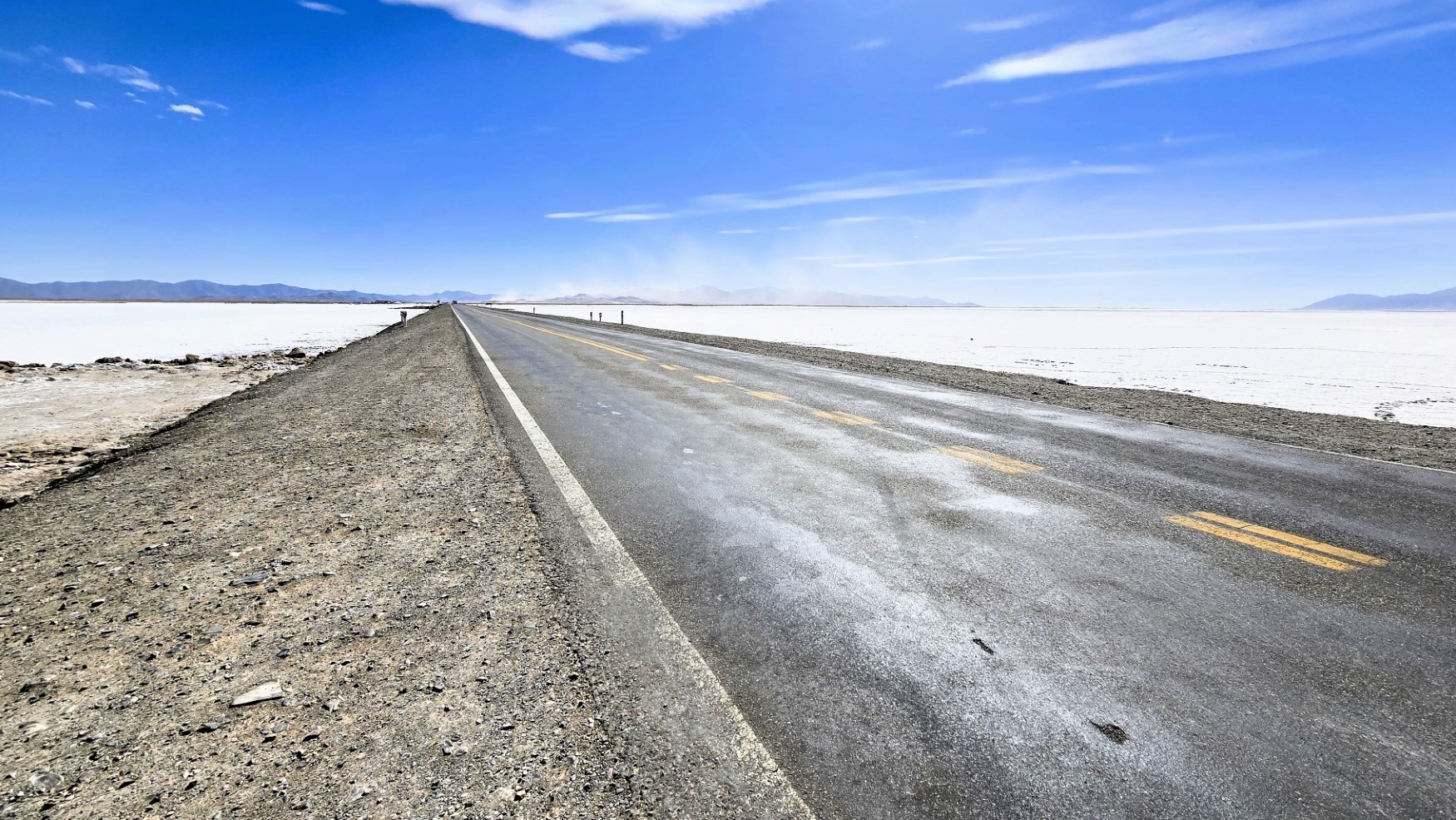
Covering an area of 120 km² across the provinces of Salta and Jujuy and sitting at an altitude of 3,450 metres, the Salinas Grandes are the fourth-largest salt flats in South America. I visited on a day trip from Tilcara, riding up into the mountains in a shared taxi. In my case, that meant a private car with a guide, two chicas from Buenos Aires I’d met at the glamping site where I was staying, and another Argentinian traveler.
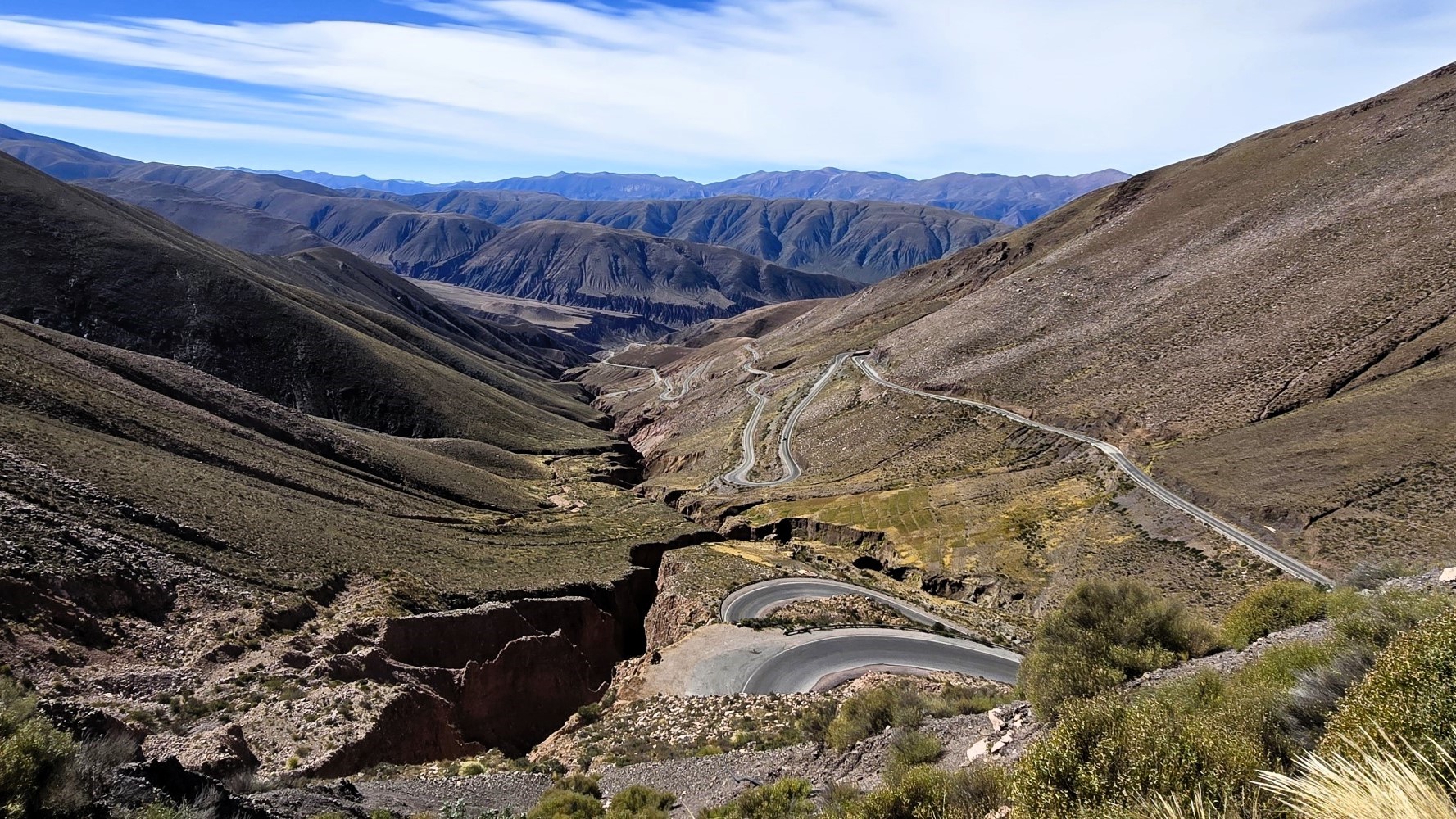
Our driver drove the twisty mountain road without a seat belt while scrolling through his phone and chatting with us. We arrived in one piece alongside the tour buses, and the salt flats were already full.
Humahuaca, San Salvador de Jujuy
3,012 m elevation | 20,000 residents
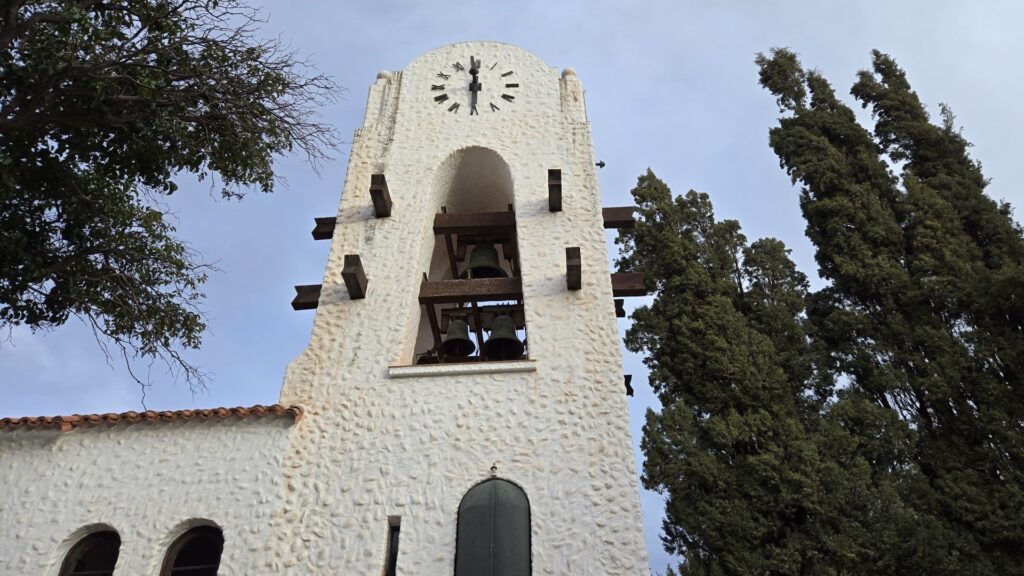
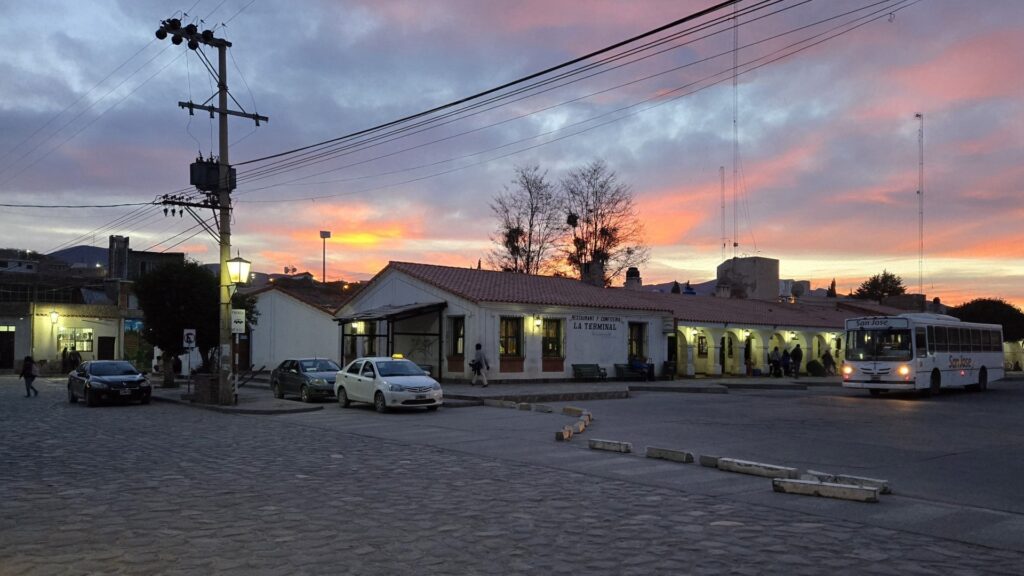
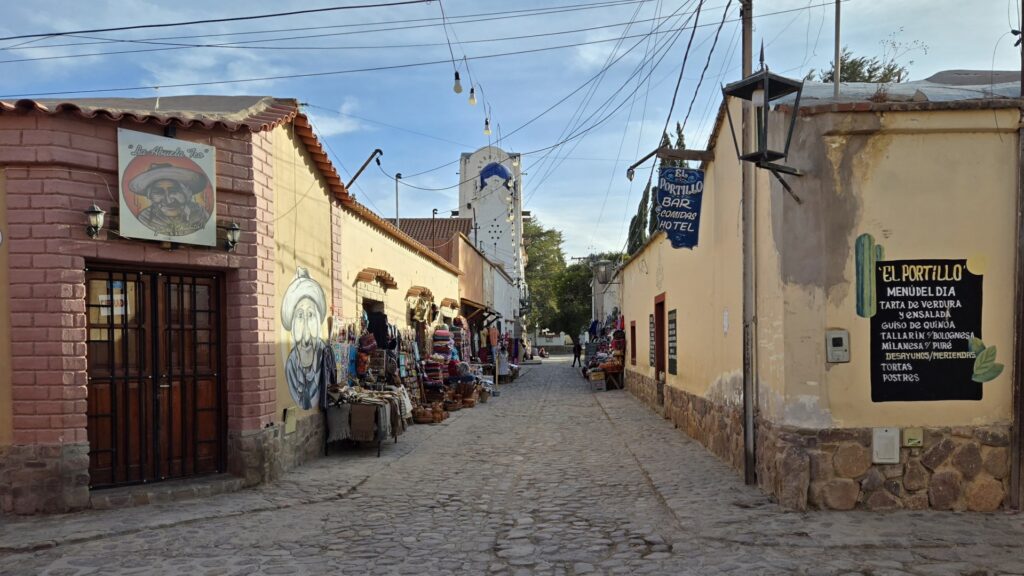
Dustier and more rustic than Tilcara, Humahuaca has a small but charming center, made up of just a few short streets. It serves as the departure point for the main attraction, afternoon trips to the Hornocal mountains, and is also only a 15-minute bus ride from Uquía, where you can explore the Quebrada de las Señoritas. While there are a handful of hostels in town, options become quite limited if you’re looking for a private room.
Quebrada de las Señoritas
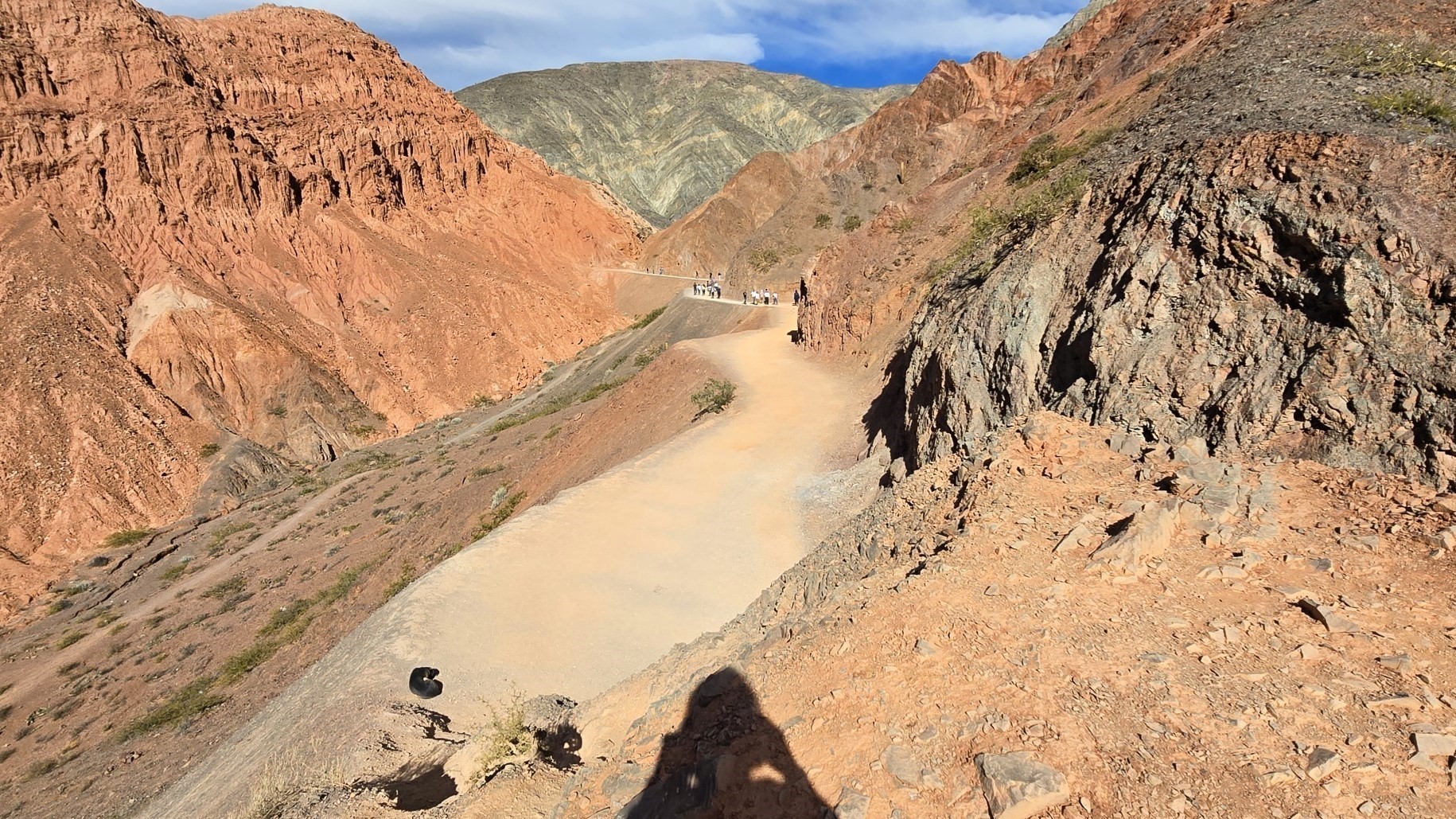
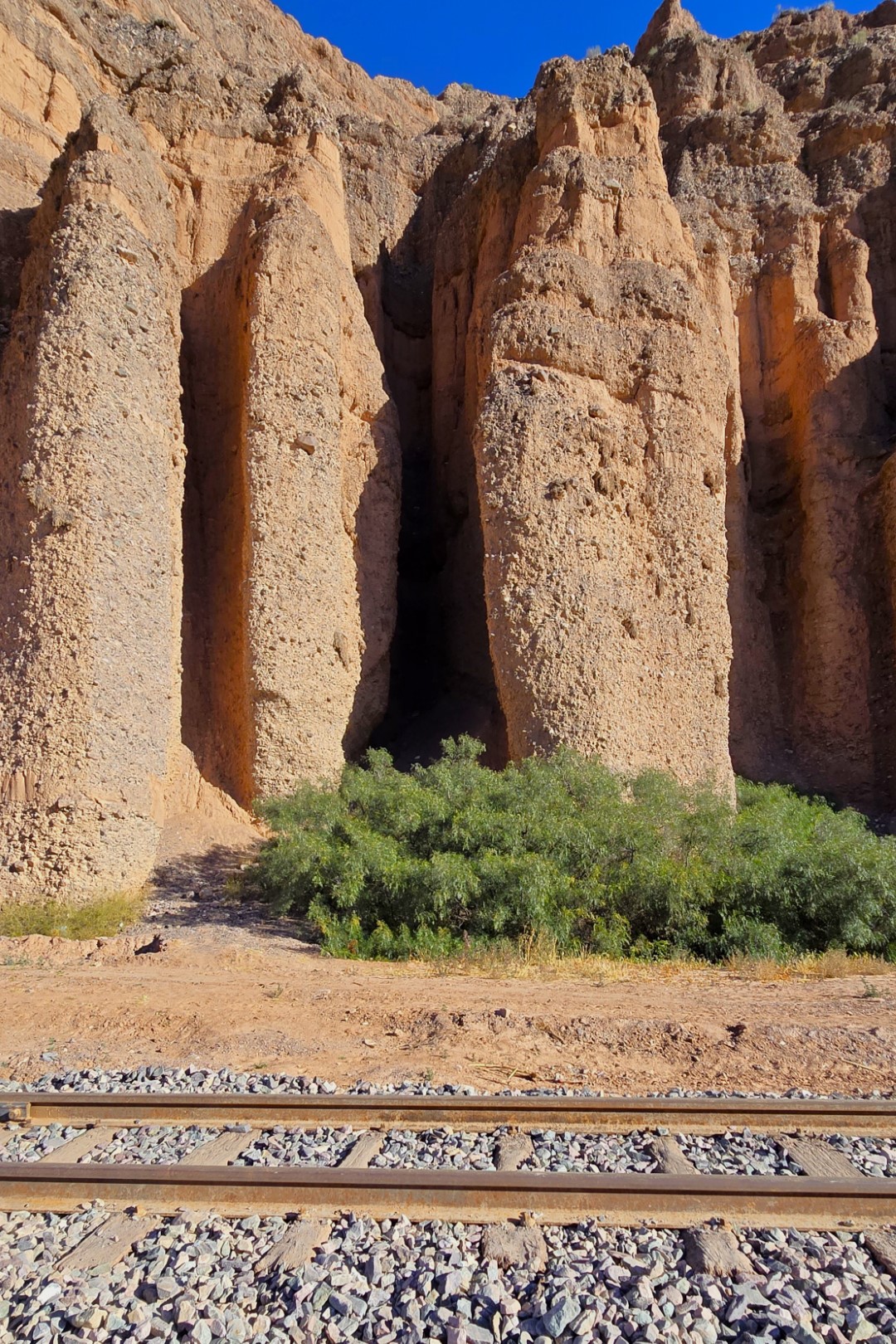
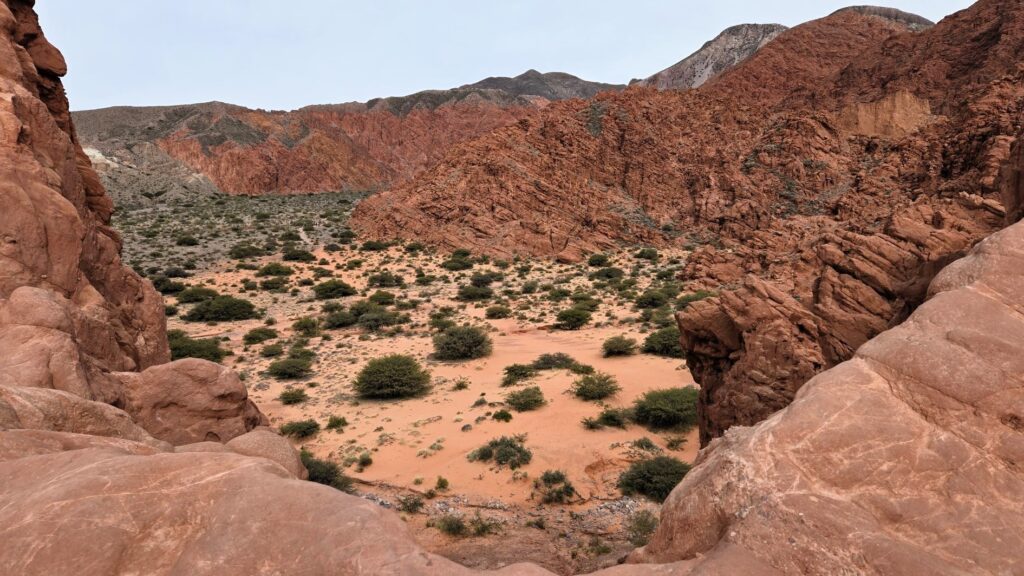
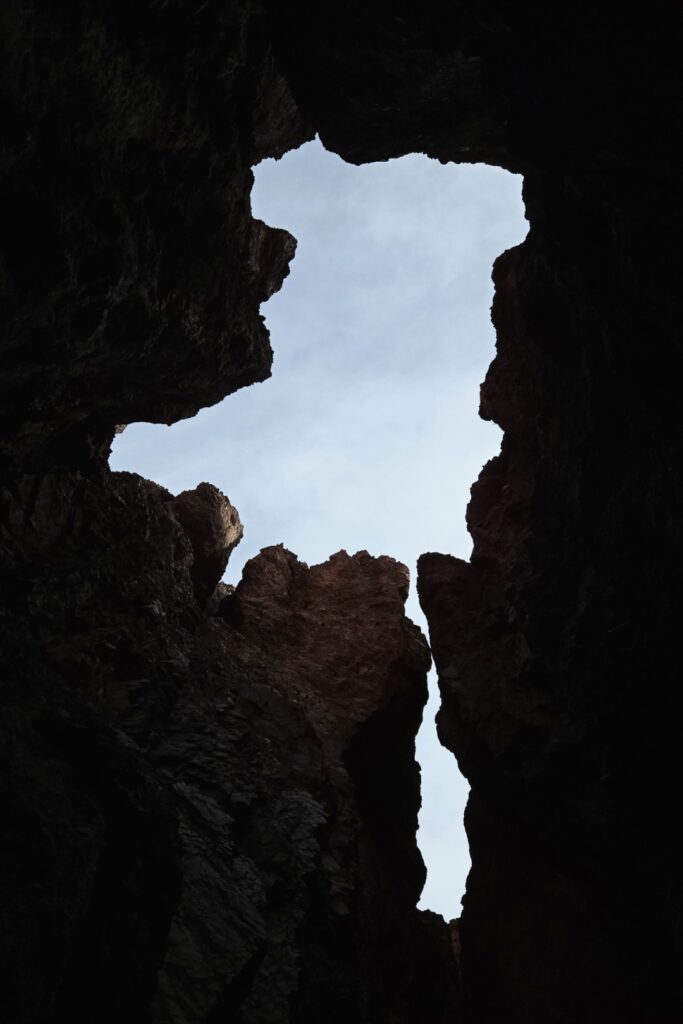
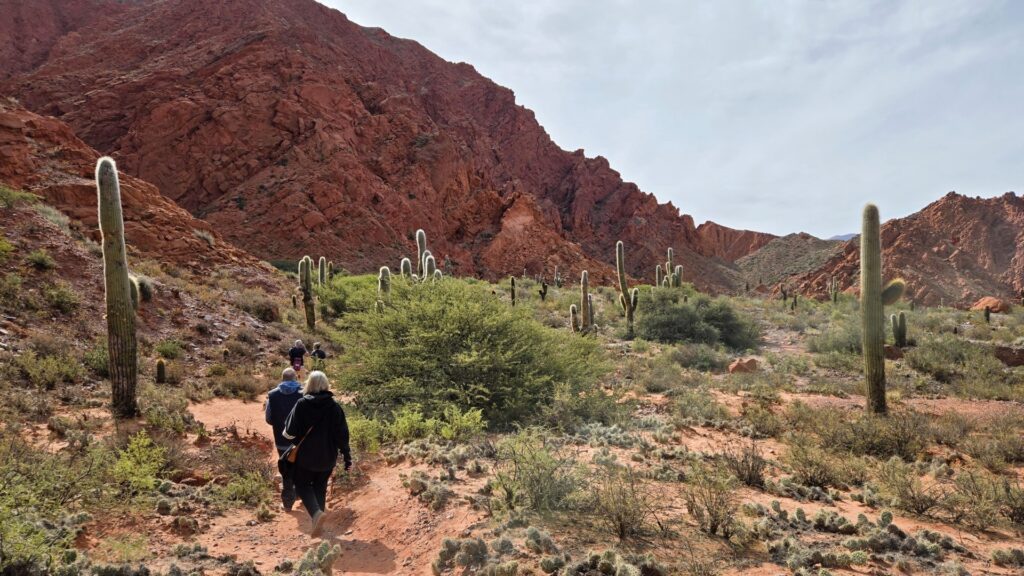
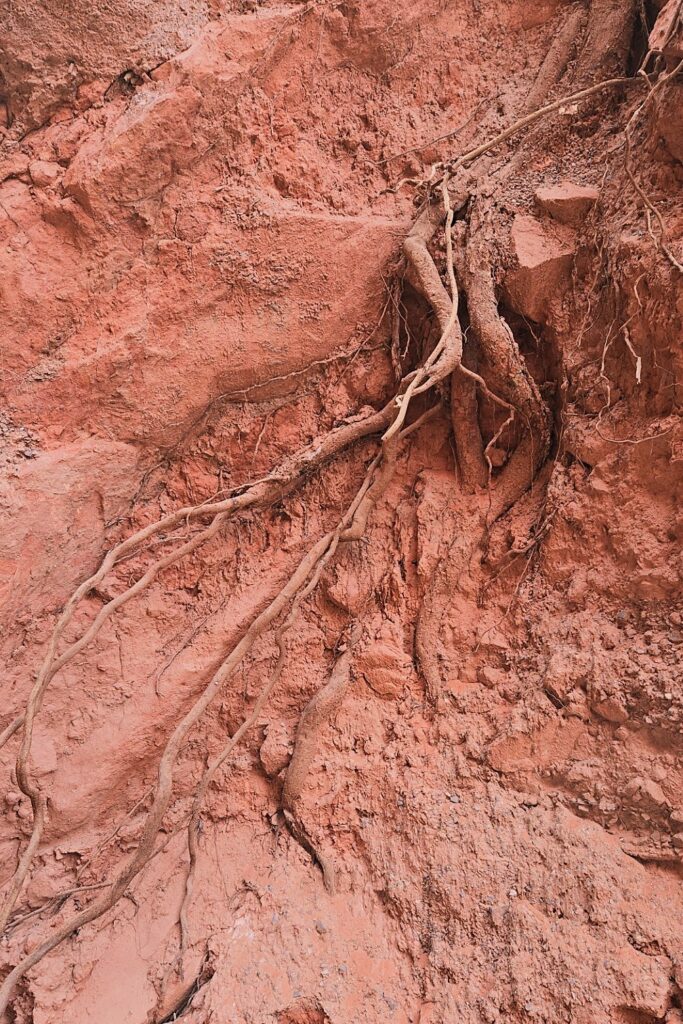
Quebrada de las Señoritas is a lesser-known spot in northwest Argentina, located near the town of Uquía. Over millions of years, wind and water shaped to tall rock formations into figures appearing to wear long dresses, hence the name of the place. As you walk through the narrow canyon, layers of red, orange, and light-colored stone rise around you, changing with the light of day. The path is easy to walk and requires a local tour guide, available at the entrance. The high-altitude setting provides intense sunlight and clear skies, perfect for photos.
Serranías del Hornocal
The Serranías del Hornocal rise to 4,761 meters above sea level and are famous for their strikingly layered, colorful rock formations. These limestone strata, called Yacoraite, stretch beyond Argentina into the Bolivian Altiplano and as far as Peru. The mountains are easily accessible from the Humahuaca bus terminal, where tour representatives organize afternoon excursions, filling jeeps with travelers and providing a driver-guide for the journey. Visiting later in the day is ideal, as the low-angle sunlight brings out the mountains’ most vibrant colors.