For my first trip to Peru, I chose to skip the usual “gringo trail” and explore the mountain towns that few tourists visit.
To avoid risky situations on the road and prevent the dizziness that comes with night travel, I decided to travel only during the day and stop to rest each night in small towns.
With only two weeks for the trip, I knew I had to make the most of every moment. My plan was to travel only by land (bus, combi, train, or on foot) and I was determined to see a bit of Bolivia. However, due to practical constraints, I could only go as far as Copacabana, a sleepy town on the shores of Lake Titicaca, before taking an overnight bus back to Lima. Naturally, a visit to Isla del Sol and Machu Picchu was a must-do.
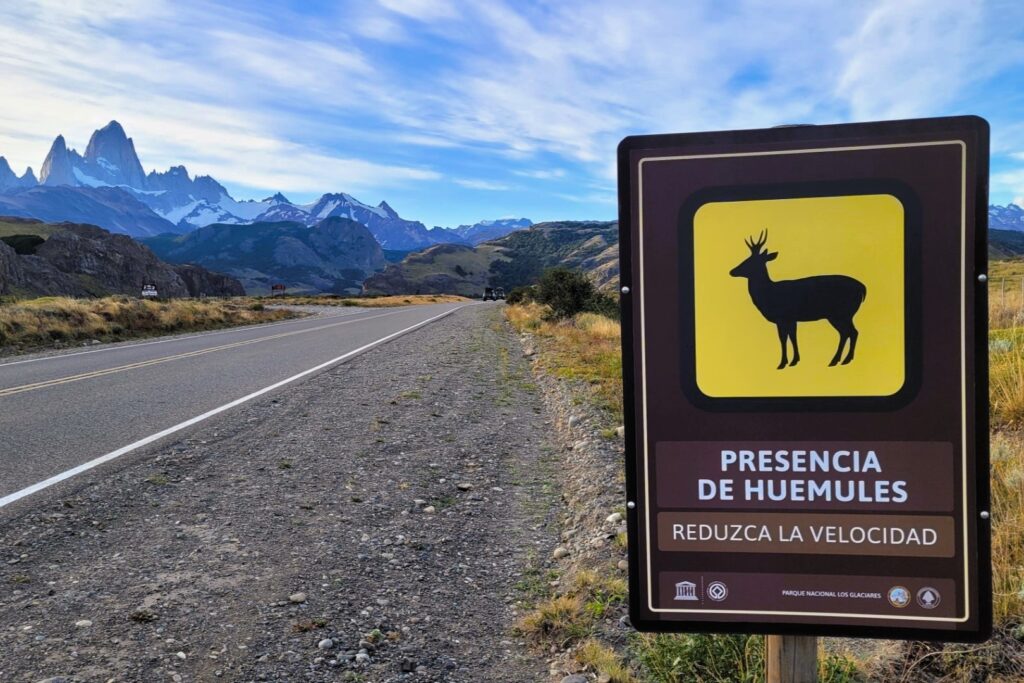
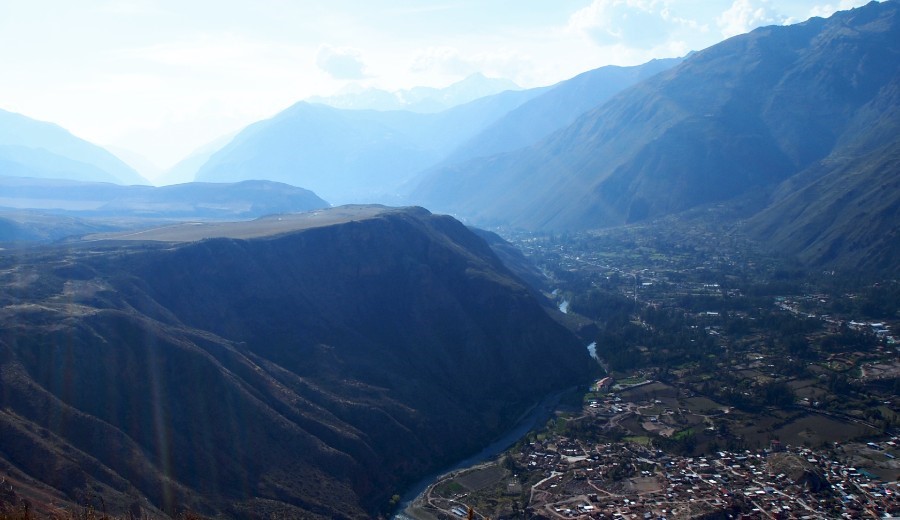
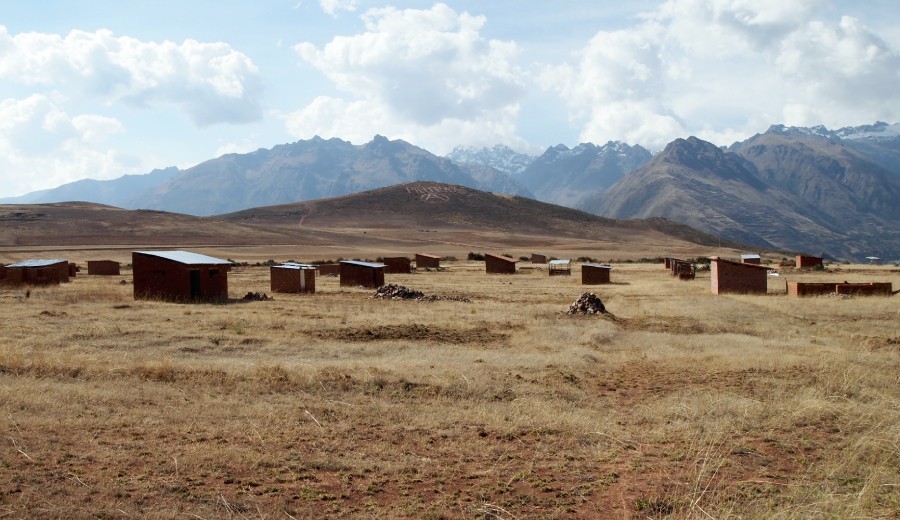
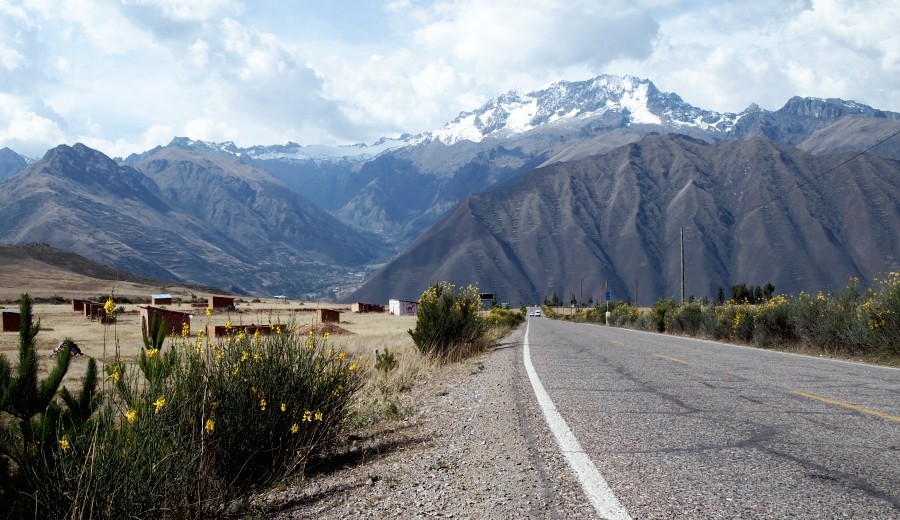
The trip from Lima to Cusco and then on to Bolivia turned out to be a real adventure. With my fellow combi passengers, I raced along jaw-dropping mountain roads winding around peaks, marveled at the breathtaking views below while fighting motion sickness and high altitude syndrome, mingled with locals who commute this insane route daily, and caught sight of isolated herds of guanacos looking at us, looking at them.
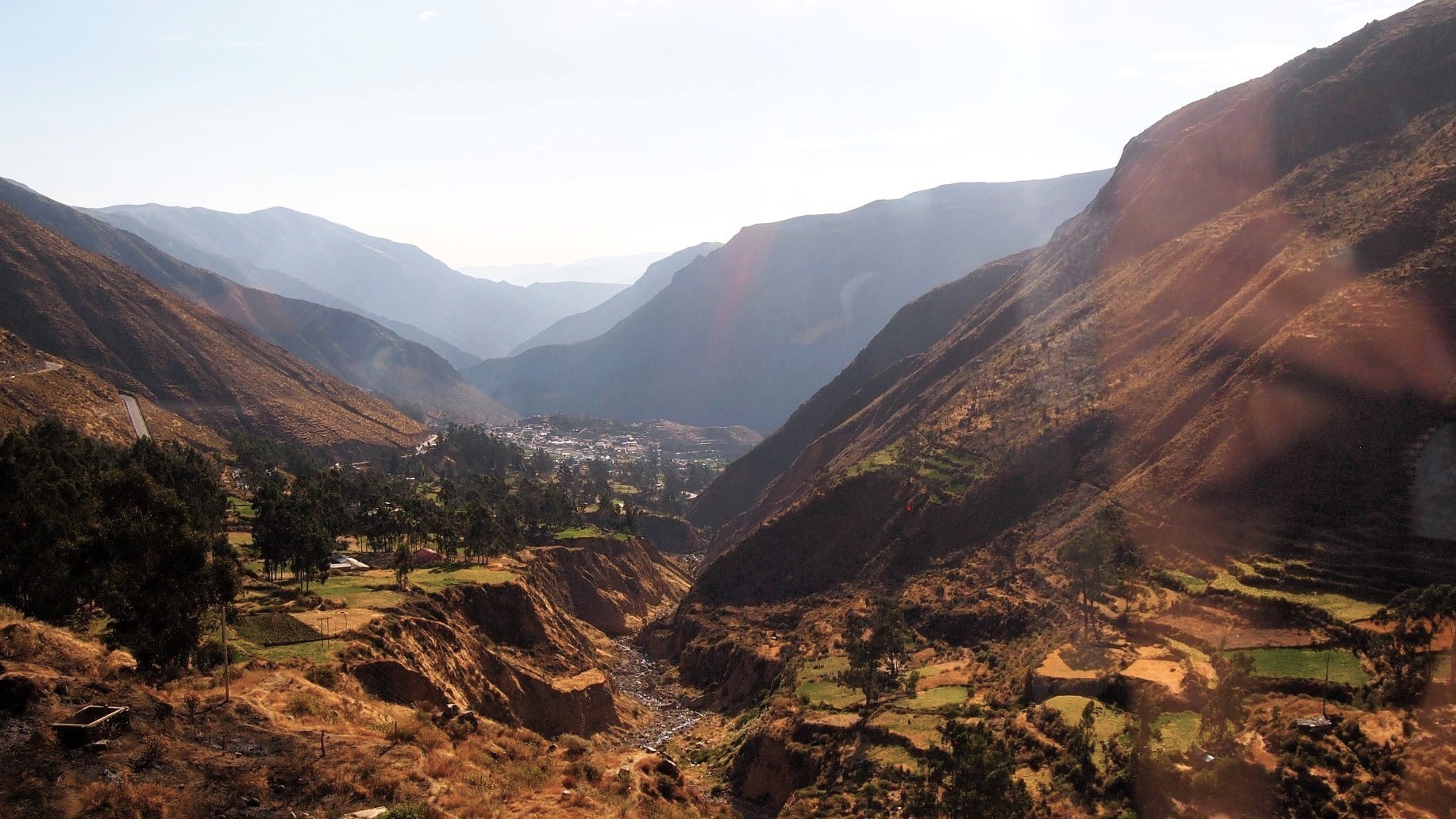
The journey began with a twisty uphill drive from Lima to Ayacucho aboard a double-decker bus. We left in the morning and arrived late at night. After reaching the highest point of the road, the bus glided over the illuminated town of Ayacucho, which looked like a constellation within the darkness of the valley.
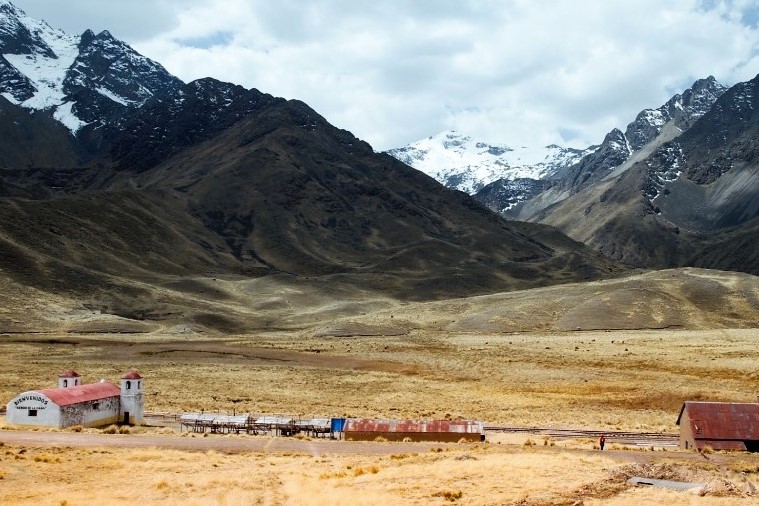
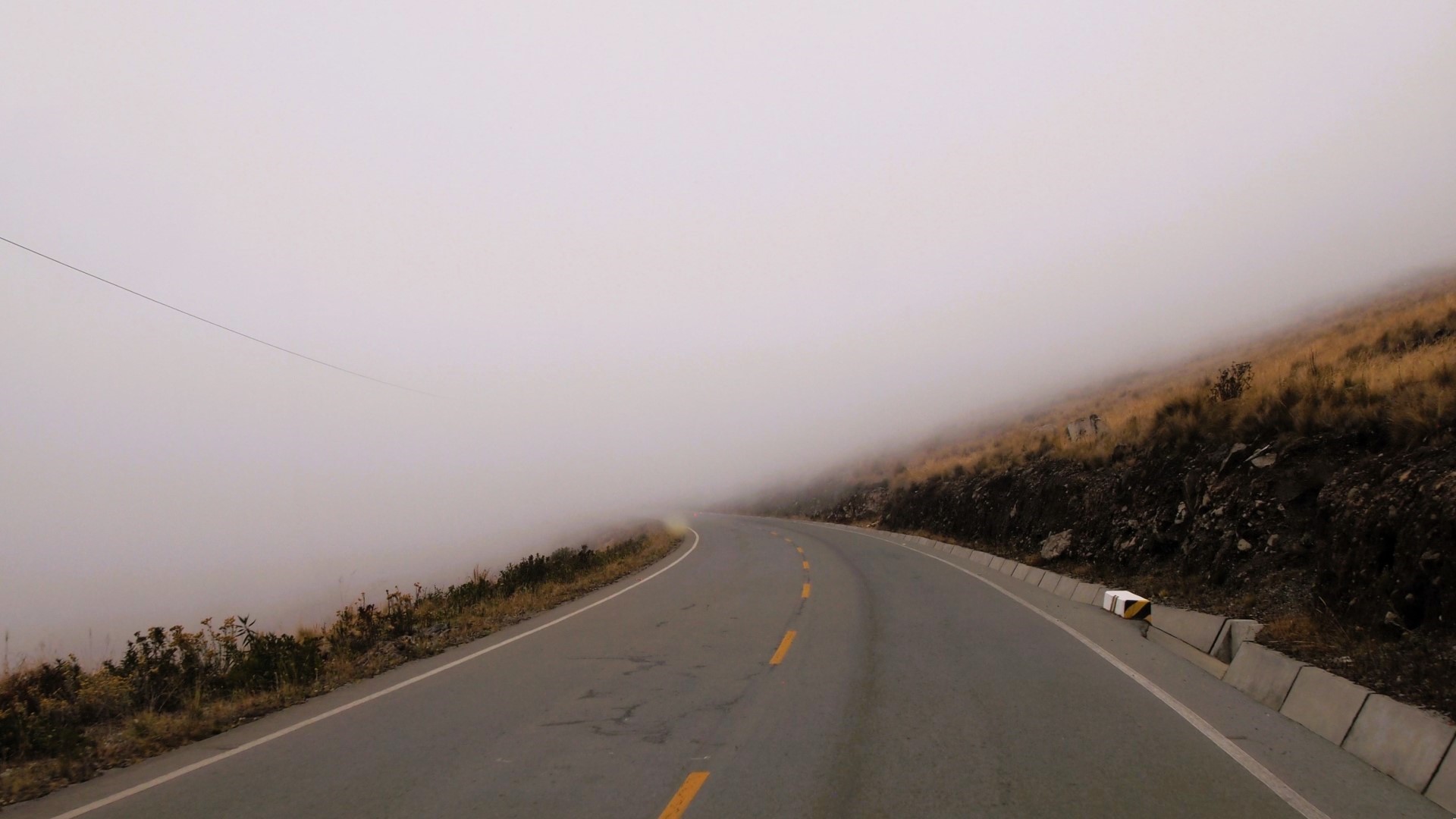
The next morning, the journey continued as the road climbed up to a high plateau covered in fog and clouds. The air felt thin, the sun was warm and enveloping, and the distinct Andean smell of muña and coca leaves filled the air with every bend in the road. It was then that I realized I stepped into a different world.
LIMA
Est. 1535 | Pop. 12,000,000 | Elev. 1500m
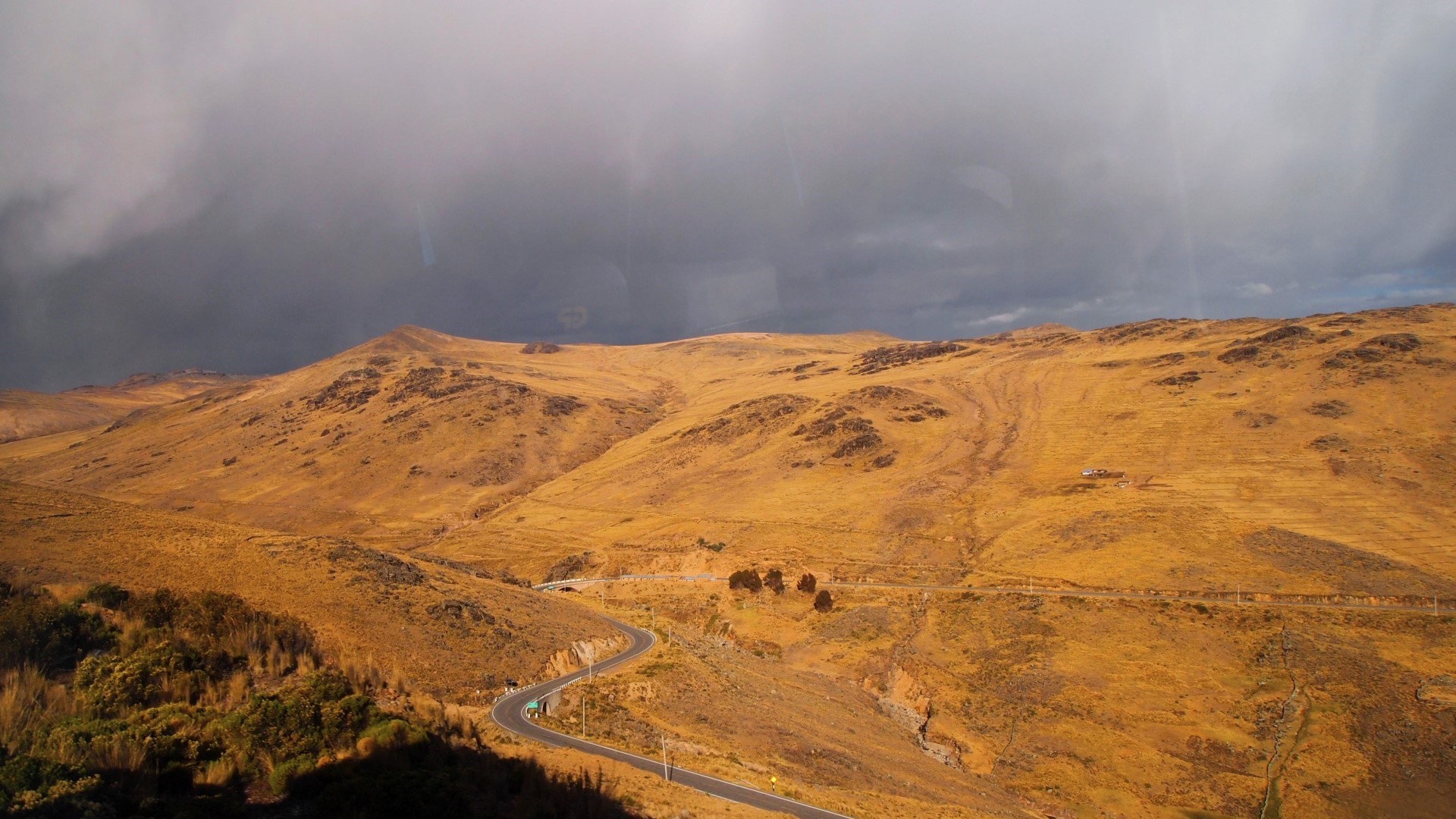
AYACUCHO
Est. 1540 | Pop. 177,000 | Elev. 2760m
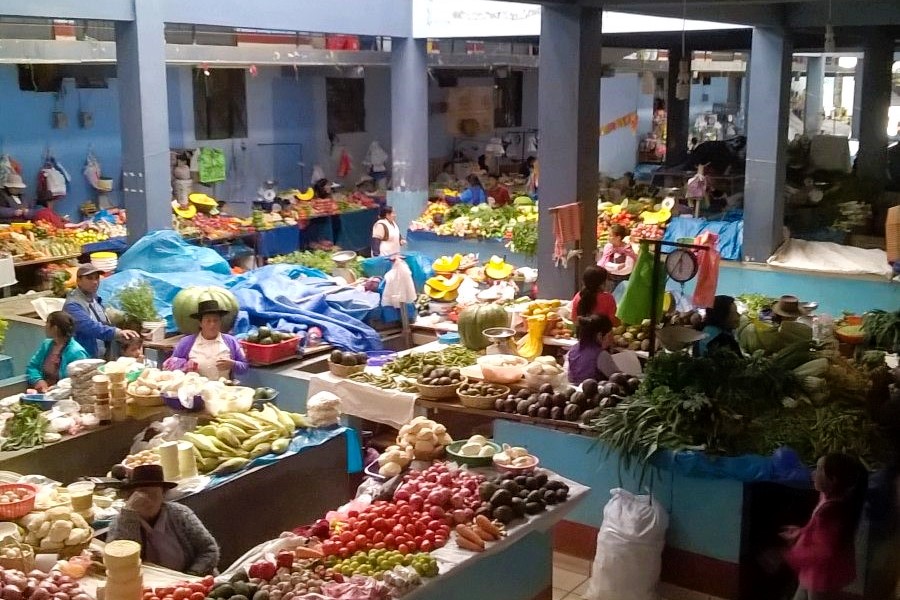
ANDAHUAYLAS
pop. 63,000 | elev. 2926m
ABANCAY
pop. 58,000 | elev. 2377m
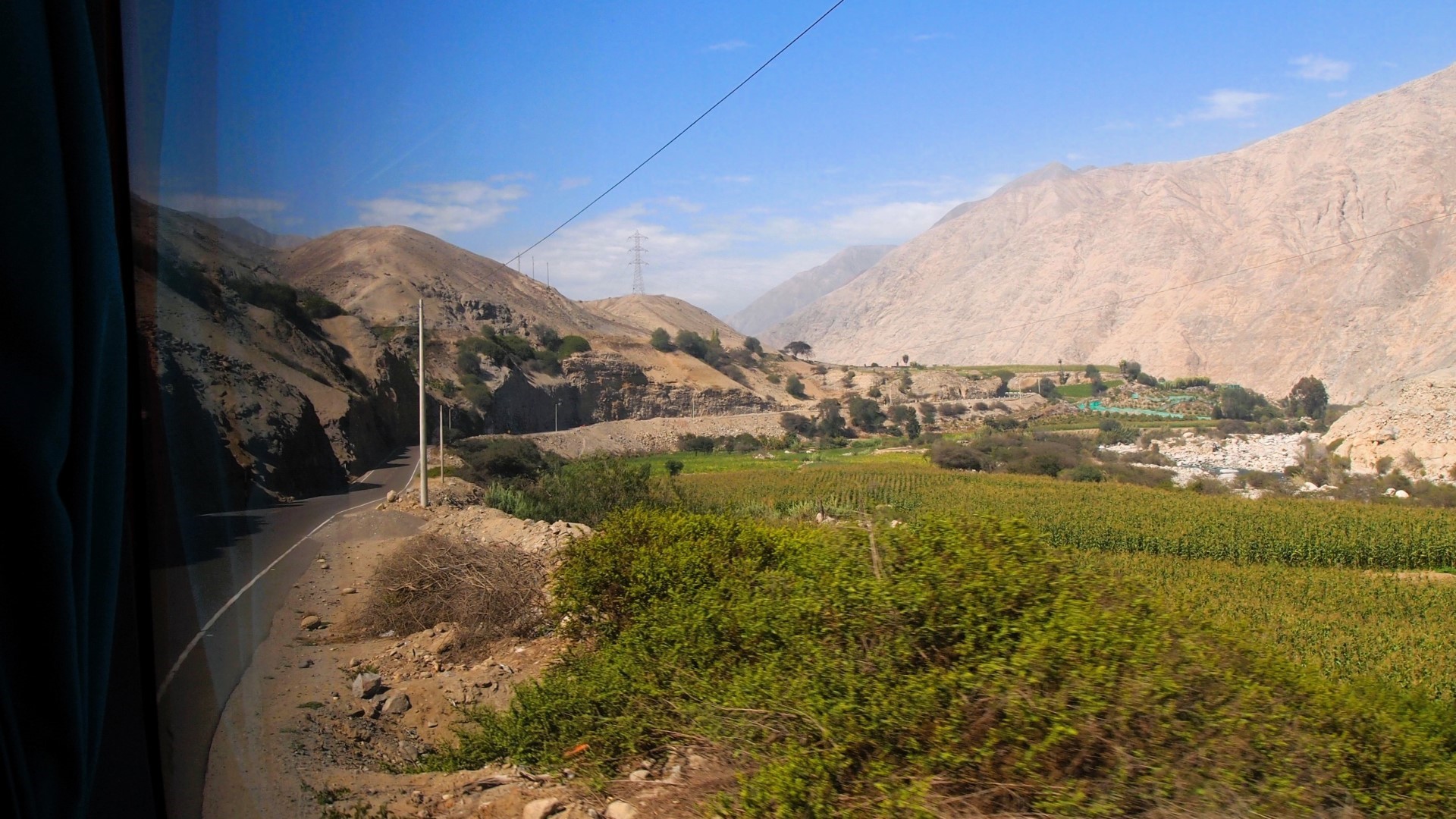
Because of the high altitude, temperatures can drop from 22°C to 2°C in a single day. In Andahuaylas, it dipped to -3°C. That night, I decided to treat myself to a room at Hotel Sol Del Oro, located on a narrow street near the highway and an anemic river. From there, I had a view of both the mountains and the hotel signpost.
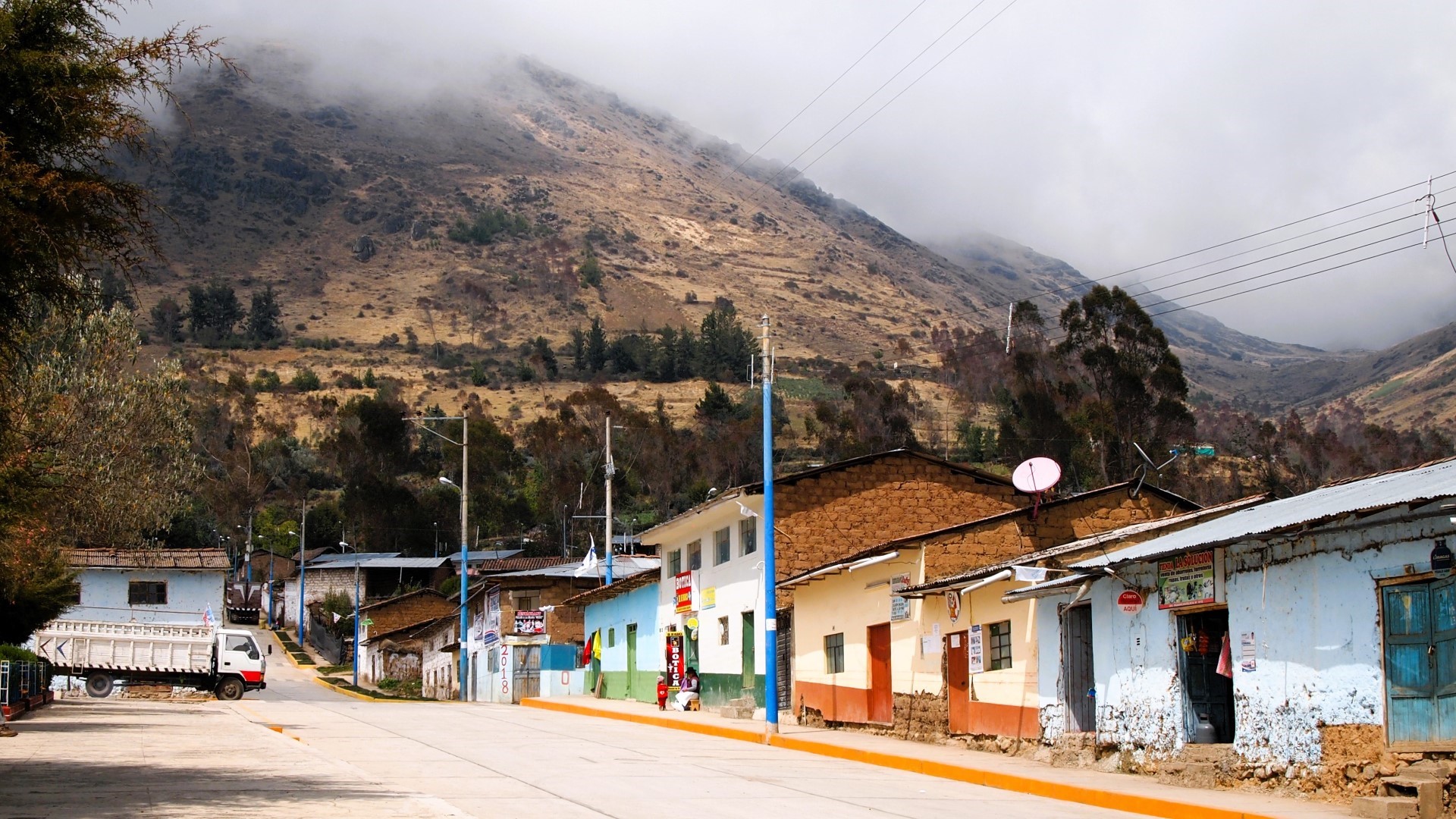
As I explored the city, I couldn’t shake the feeling that I didn’t belong. A sentiment similar to what I felt in Ayacucho. Maybe the remoteness of these towns wasn’t just geographic: it felt as if they were never meant to be found.
But Abancay was different. Perhaps because it grew out of necessity, being at the crossroads of two highways. It felt more open, more lived-in. a town that welcomed everyone simply because it had to.
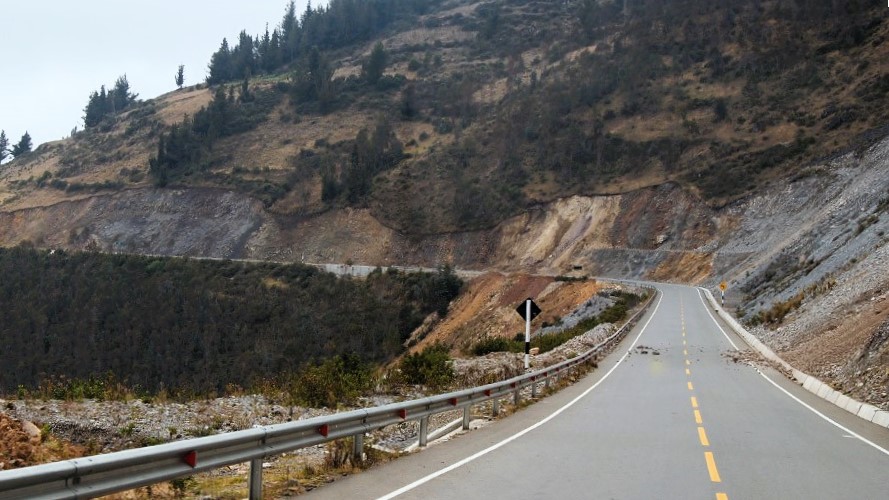
In the Andes, the roads wind up like a serpent, rising to the higher plateau, only to curl back down to the next town set in the valley. Sadly, many of these places carry the familiar marks of uneven development: misery and neglect pushed to the edges, sealing up the enclave of tar, grime and noise, impervious to the surrounding greenery. Despite my hope to avoid another dusty, traffic-choked city, the lack of transportation options and limited time made it very unlikely.
CUZCO
Est. 1100 | Pop. 430,000 | Elev. 3400m
OLLANTAYTAMBO
Pop. 10,000 | Elev. 2792m
PUNO
Est. 1668 | Pop. 140,000 | Elev. 3830m
COPACABANA
Est. 1534 | Pop. 6,000 | Elev. 3841m
Lago Titicaca and Isla del Sol
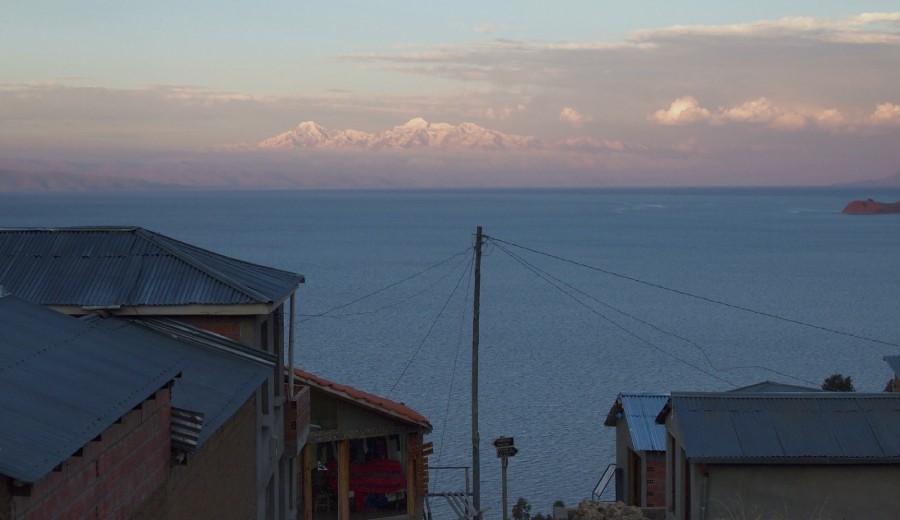
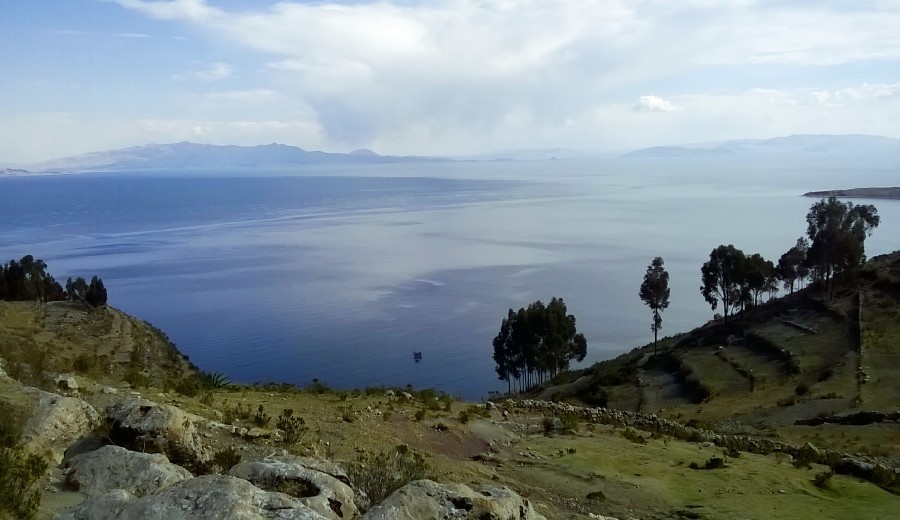
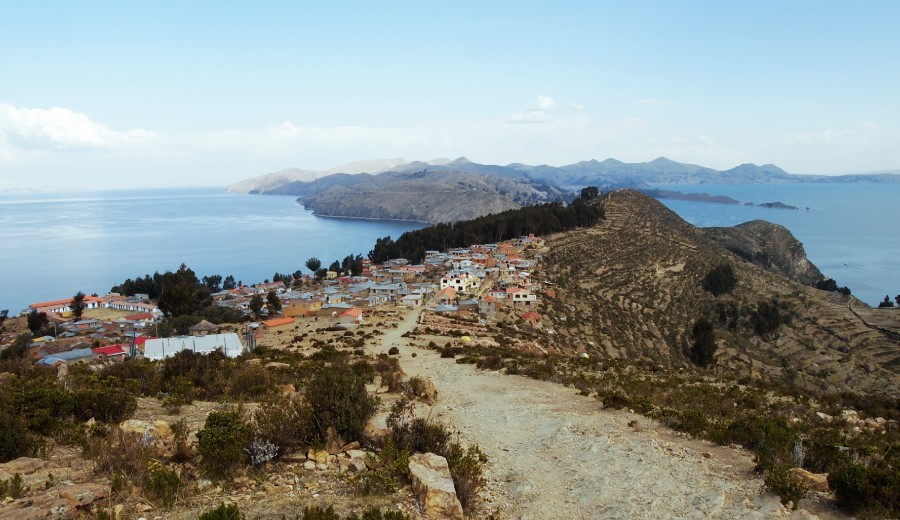
In popular tourist spots like Isla del Sol on Lake Titicaca, the constant attention and feeling of being on display have worn down the spirits of many residents. In contrast, the lost Andean towns offer a refreshing change, with friendly people open to visitors. The suspicion and distance you might feel in crowded tourist areas are notably absent, making it easier to connect with the local culture without feeling like intruders.