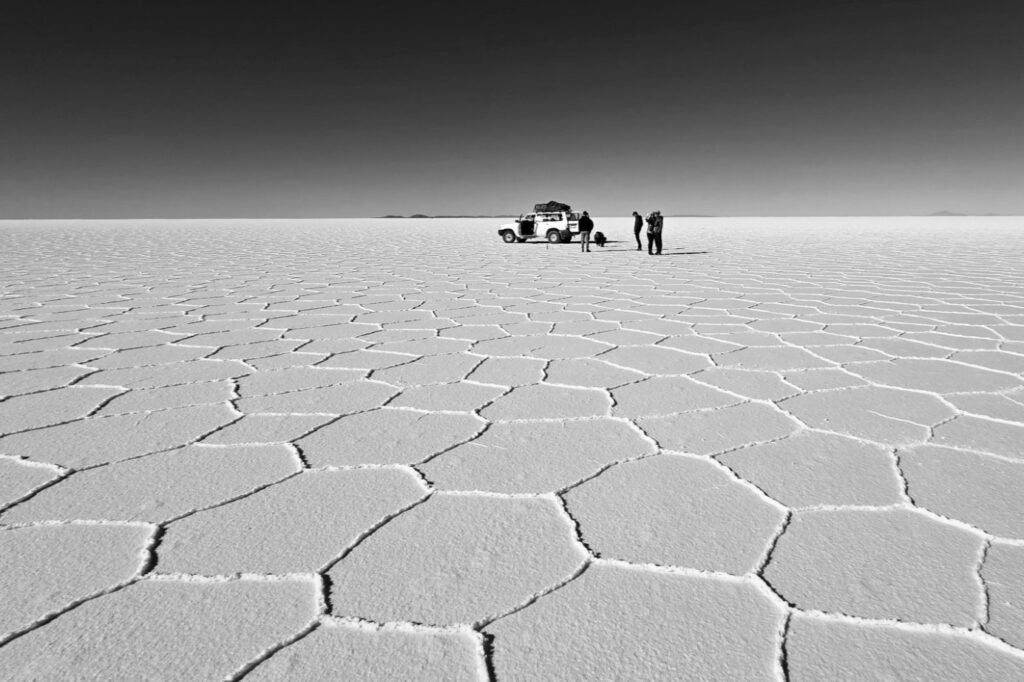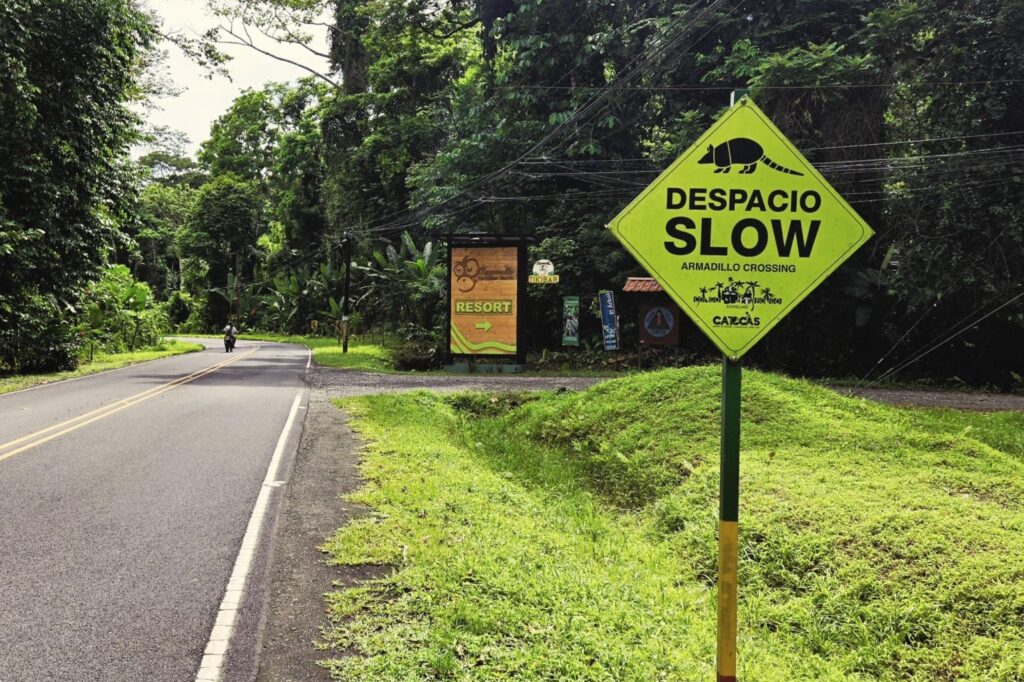
Costa Rica is overdone, overpriced, and overrated. Still, you need to go, if only to visit these two spots: the Caribbean coast around Puerto Viejo and the cloud forest of Monteverde. One has stretches of laid-back paradise beaches you can reach by bike. The other is a cool little tourist town set high in the clouds.
July is a good time to visit because it’s the low season. This means fewer crowds and better deals without needing reservations. Yes, it rains, but not all day. And with the showers come cooler air and dramatic skies.
Puerto Viejo & the Caribbean Coast
Puerto Viejo de Talamanca is far enough from the main tourist circuit that it still feels like a place where people live, not just visit. It’s also where many expats settle, naturally.
For the car-free nomads out there, it’s perfect. The flat coastline from Cahuita to Manzanillo is easily explored by frequent public buses or by renting a bike—the old-school kind with pedal brakes—available from the many rental shops.
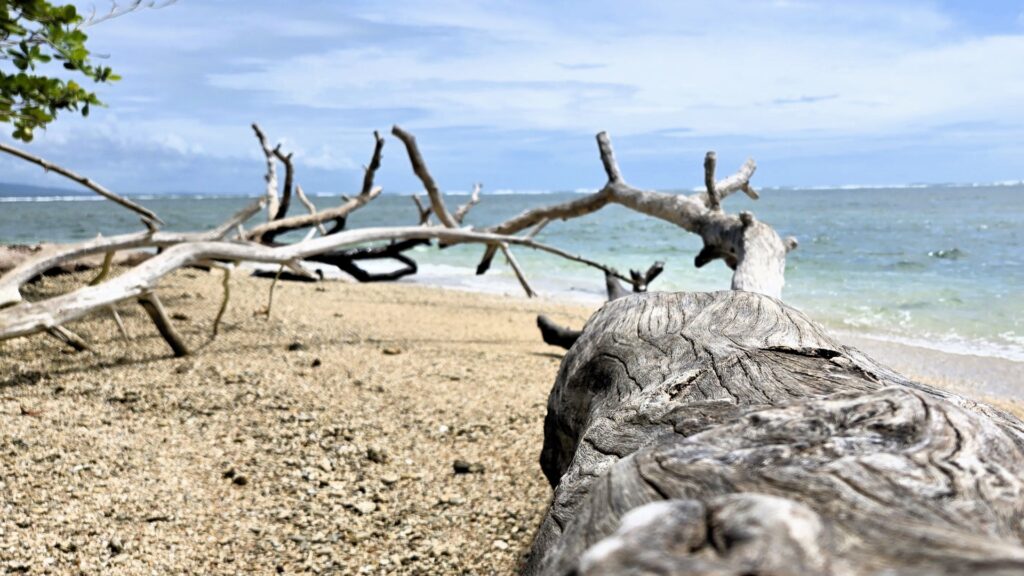
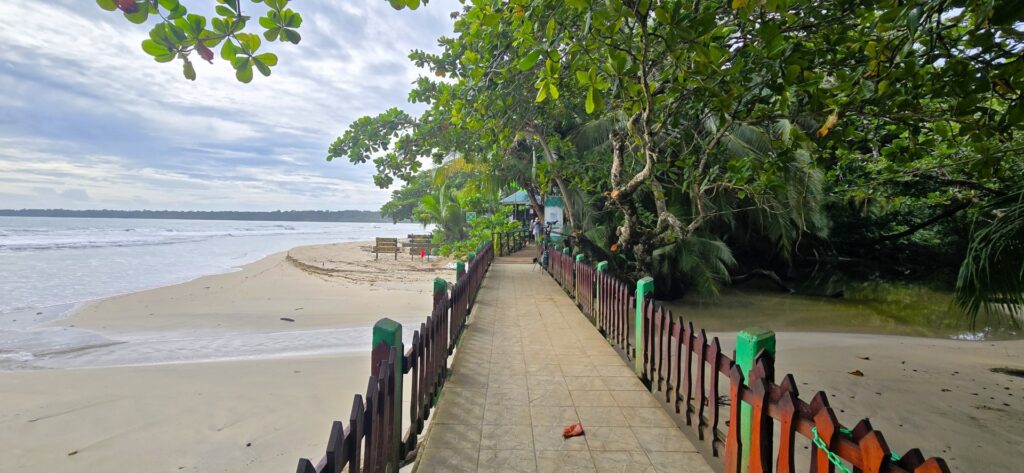
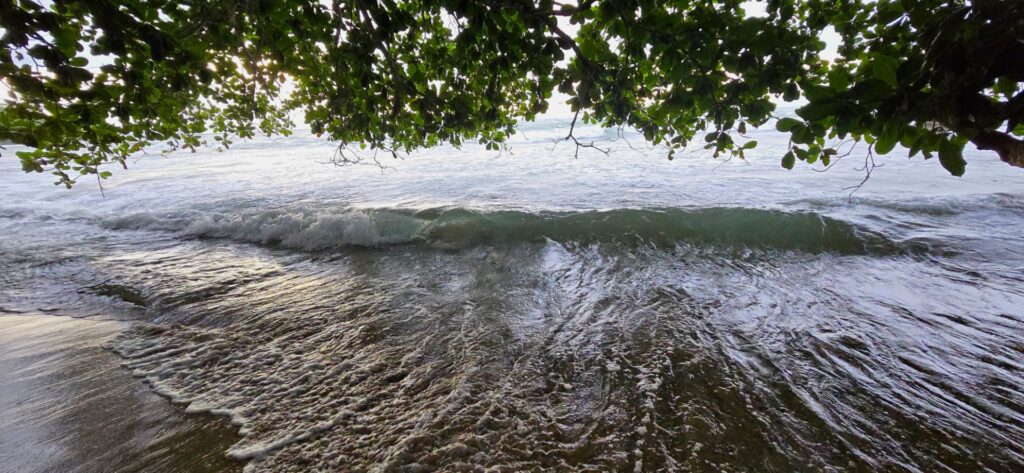
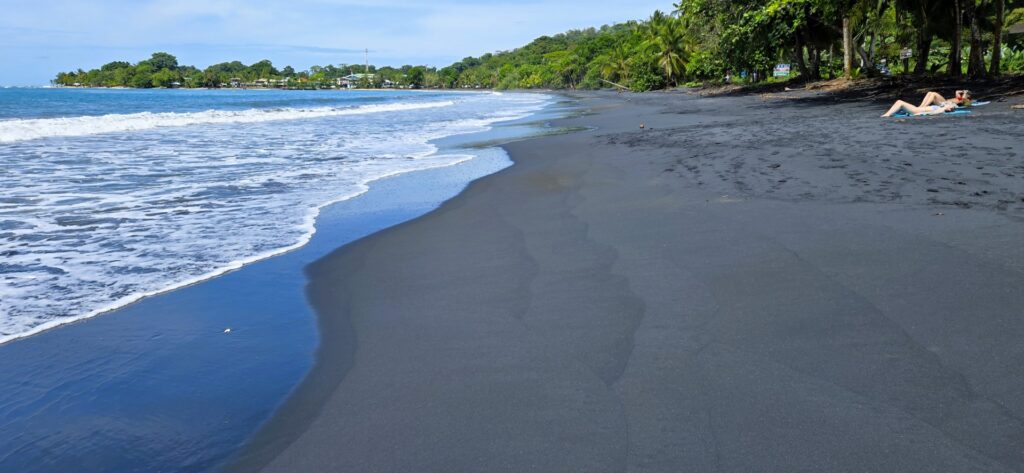
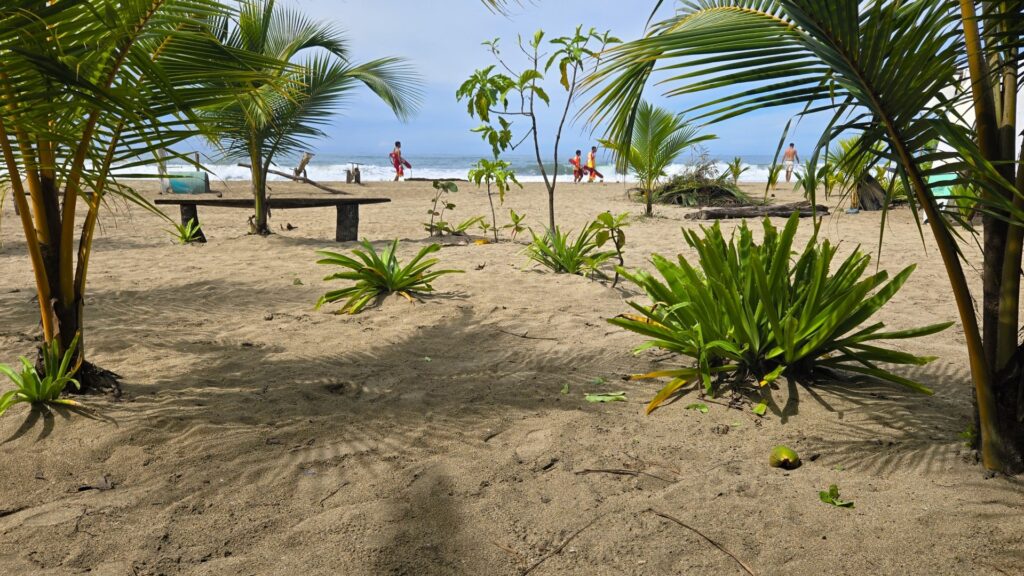
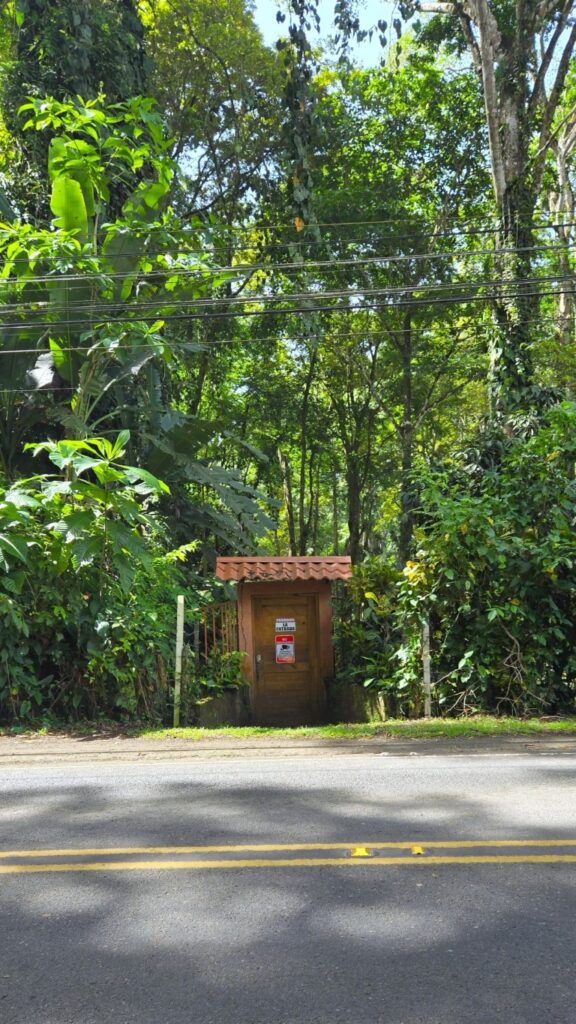
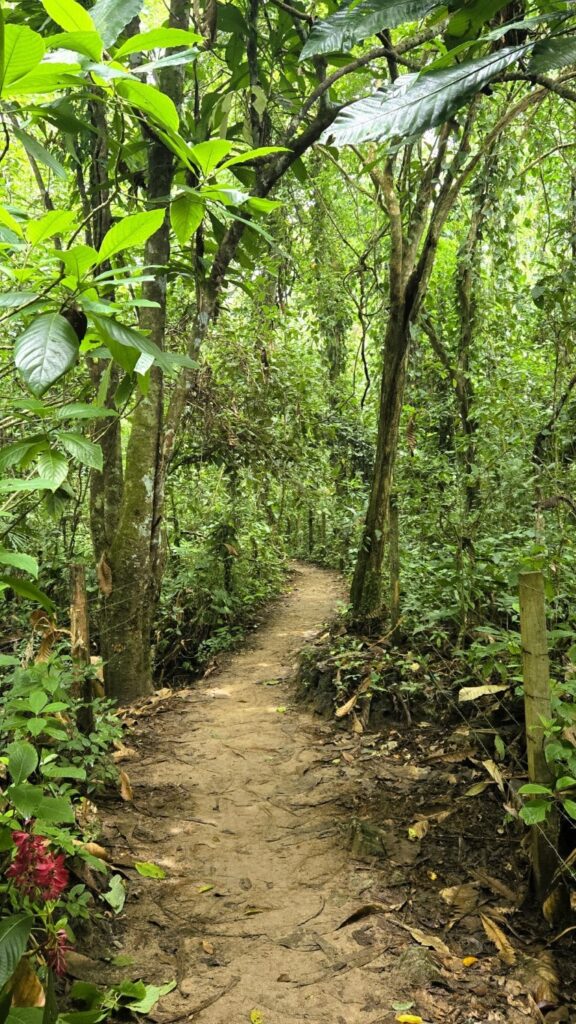
No matter how you travel, you’ll sometimes catch stretches of beach from the main road; other times, you’ll be surrounded by cathedral-like forest, with occasional paths cutting through it. Then comes the best part: taking one of those paths through the thick, fairy-tale jungle until it suddenly opens onto a deserted, postcard-perfect shore.
The crown jewels are the two protected natural areas: Cahuita National Park and the Gandoca–Manzanillo Wildlife Refuge. Both cost only a few dollars to access by donation and offer some of the most pristine combinations of beach and jungle scenery you’ll find anywhere.
The weather is fully tropical, but the ocean breeze, porous ground, and lack of pollution make it surprisingly bearable, even without AC at night.
Monteverde & The Mystical Forest
Along with Manuel Antonio National Park, Monteverde sits squarely on Costa Rica’s tourist trail and is just a few hours from San José. Monteverde and Santa Elena are perfectly curated mountain towns built for vacationers with more money than time. As a solo traveler, you may feel out of place dodging families and groups moving in and out like they’re passing through a Disneyland turnstile.
It’s also car territory. Without your own wheels, your tired legs won’t get you far. Public transportation is limited, and the main alternatives are oversized 4×4 taxis built to shuttle large families around. So much for sustainability.
On top of that, much of the nature here is either fenced off on private property or hidden behind ticket booths, with entry prices hovering above $20 USD. Finding something to do that doesn’t empty your wallet can be tricky.
That said, as a car-free nomad, you can still have a good time. Santa Elena, which has the bus terminal and most amenities, thrives on tourism. You’ll find accommodations for every budget, cozy cafés designed for remote work—something lacking in San José—and plenty of gift shops selling carved wooden cups and sloth T-shirts.
What’s missing are cheap eats. You have a burger joint, a rotisserie chicken place, and one soda a little outside town, but that’s about it. Fortunately, most hostels have kitchens, so self-catering is the better option.
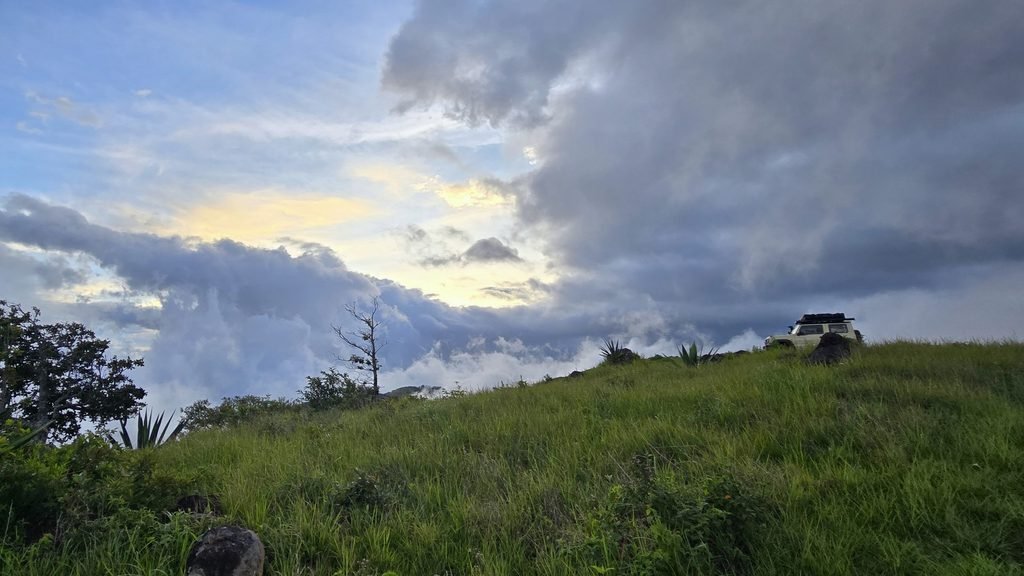
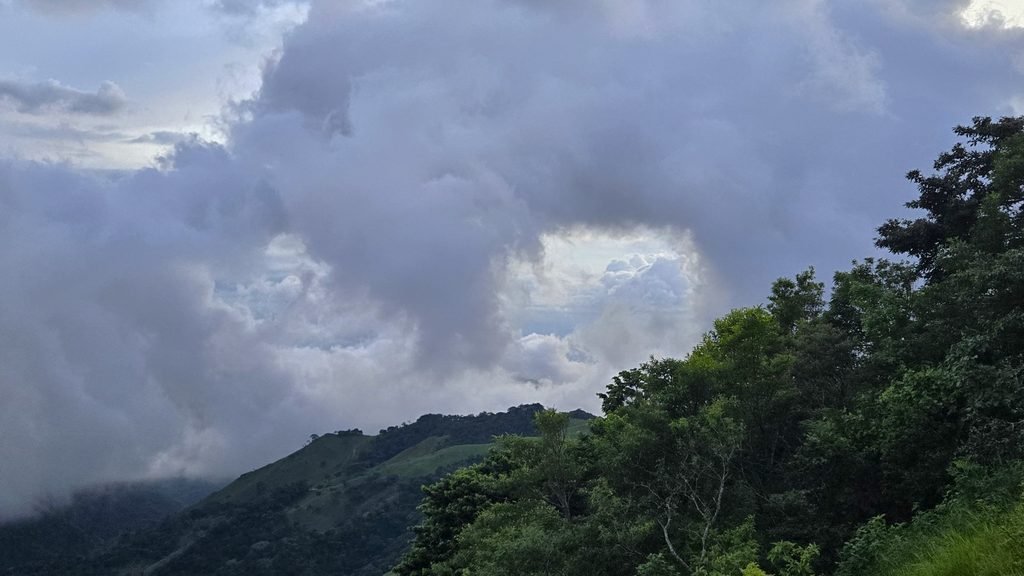
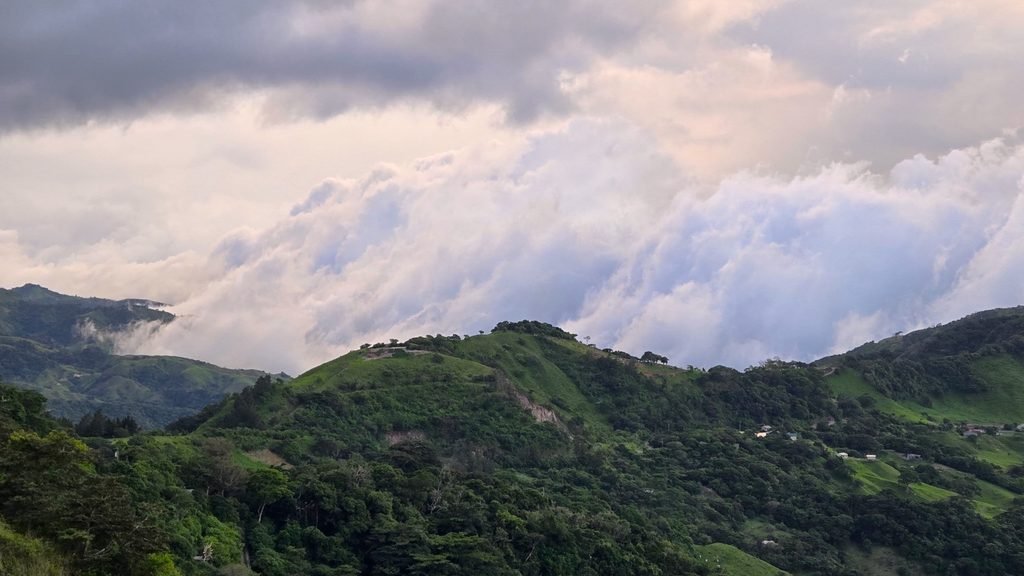
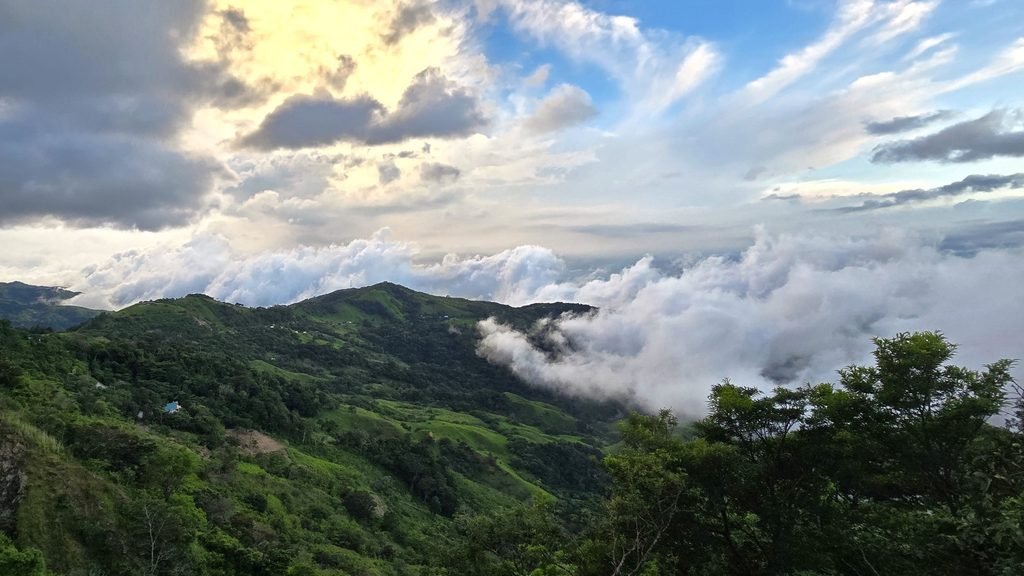
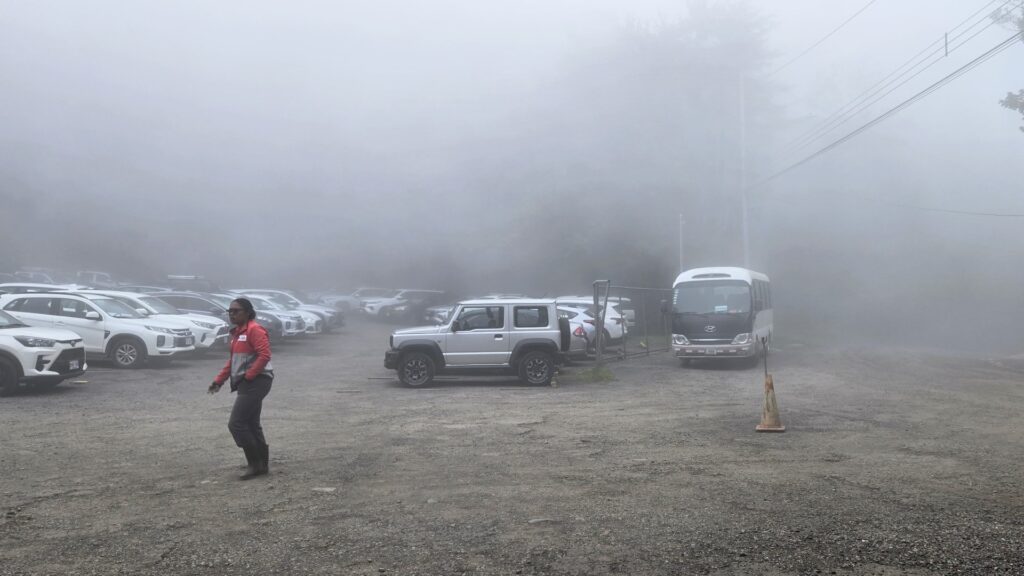
The town itself is charming, the air is fresh, and mist often drifts through like a natural club fog machine. Stretch your neck a little and you can catch strange cloud formations and spectacular sunsets.
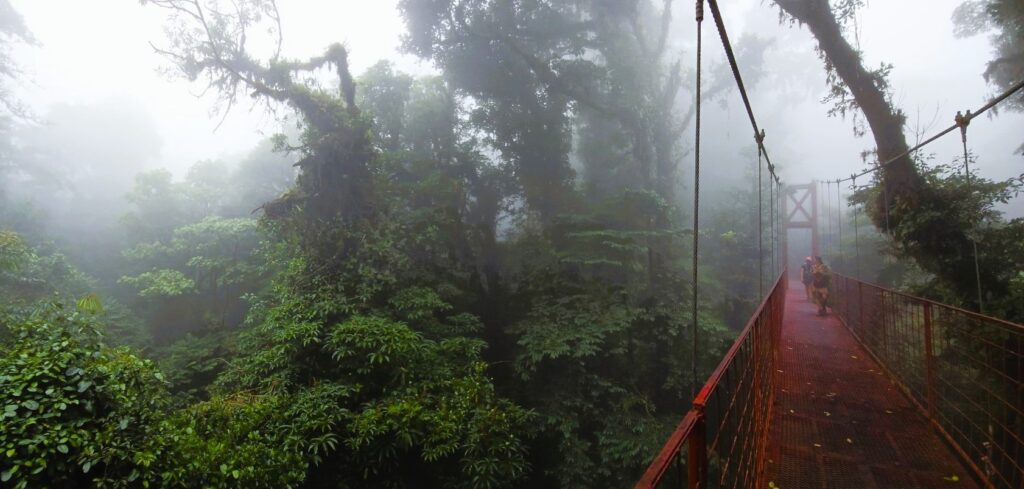
Monteverde Cloud Forest
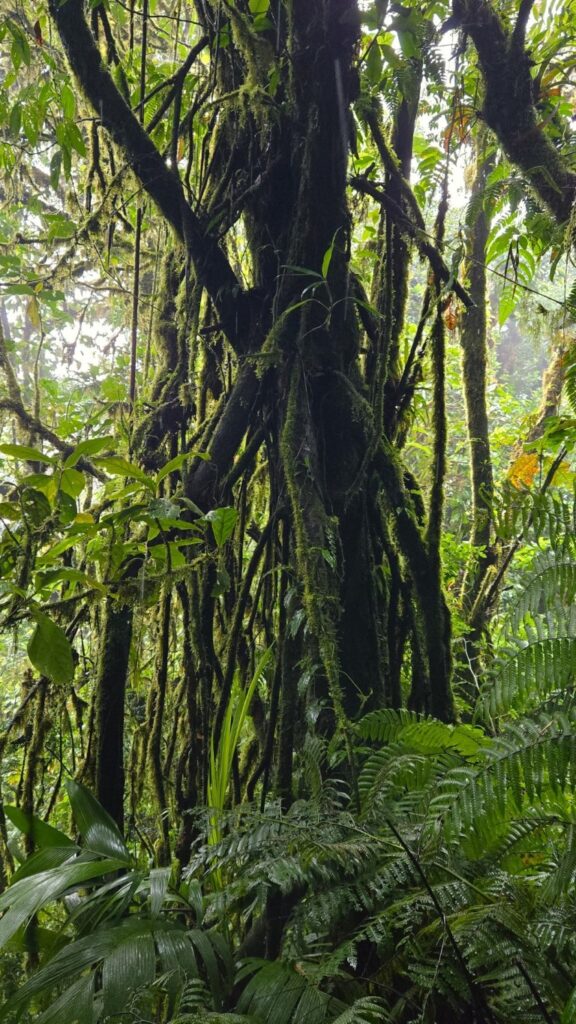
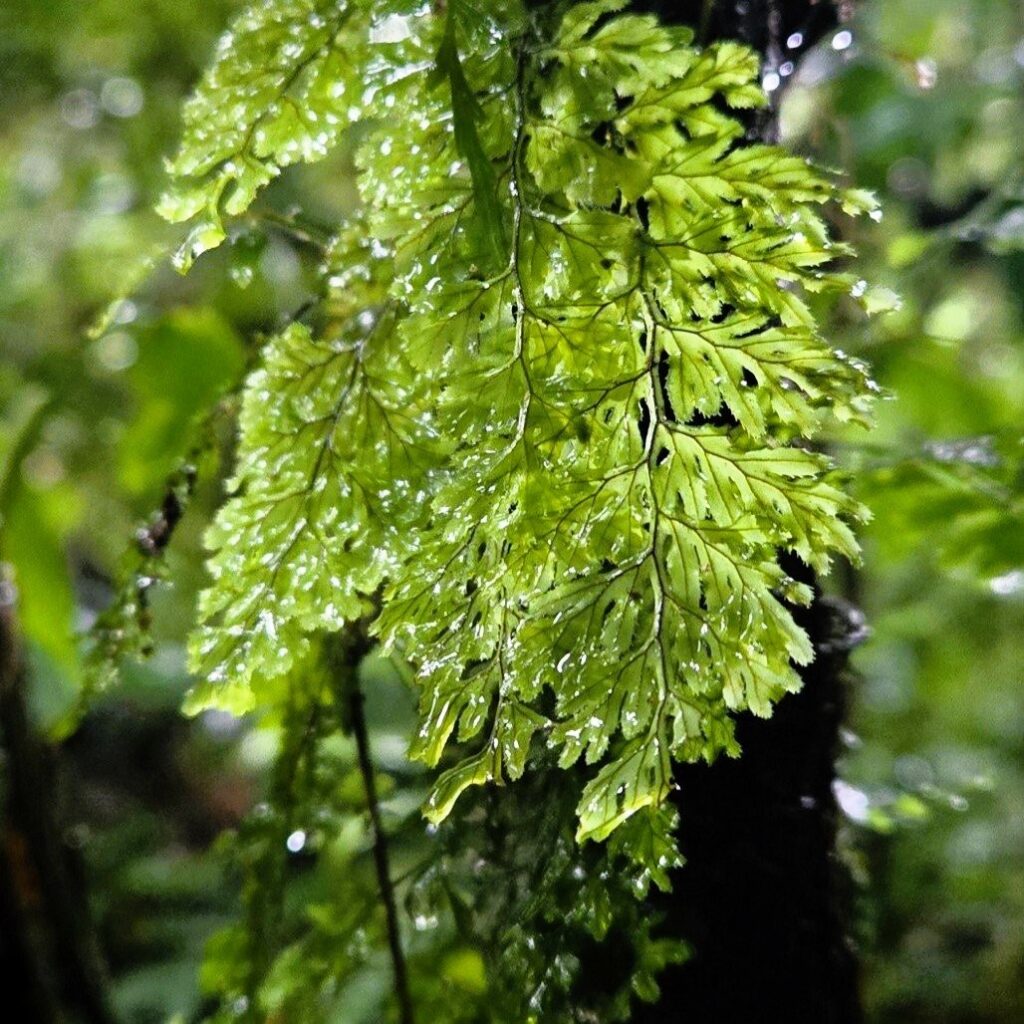
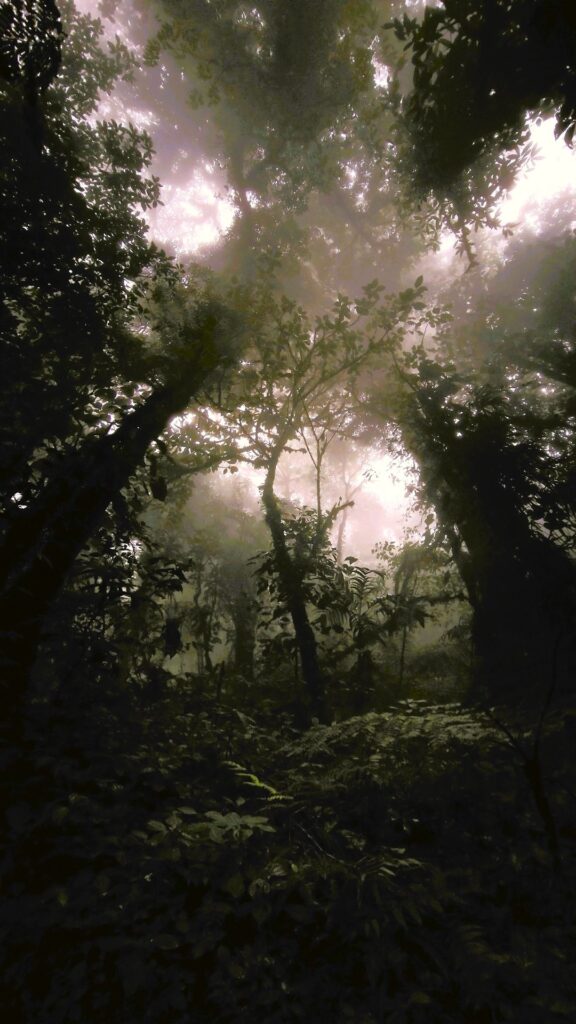
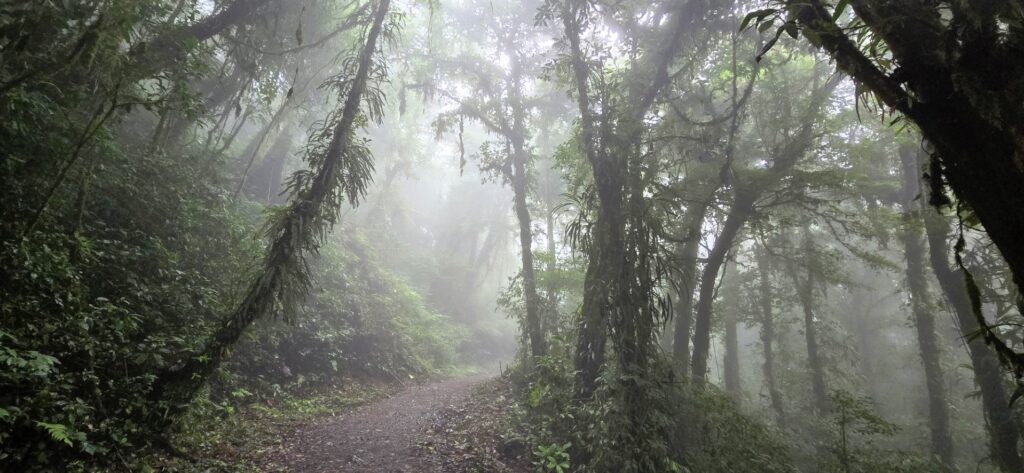
Monteverde is a high-altitude forest wrapped in a foggy microclimate. At more than 1,400 meters above sea level, the cool, foggy microclimate supports a wide variety of plant life. Fewer than 7,000 people live in the area, many working in ecotourism and conservation. Until the early 2000s, there were no paved roads into town, which helped keep the surrounding environment relatively well protected.
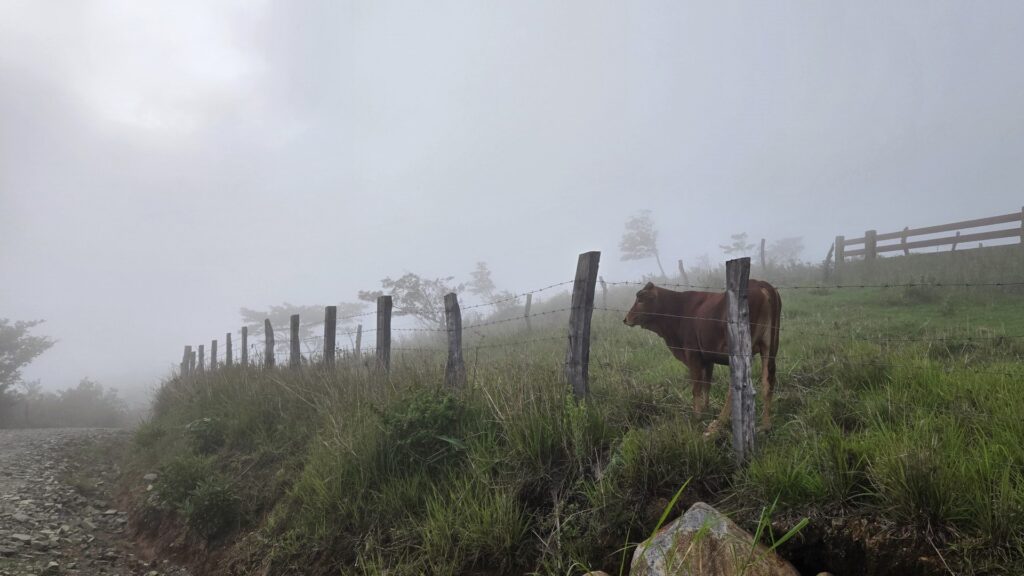
In the cloud forest, the sunlight kills the mood. I had been waiting for a fog, and was lucky to catch some of it before the rain came pouring down.
Skywaves