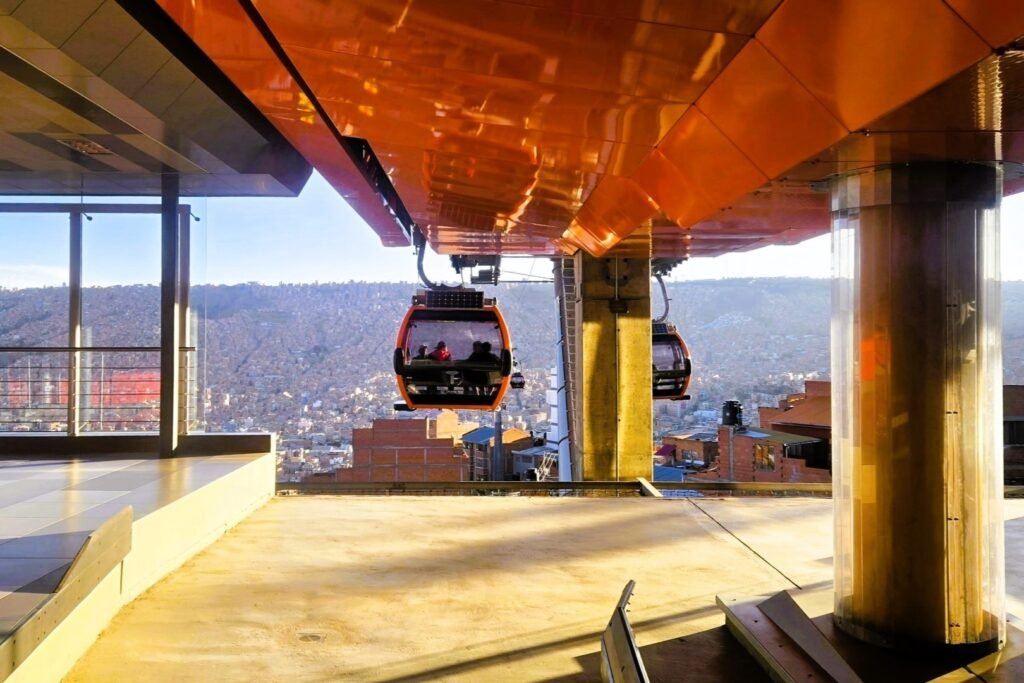
Medellín and La Paz, two cities defined by their unique geographies, have turned their challenging landscapes into opportunities for innovative urban transportation. While Medellín stretches linearly along a fertile tropical valley bounded by mountains, La Paz sits in a bowl-shaped valley amid dramatic topography.
In both cities, poverty is concentrated in the less accessible high-altitude neighborhoods, where informal settlements spread up the hillsides due to a lack of space. Meanwhile, employment opportunities, educational facilities, and healthcare services are concentrated in the lower, wealthier areas.
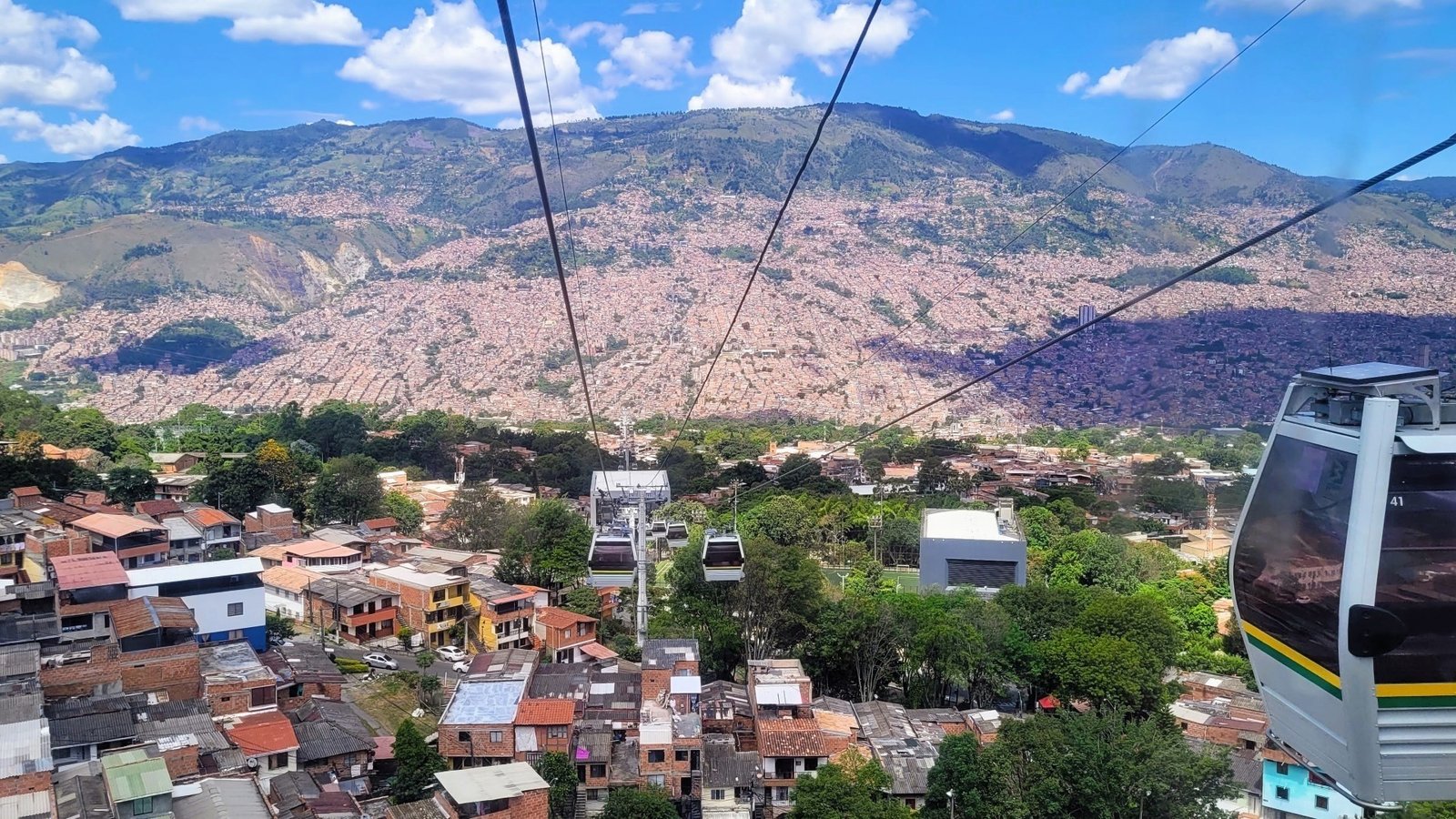
At around 1,500 meters above sea level, Medellín enjoys a mild, spring-like climate year-round. More than 3 million people live across the valley, where towering tropical plants fill the wealthier neighborhoods and the strong midday sun shines over countless rooftops.
La Paz sits at an average elevation of 3,650 meters, making it the highest capital city in the world. Together with the neighboring city of El Alto, perched at a literally breathless 4,000 meters, the urban population exceeds 2 million.
The cold at higher elevations pushes wealthier residents toward the lower parts of the valley, while the poorer population occupies the flat altiplano above. On one side, El Alto spreads across the plateau, constrained only by a slowing rate of urbanization; on the other, it ends abruptly at a 600-meter drop to the capital below. Staircases descend the steep walls of the precipice, leaving El Alto’s residents either exceptionally fit or barely alive from the daily commute to La Paz.
Medellín, Pioneer of Urban Mobility
Medellín, known as Colombia’s “City of Flowers,” has transformed its urban landscape with groundbreaking transportation solutions. Founded in 1616, the city grew rapidly in the late 19th century with the arrival of the railroad, which fueled the textile and agricultural industries. Despite a period of violence linked to drug cartels in the late 20th century, Medellín has reinvented itself through urban renewal.
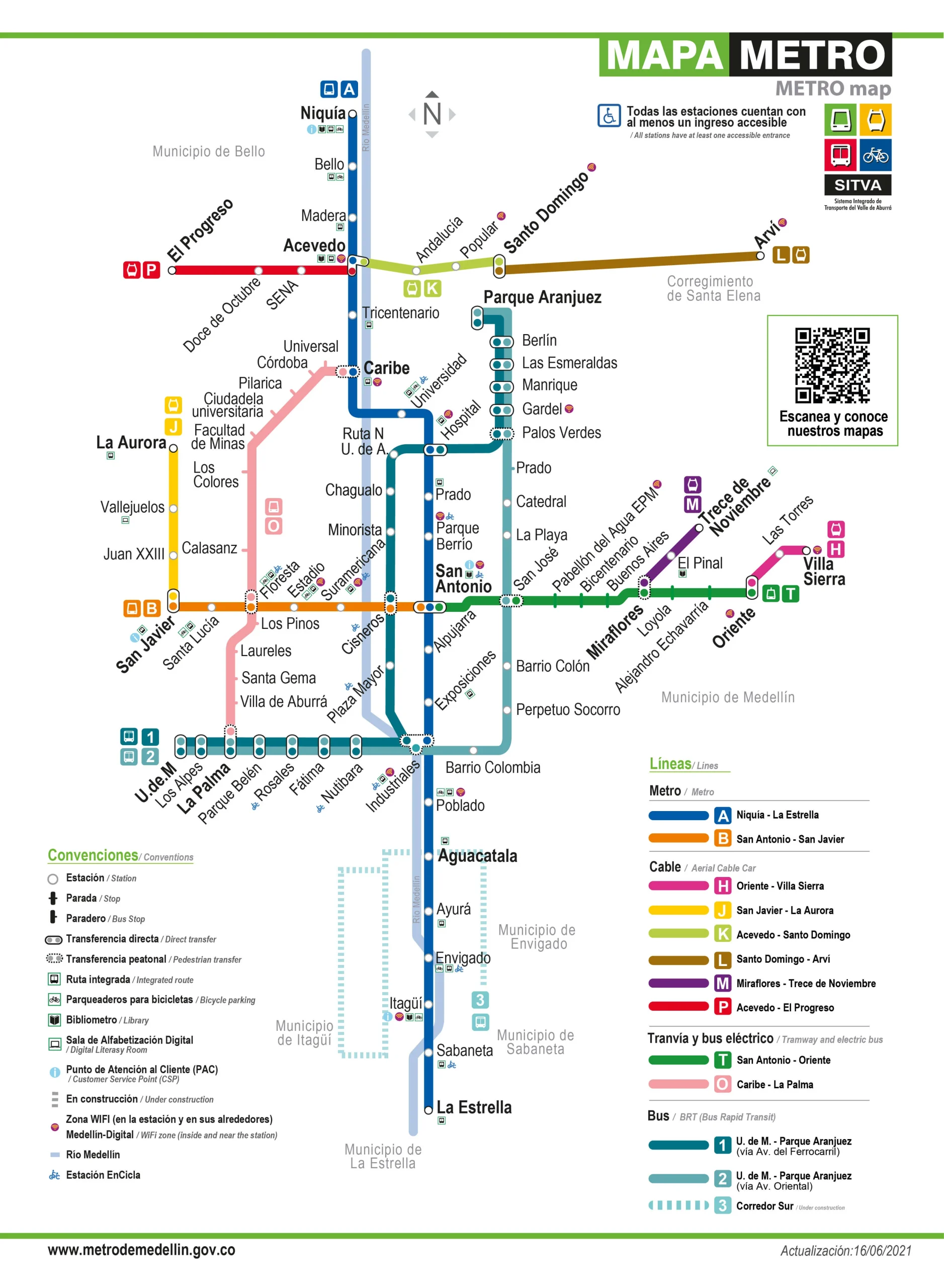
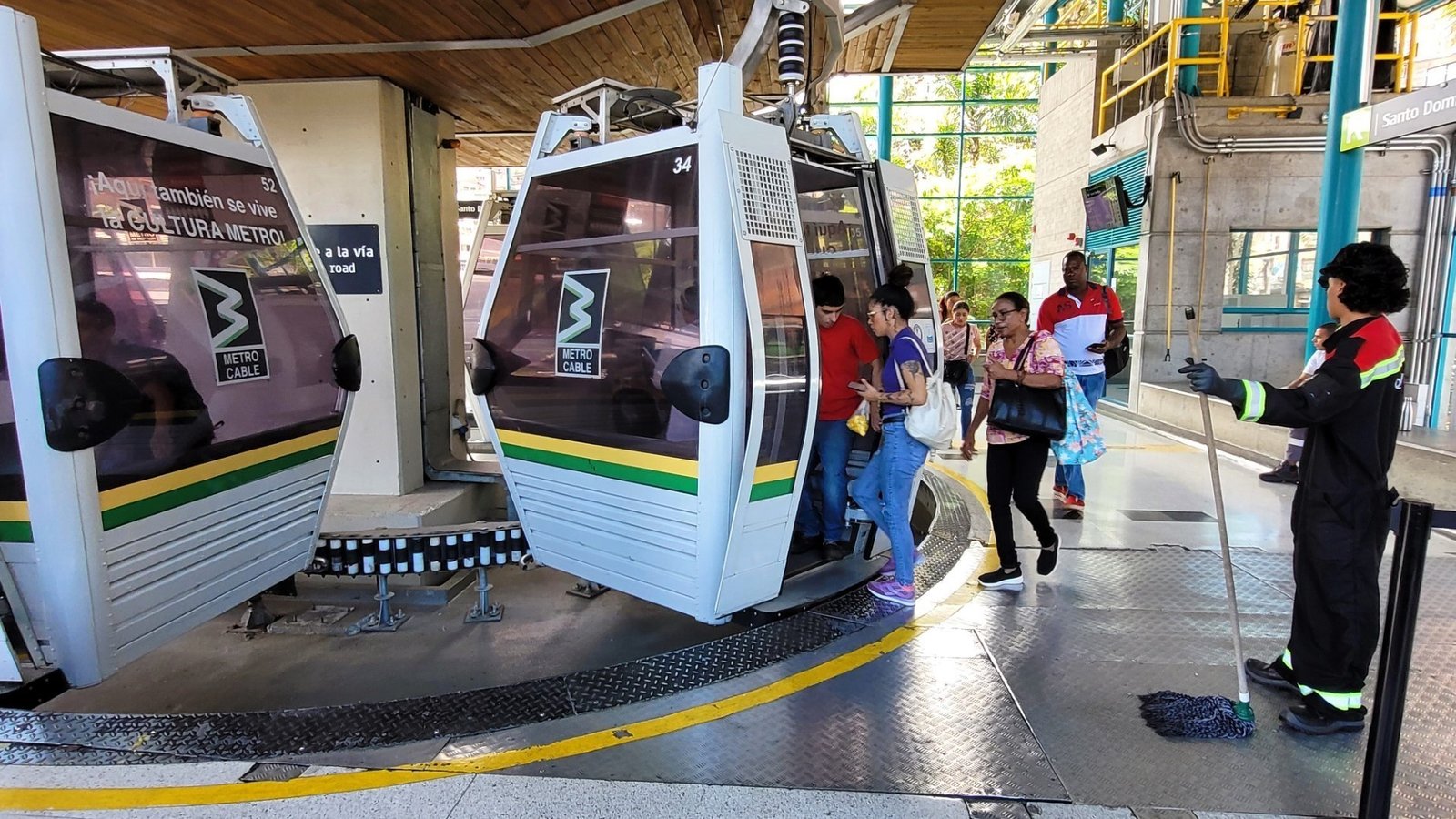
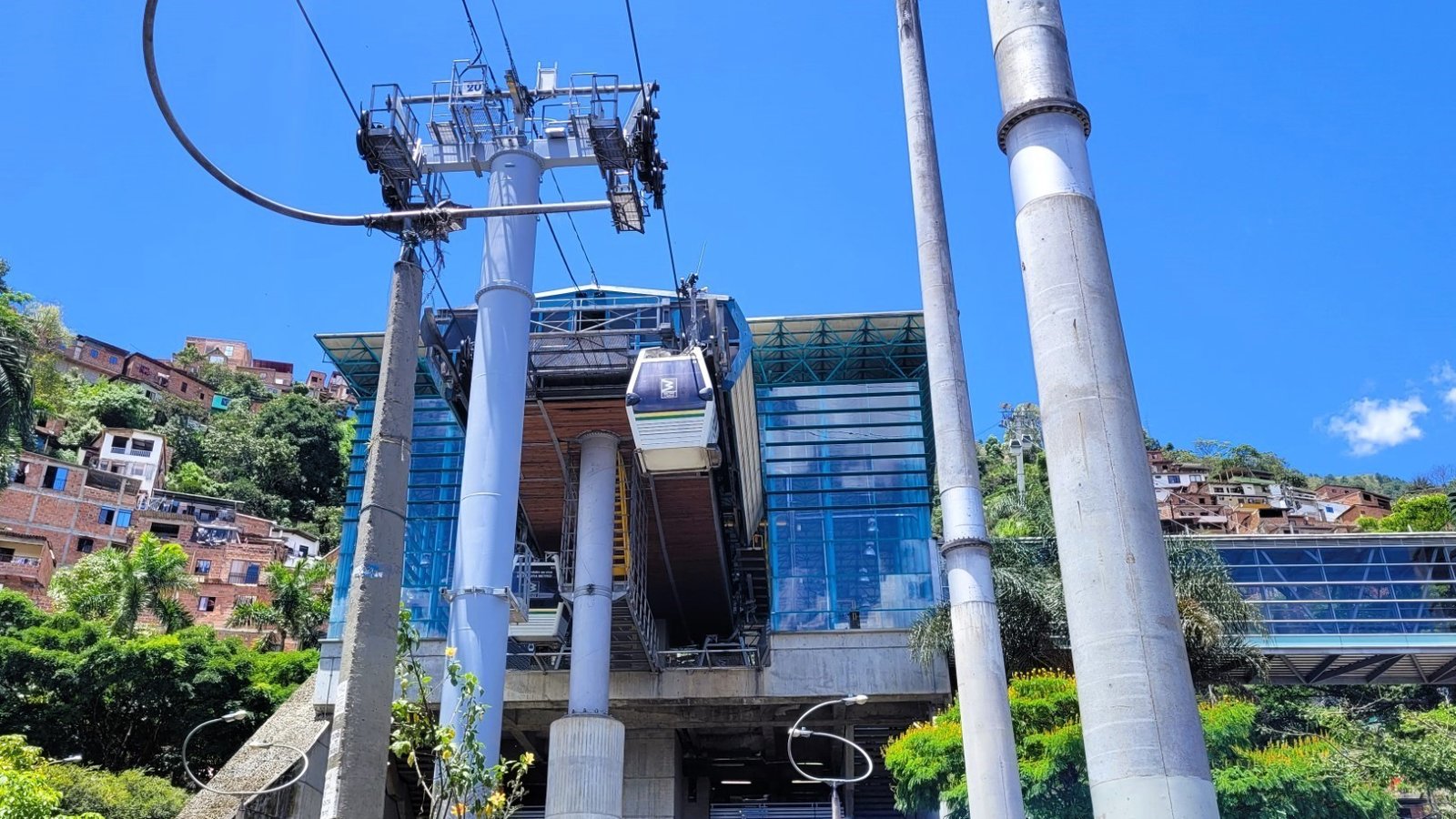
In 1995, Medellín introduced Colombia’s first elevated metro system, and in 2004, it launched the Metrocable, the world’s first urban cable car integrated into a public transit network. The system connects hillside neighborhoods to the city’s main metro line, transporting up to 3,000 passengers per hour.
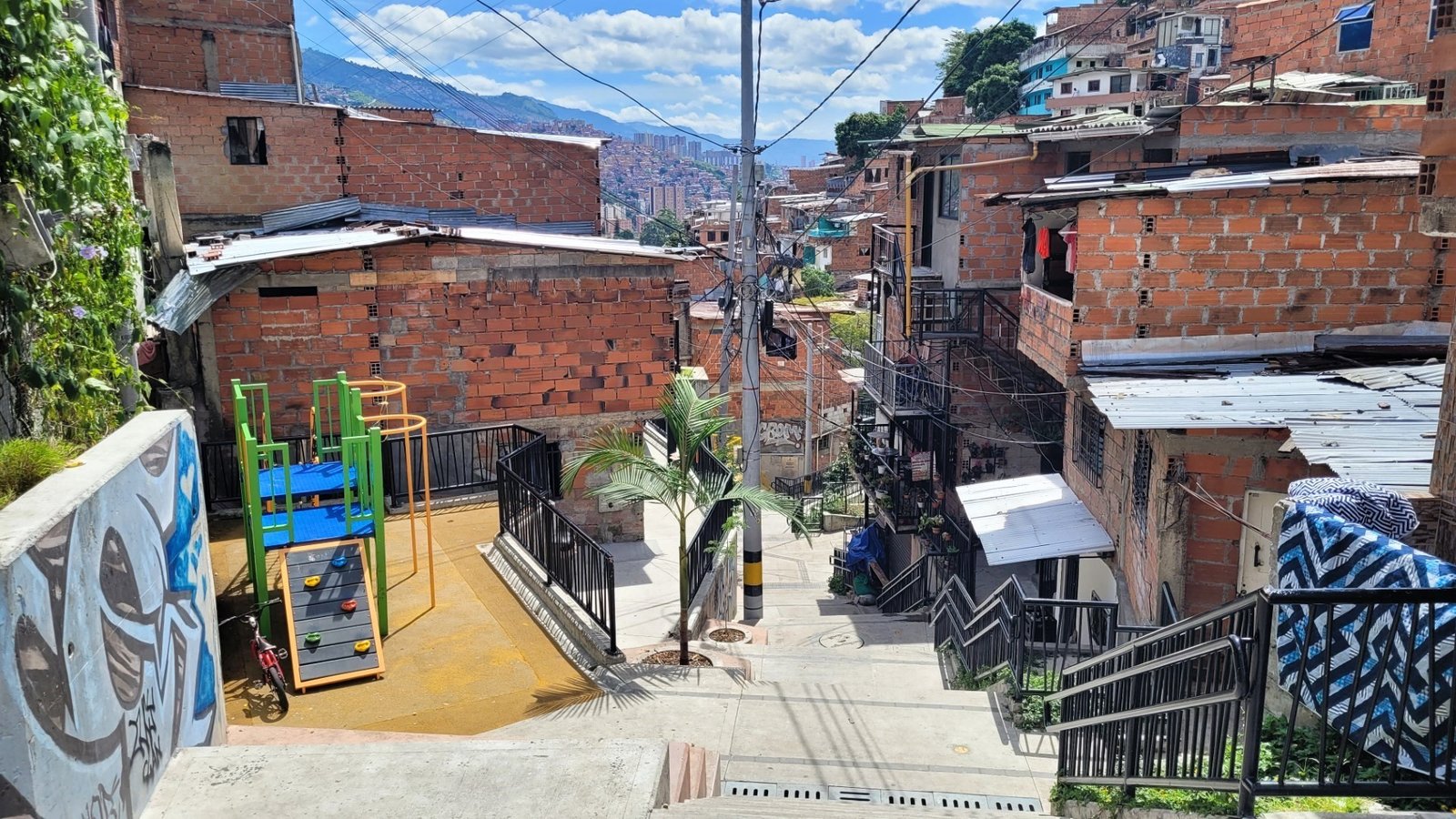
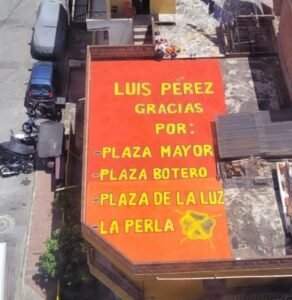
The introduction of outdoor escalators in Comuna 13 also improved access to the community, transforming the once-troubled neighborhood into a vibrant tourist destination filled with colourful streets, murals, and local businesses.
However, not everyone welcomes this change. During my visit, I overheard residents complaining about the invasion of tourists and the Disneylandification of the neighborhood. With its loud music, bars, and brightly painted murals, I also found the atmosphere a bit commercial and felt slightly unwelcome, even as a solo traveler.
On the other hand, I found the end of Line P, the most recent Metrocable line developed, to be a quiet, safe, non-touristy oasis, with a modern public library offering fantastic views.
La Paz: Navigating the Heights
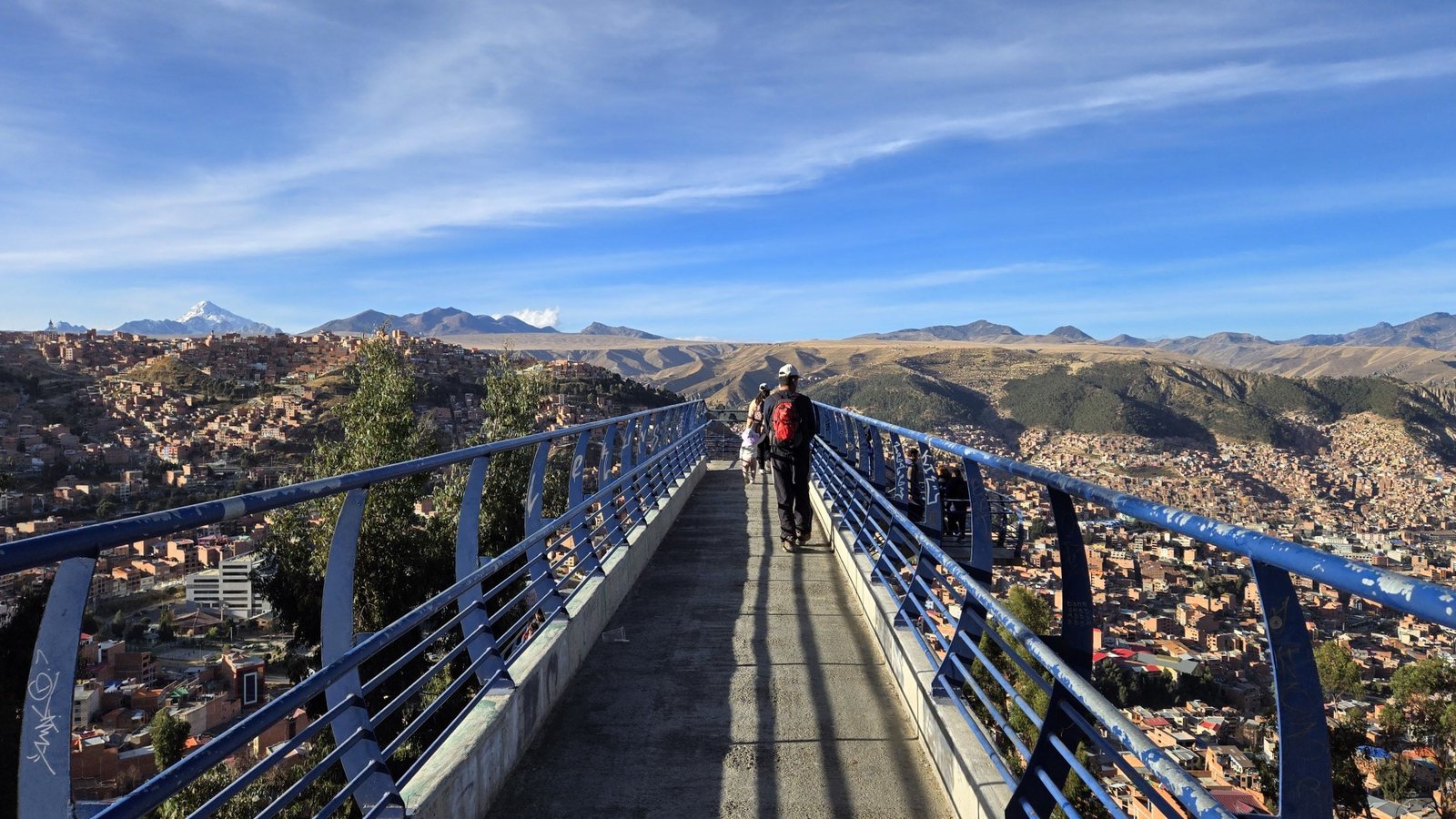
La Paz presents even greater infrastructure challenges than Medellín, with its extreme elevations, rugged terrain, canyons, and distinct altitudinal zones. Arriving by bus from any city to the southeast via El Alto offers an unforgettable experience. You descend along a twisting highway at the edge of the precipice, gazing into the bowl that cradles the city of La Paz below.
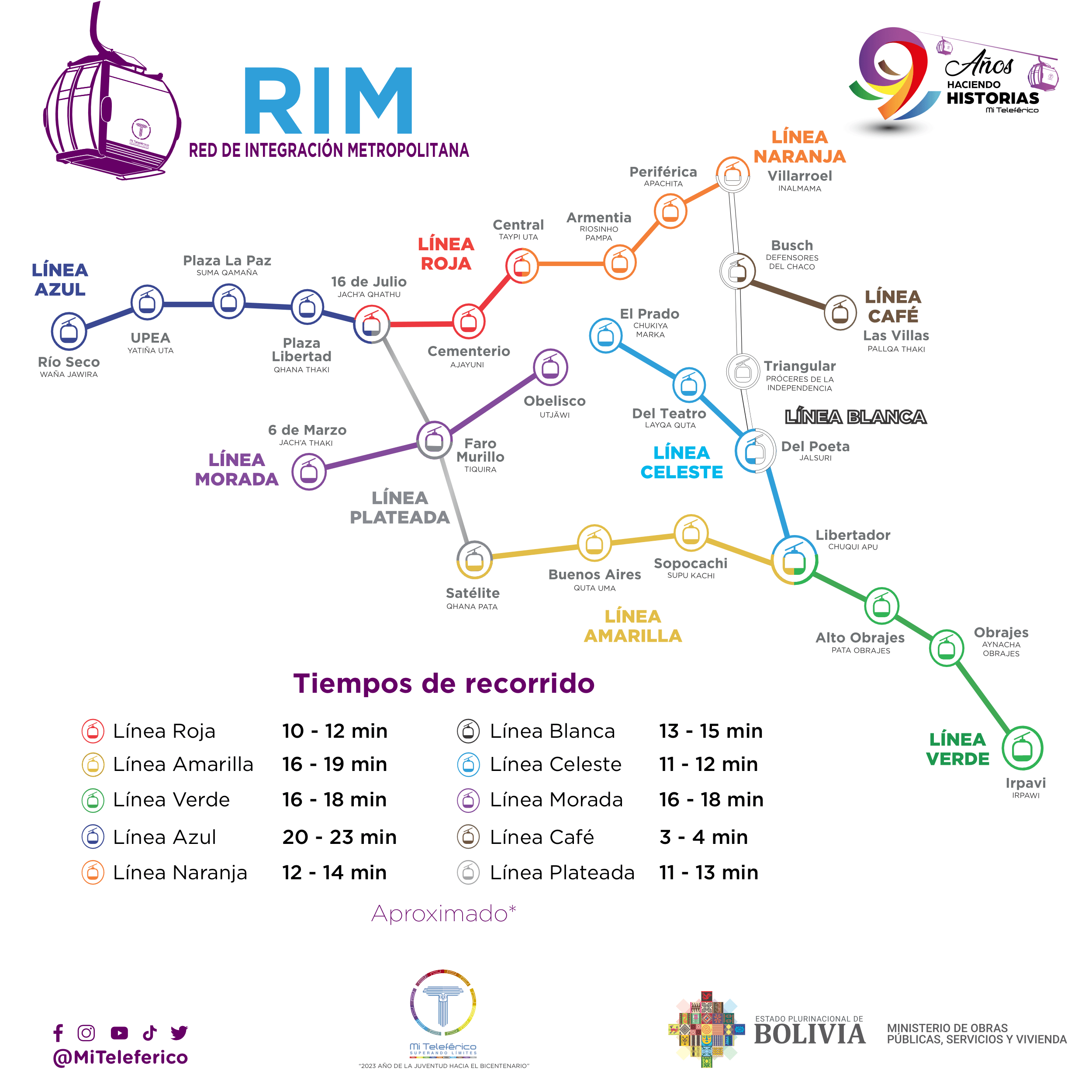
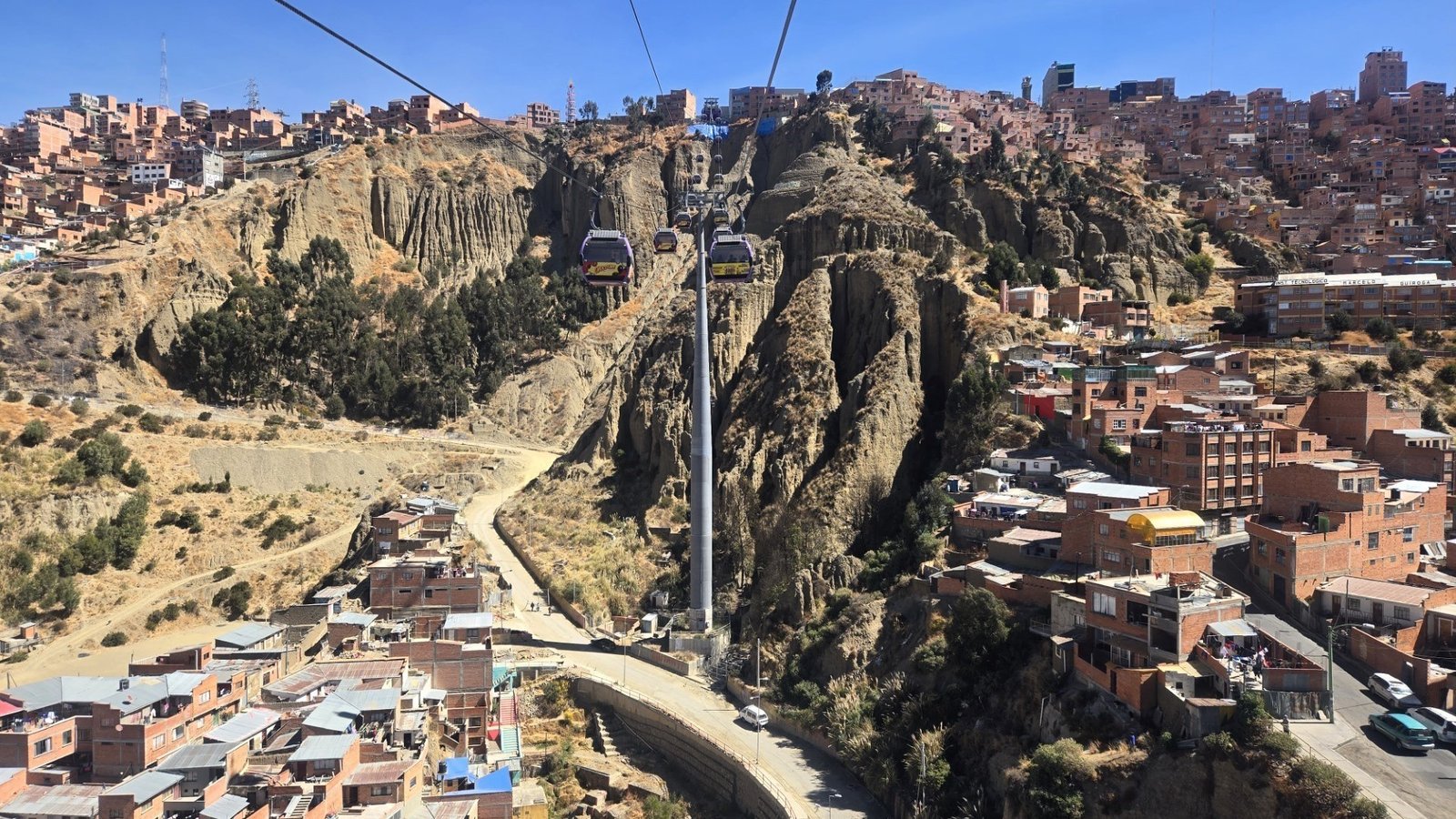
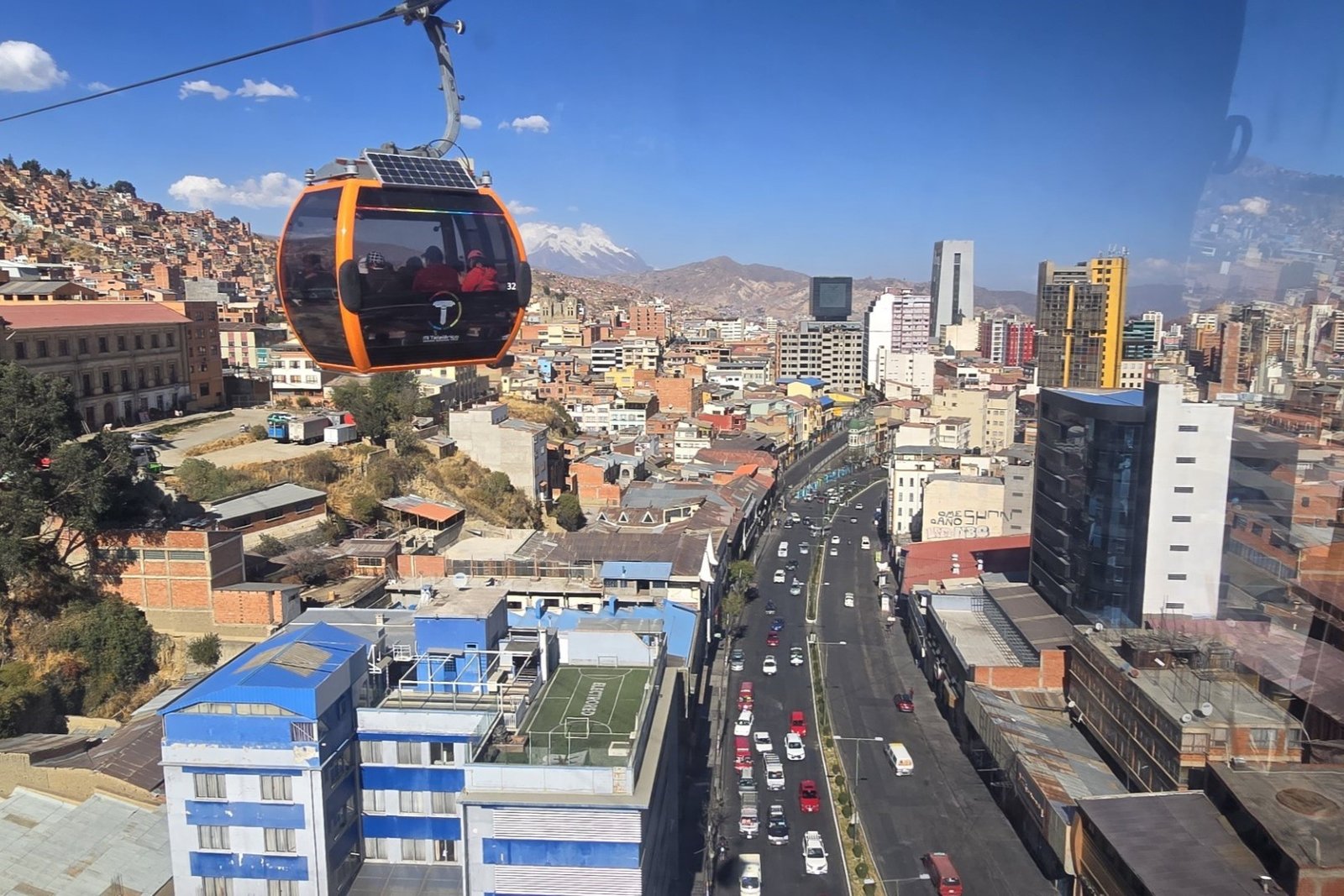
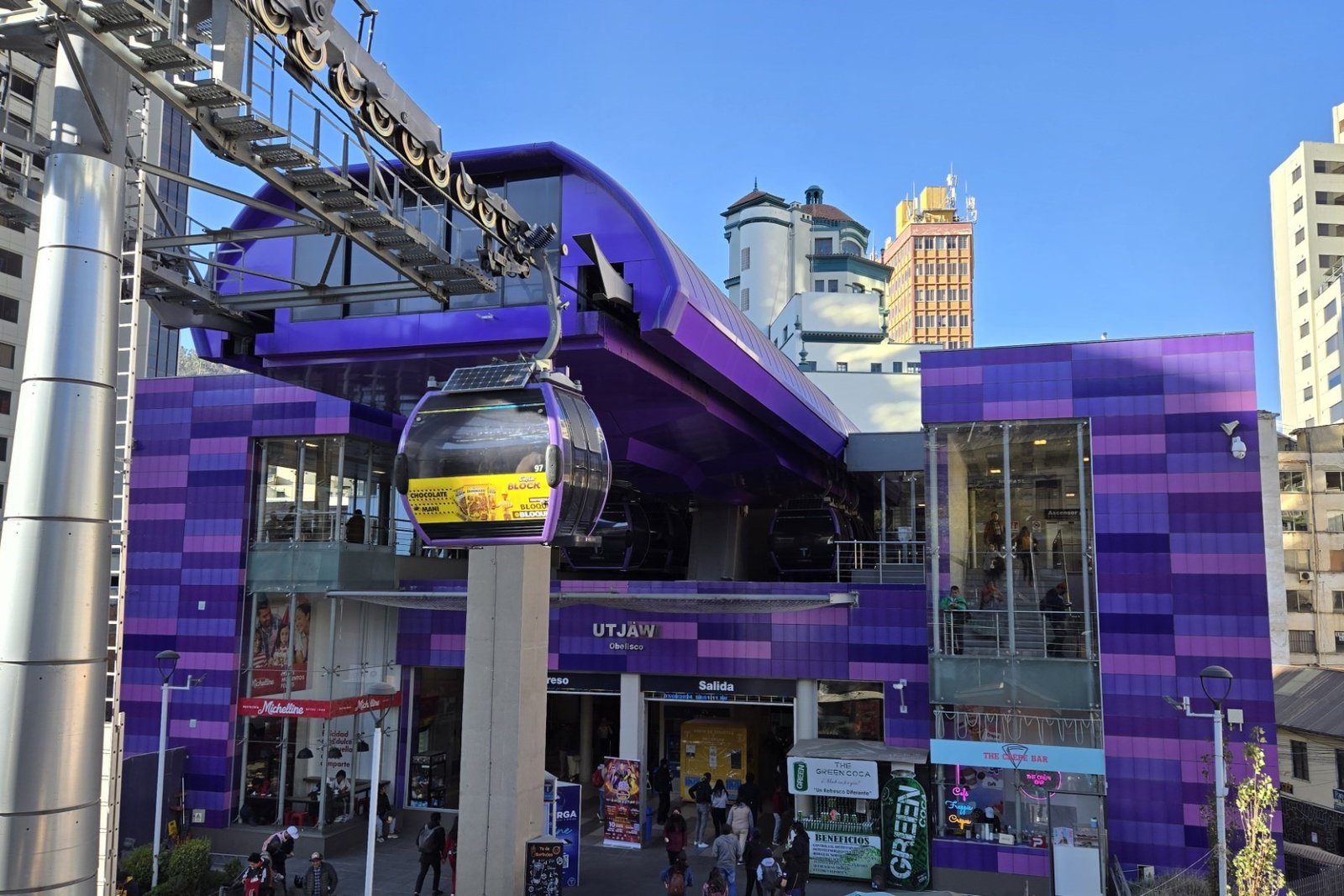
In 2014, La Paz inaugurated Mi Teleférico, the world’s longest and highest urban cable car network. The system revolutionized public transportation by connecting La Paz with its higher neighboring city of El Alto, reaching altitudes of up to 4,200 meters. Mi Teleférico features several lines, each with its own color: orange and red, blue and celeste, white and silver—to start with the hardest to differentiate—along with café, purple, green, and yellow. Each line is clearly identified within the urban fabric by equally bright, colour-coded stations.
La Paz’s cable car network not only connects previously inaccessible neighborhoods but also serves as an alternative to a conventional metro system, given the city’s uneven terrain. Each line provides unique views and experiences. The Red, Purple, and Yellow Lines cross the impressive divide between lower La Paz and higher El Alto, offering dramatic drops on the return trip. The White and Blue Lines travel above major boulevards in La Paz and El Alto respectively, providing comfortable views of city life, traffic, and the lively Sunday market in El Alto. The Celeste Line winds through a canyon toward the city center, while the Green Line extends from southern La Paz toward lower-altitude Irpavi.
Conclusion: An Eco-Friendly Urban Transport System
Medellín’s Metrocable and La Paz’s Mi Teleférico are prime examples of how innovative transportation systems can transform cities, improve mobility, and support economic growth. In addition to alleviating traffic congestion and reducing travel times, cable cars provide a safe, reliable, scenic, and relatively low-impact mode of transportation. Small businesses and markets have also flourished around the stations, creating jobs and supporting local economies.
Riding these megastructures, it is impressive to see how smoothly the system operates. The design allows passengers to board and disembark without stopping the system, though transitioning between the moving cabins and stationary platforms can be a bit disorienting. During rush hour, staff are stationed at each stop to assist passengers and ensure safety. I was still amazed to watch elderly Quechua women, heavy bags in hand, step effortlessly in and out of the moving cable car.