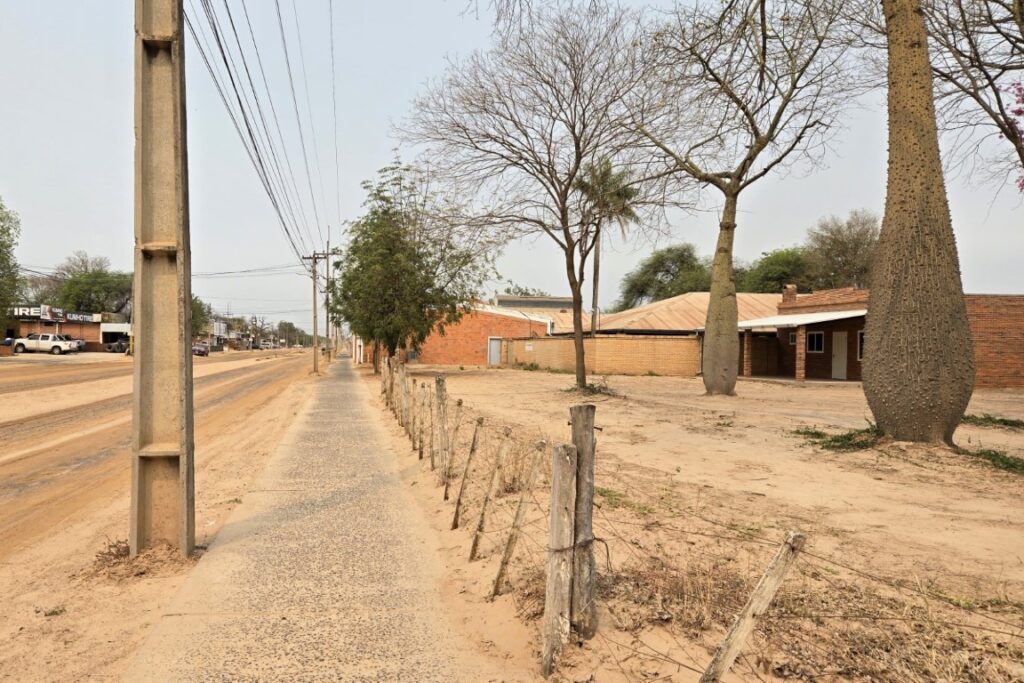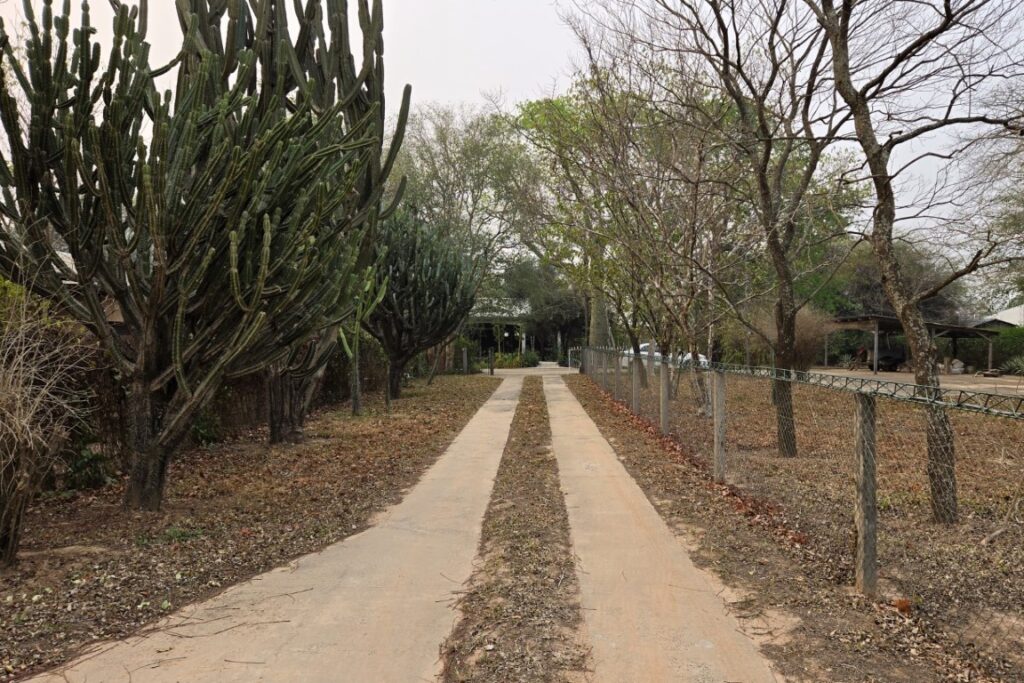
I crossed Paraguay overland, from the endless Chaco region it shares with Bolivia to the more polished eastern cities at the Triple Border with Argentina and Brazil. Here’s what I saw.
Filadelfia –> Asuncion –> Encarnacion <–> Jesuit mission –> Ciudad del Este –> Foz de Iguazu (Brazil)
Located at the center of the continent, Paraguay doesn’t quite fit into the usual South American travel loop. Going off the beaten path can be a strain on both your budget and your peace of mind. Flights in and out of the country are expensive, probably because it’s not exactly the hot spot on everyone’s list. And good luck finding reliable information about bus connections across its borders.
Still, with a little determination and disorganization, I managed to squeeze Paraguay into my return trip to Montreal. I booked my flight out of Brazil while in Bolivia, which gave me the excuse and motivation I needed to cross the Paraguay overland so I can enter Brazil via Ciudad del Este a week later.
I didn’t know much about Paraguay beforehand. The lack of practical travel information was one of the main things that had put me off visiting, probably along with many other travellers.
My knowledge of Paraguay was pretty much limited to two facts: it was one of the poorest countries in South America, and its climate was unbearably hot. I had also come across claims that there wasn’t “much to see.” But for me, that was more of a selling point than a drawback. I welcomed the promise of a break from the usual sightseeing grind.
What really tipped the scale, though, was learning about a German Mennonite settlement in the middle of nowhere called Filadelfia. If I was going to Paraguay at all, I had to go there.
During my escapade, I was caught off guard by a whirlwind of contrasts: from nauseating wealth to glaring poverty, sleek modernity to dirt-road comfort, oppressive heat to the downright bitter cold of late August.
Paraguay may be a difficult country to figure out, but visitors don’t feel out of place. Its welcoming atmosphere makes you feel at home surprisingly quickly. There is also a sense that the country belongs to everyone, thanks to a diverse population that sets it apart from its neighbors.
Locals generally seemed taller and broader than the ones I had encountered in Bolivia and Argentina. Most Paraguayans have a mixed Spanish and Guaraní ancestry. What particularly struck me was that, unlike in Bolivia or Peru, where indigenous languages are more regionally concentrated, Guaraní is spoken by the majority of Paraguayans. Even people with no indigenous ancestry use it in everyday life, making Paraguay a truly bilingual country. However, without the colourful traditional clothing commonly worn in Bolivia, Paraguay’s poverty was exposed in its most unfiltered form.
Geographically, Paraguay is dominated by the Gran Chaco region in the west, while its most modern cities are concentrated in the far east, near the borders with Brazil and Argentina.
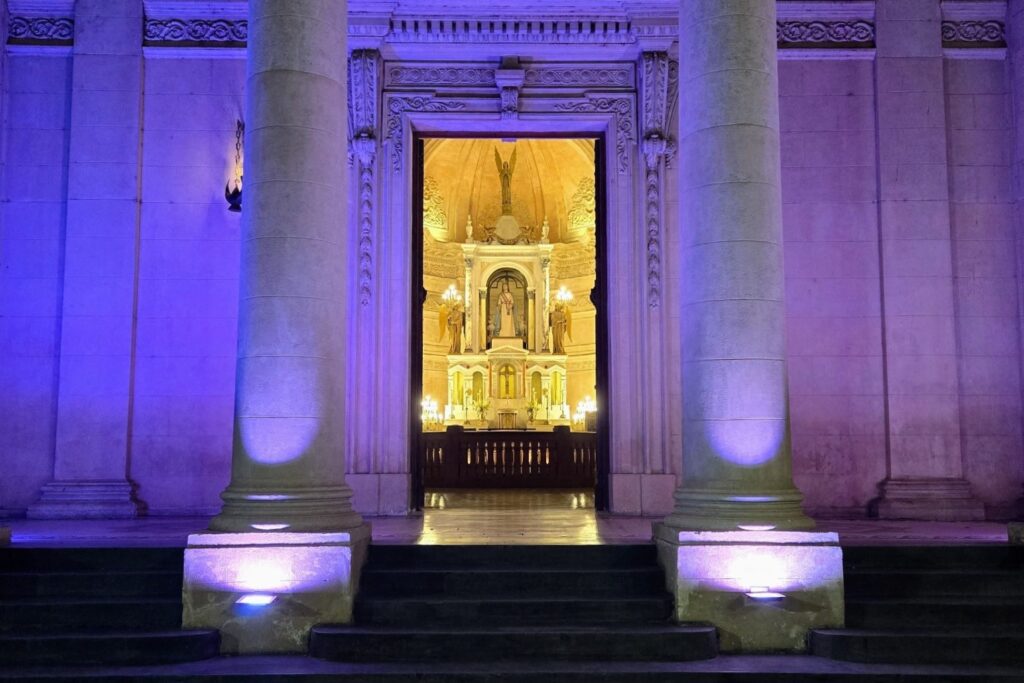
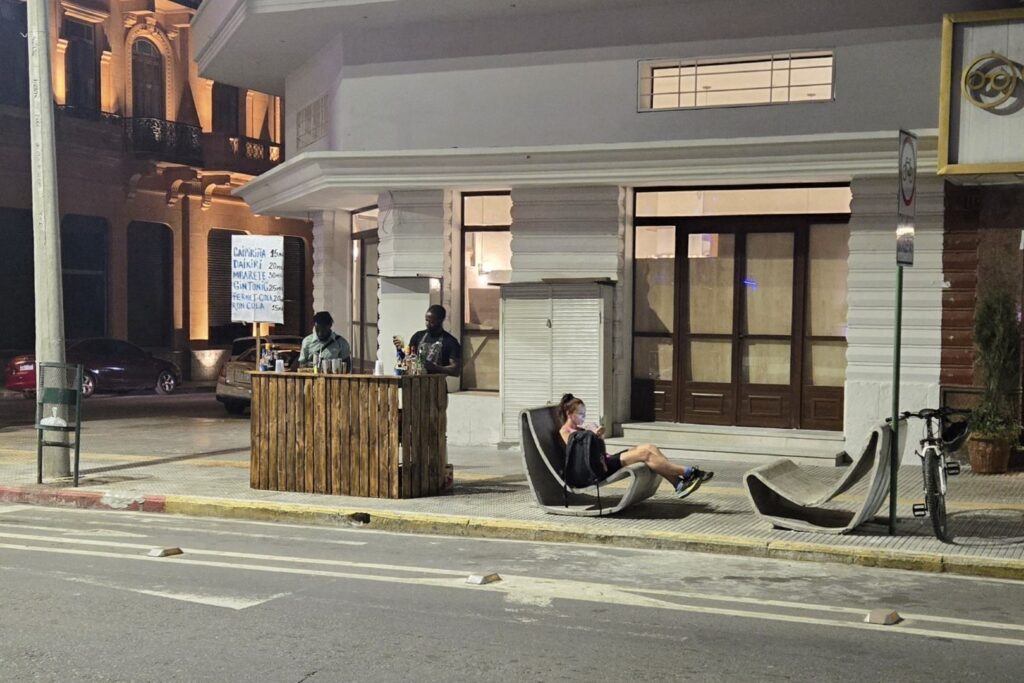
Asunción, the capital, has a laid-back charm, with decaying Beaux-Arts buildings, flashy modern developments, and shaded plazas. With a population of around 2.3 million, the city sprawls unevenly. Its streets mix exhaust fumes, traffic and patches of undeveloped areas across from upscale neighbourhoods and glitzy shopping malls. One thing I noticed compared with other South American cities was the absence of stray dogs roaming the streets.
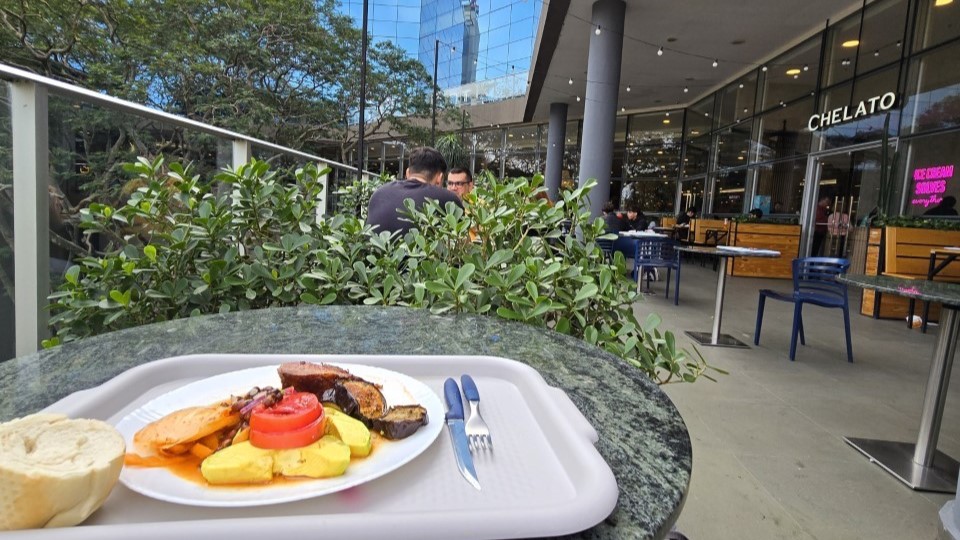
When it came to food, I found some of the best shopping mall food courts I had encountered in America. As a solo traveller, they are my favorite places to eat outside of local diners. Budget-wise, Paraguay turned out to be similar to Bolivia, although affordable options can be limited. On Sundays, the city center turns into a ghost town, leaving you with little to do besides heading to the mall.
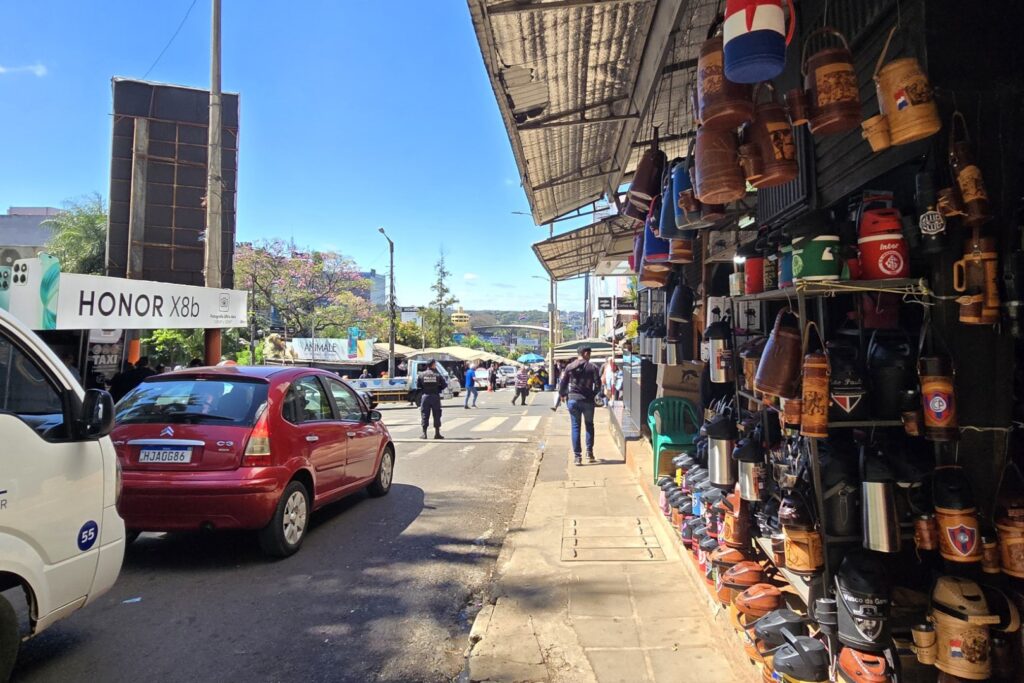
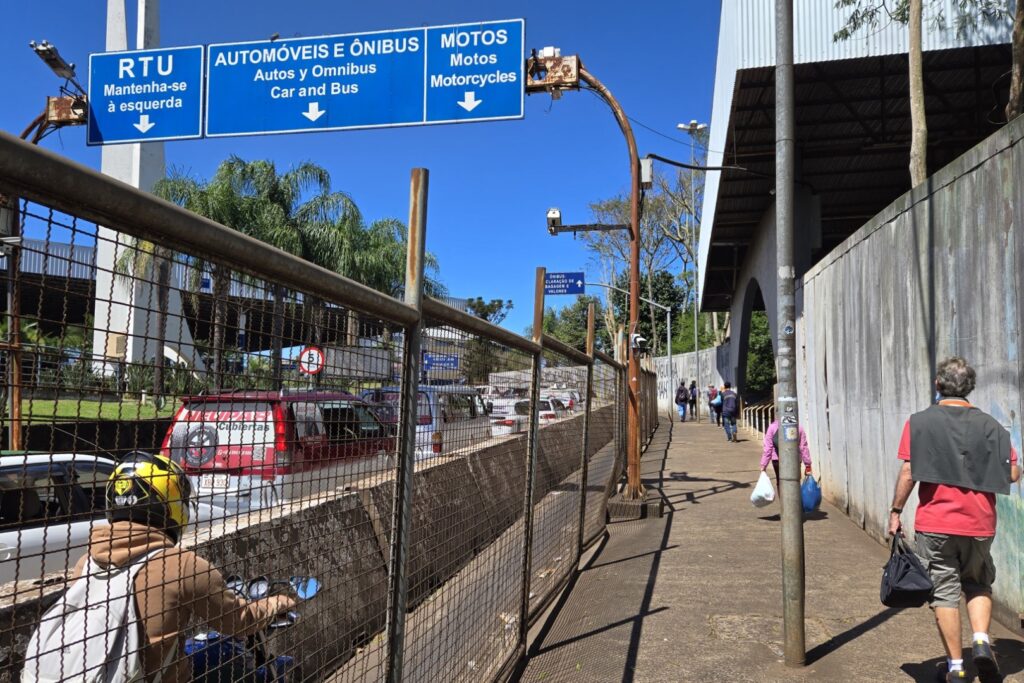
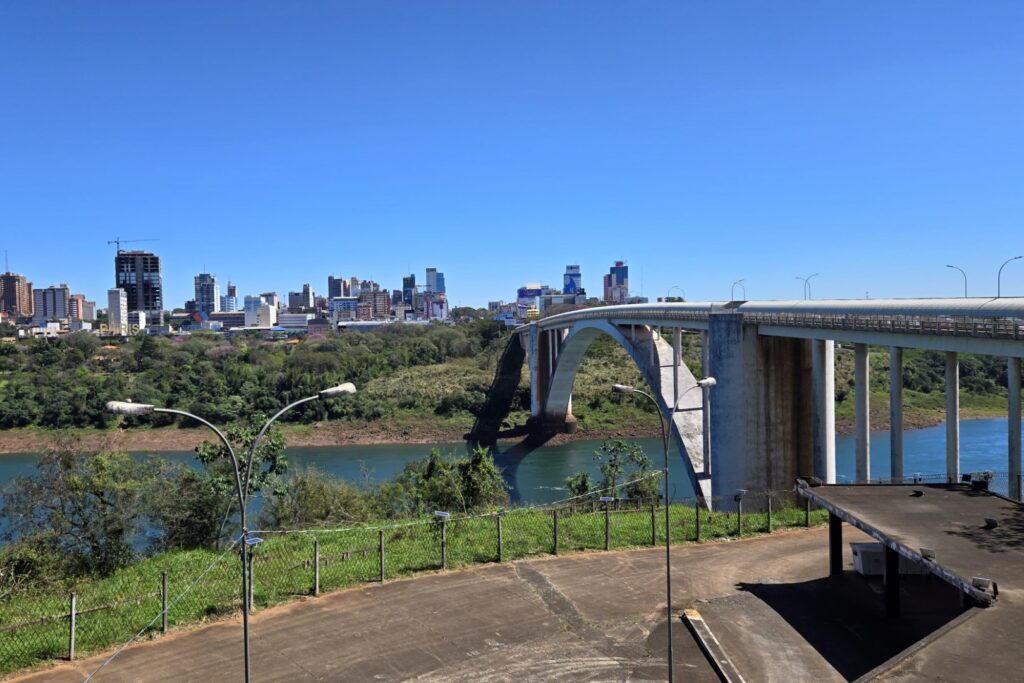
Ciudad del Este feels like an entirely different world. Connected to Foz do Iguaçu on the Brazilian side via a bridge over the Paraná River, the city radiates the chaotic energy of a capitalist jungle. Its atmosphere is less Las Vegas and more back-alley warehouse. After sundown, the city turns into a no-man’s-land, with deserted streets, poor lighting, and creeping shadows. It’s best to stay indoors.
I happened to arrive during a surreal storm. At 4 p.m., the sky turned pitch black, and rain poured down in torrents. By the following morning, as I prepared to cross the border, the weather had flipped: clear skies and a crisp, refreshing breeze.
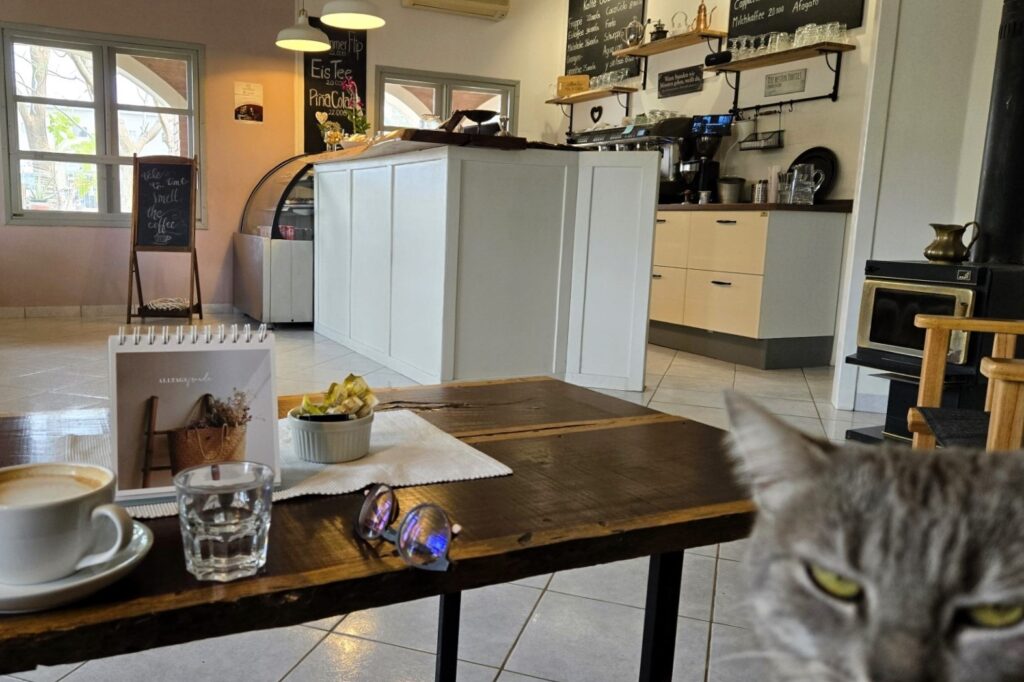
On my way to the shopping streets around the border customs, I stopped at a chic café for a perfect cortado and a questionable croissant. Across from me, a group of Chinese business people negotiated with Paraguayan merchants, while Chinese restaurant façades lined the other side of the street.
I was short on time, but I would have gladly spent more time wandering around this capitalist jungle to see what lay beneath the surface.